


If life has felt dull lately, trust me, we need to fix that immediately with sunshine and citrus! Sometimes you just crave that unbelievably bright, zesty dessert that tastes exactly like a perfect spring morning. Well, I finally cracked the code, and I’m thrilled to share my secret. Prepare yourself for the easiest, most wonderfully moist lemon pound cake recipe you will ever bake—I promise! Back when Chloe and I were just figuring out how to operate an oven (we usually set off the smoke alarm), making anything with fresh citrus felt terrifyingly advanced. But this beauty? It’s fool-proof. It’s from scratch, it’s unbelievably tender, and it single-handedly cured my fear of baking!
Why This Is the Best Lemon Pound Cake Ever
I know, I know—everyone claims their recipe is the ‘best.’ But hear me out, because this homemade lemon cake truly shines when it comes to being a delicious, zesty lemon dessert. It’s genuinely easy to make, even if you’re new to baking, and it delivers on those promises of moistness and unbelievable zing.
- It’s ridiculously easy to pull together – minimal fuss, maximum flavor!
- The texture is perfectly buttery and always disappears fast.
- It’s the definition of a bright citrus baking treat.
Achieving That Signature Moist Lemon Pound Cake Recipe Texture
If you hate dry cake, you’re in the right place! The secret sauce here is the sour cream or Greek yogurt. That little ingredient does heavy lifting to keep the crumb cake incredibly tender and moist lemon pound cake recipe texture, long after you pull it out of the oven.
The Secret to Zesty Lemon Dessert Flavor
Forget relying on vanilla or even lemon extract—that’s amateur hour! For this zesty lemon dessert, we rely entirely on fresh lemon zest and juice. You have to grate that bright yellow skin, trust me. That’s where all the punchy, bright citrus baking oil lives!
Gathering Ingredients for Your From Scratch Lemon Pound Cake
Okay, now for the fun part: pulling out all the goodies! Since we are making this entirely from scratch and aiming for that fluffy, buttery finish, there are a few non-negotiables. The most important thing before you even turn on the mixer is checking your temperatures. Cold ingredients are the enemy of a smooth batter, so plan ahead a little!
We need to break this down into two sets of ingredients: the actual cake, and the glorious, drippy glaze that makes this thing look like it came straight from a fancy bakery case.
Ingredients for the Buttery Lemon Cake
Make sure your butter and your eggs are sitting out on the counter for at least an hour beforehand. This helps them blend beautifully, which gives us that desired tender crumb cake texture down the line. Don’t substitute these ratios; this is where the structure of your classic pound cake recipes starts!
- 1 1/2 cups (that’s 3 sticks!) unsalted butter, and it absolutely needs to be softened for creaming.
- 3 cups granulated sugar. Yes, it’s a substantial amount, but it’s a pound cake!
- 4 large eggs—remember, room temperature!
- 1 tablespoon of lemon zest. You need the little bits of yellow skin for that strong flavor punch.
- 1/4 cup fresh lemon juice.
- 1 teaspoon vanilla extract.
- 1/2 cup whole milk.
- 2 1/2 cups all-purpose flour.
- 1 teaspoon baking powder.
- 1/2 teaspoon salt.
- 1/2 cup sour cream or plain Greek yogurt. This is our secret weapon for that moist texture! Make sure this is room temperature too!
Ingredients for the Tangy Lemon Icing
This glaze is so simple but adds that gorgeous finish and extra layer of zing. If you want that super thick, beautiful drip effect, pay attention to the consistency later!
- For the Glaze: 2 cups powdered sugar (sift this if you have time!), please.
- For the Glaze: 4 tablespoons fresh lemon juice.
- For the Glaze: 1 tablespoon milk or heavy cream, just to thin it perfectly.
Step-by-Step Instructions for Your Easy Lemon Pound Cake
Don’t let the ingredient list scare you! This is actually one of the simplest recipes we have on the blog because the mixer does most of the hard work. We’re aiming for that super tender crumb cake finish, so just follow along—you’ve totally got this.
First things first: Get the oven heating up to 325°F (160°C) and make sure your Bundt pan or loaf pan is thoroughly greased and floured. If you skip this prep step, you’ll be sad later!
Mixing the Batter for a Tender Crumb Cake
Grab your biggest bowl! You need to cream that softened butter and the sugar together until it’s genuinely light and fluffy. I mean it—set your electric mixer on medium-high and let it go for a solid 5 minutes. If it looks pale yellow, you’re winning at getting air into the batter, which makes for that fantastic texture later.

Next, add the eggs one by one. After that, gently mix in the zest, the 1/4 cup of juice, and the vanilla. Now, slow things down! Whisk your dry ingredients (flour, baking powder, salt) in a separate bowl. Then, alternate adding the dry mix and the sour cream/milk mixture, starting and ending with the flour. As soon as you see no more streaks of white flour, STOP. Overmixing is the fastest way to a tough cake, and we want soft and easy!
Baking and Cooling the Lemon Pound Cake
Pour all that gorgeous batter into your prepared pan and pop it into the oven at 325°F. This can take anywhere from 60 minutes up to 75 minutes if you’re using a standard loaf pan—check it around the 60-minute mark with a skewer. We want it to come out clean!

This next part is important for that easy release: Let the cake hang out in the hot pan on a wire rack for exactly 15 minutes. Don’t touch it before then! Once the time is up, gently invert it onto the rack to cool completely. Seriously, let it cool all the way before you even think about pouring that gorgeous glaze on top.
Tips for Success with Your Lemon Pound Cake with Glaze
Baking is chemistry, but it’s also a little bit of magic, right? Since we want this lemon pound cake with glaze to be flawless—moist, deeply flavorful, and perfectly structured—I want to share a couple of my go-to tricks. These tiny details are what take a good cake to being the best you’ve ever made. Don’t skip these, they make all the difference!
Ingredient Temperature Matters for Perfect Lemon Pound Cake
I mentioned this before, but you simply must respect the room temperature rule. If your butter is too cold, it won’t cream properly with the sugar, and you won’t incorporate the air needed to keep the cake from turning dense. It’s that simple. Also, cold eggs and cold sour cream hit that perfectly creamed butter, causing it to curdle a bit, which ruins the beautiful emulsion we worked so hard to create.
When everything is the same temperature, those ingredients fold into each other smoothly, creating that superior, velvety texture we want in a fantastic lemon pound cake. Trust me on the hour-long wait for everything to warm up!
Adjusting Bake Time for Different Pans
One of the most common questions I get is about pan size! If you don’t have a 10-inch Bundt pan, don’t panic! You can absolutely use a standard 9×5 inch loaf pan for this recipe, which makes it an even better lemon loaf cake for gifting. But you have to adjust your time.
Since loaf pans are deeper, the heat struggles a bit more to reach the very center of that buttery batter. For a loaf, check around the 50 to 60-minute mark instead of waiting the full 70 minutes for the Bundt pan. Always rely on that wooden skewer test, though! If it comes out clean, you’re done, regardless of what the clock says.
Variations on the Classic Pound Cake Recipes
This recipe for lemon pound cake is already pretty fantastic as-is, but I love the flexibility of a great base recipe! Once you master the creaming and alternating steps, you can start getting creative. It’s all about small tweaks that can give you totally different vibes.
For instance, if your goal is that super rich, almost decadent feel that some Southern style pound cake recipes have, you can swap out the whole milk for heavy cream in the batter. That just ups the butterfat content a tiny bit, making the cake unbelievably tender. I did this once when I ran out of milk, and wow—it was a textural dream!
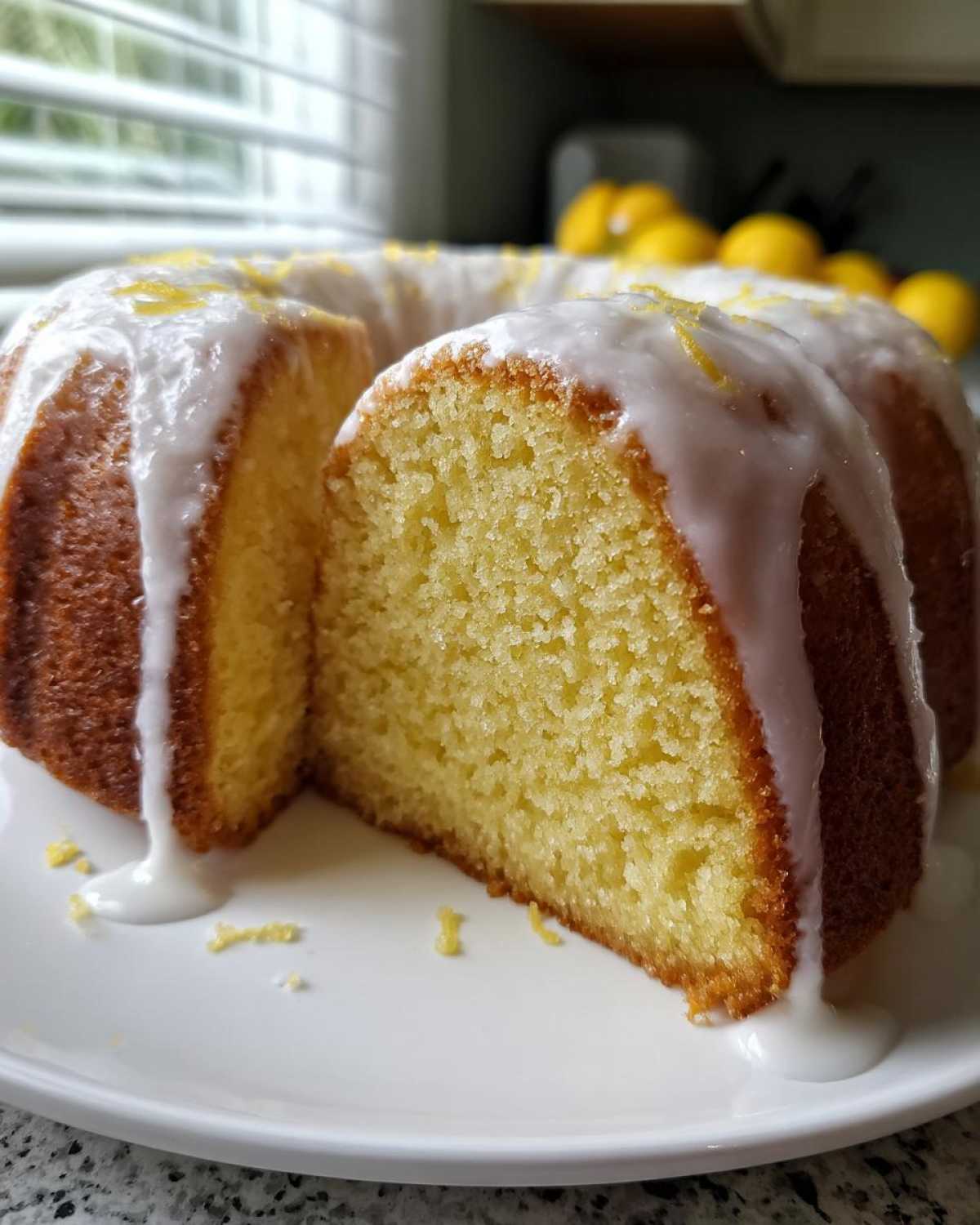
Another fun adaptation involves that sour cream we used. If you’re curious about the texture variations you see online, like the famous sour cream pound cake options, you can often achieve similar results just by playing with the dairy! We used sour cream here for moisture, but you could certainly swap it for full-fat plain Greek yogurt if you prefer; it has a slightly different tang that works wonderfully with the lemon.
If you ever want to explore recipes that rely heavily on those richer dairy components, check out Chloe’s recipe for a great sour cream beef noodle casserole—just kidding! That’s definitely not a cake, but Chloe is the queen of adding sour cream everywhere, so she has opinions on its binding power! Seriously though, feel free to try adding a touch of almond extract along with the vanilla next time if you want a little depth beyond the citrus.
Serving Suggestions for This Simple Lemon Dessert
Now that you have the most beautiful, zesty, and perfectly glazed lemon pound cake sitting on the rack, cooling down, the fun part begins: deciding how you’re going to eat it! Because this cake is so bright and buttery, it really works perfectly for almost any occasion. It’s not an overly heavy dessert, so it cleans the palate beautifully.
My favorite way to enjoy a slice? Absolutely plain, maybe slightly warm if you can manage to wait an hour after glazing! It’s fantastic with your morning coffee because that rich, buttery base stands up so well to the bitterness of espresso. It truly is the perfect simple lemon dessert for that 3 PM slump.

If you are planning an afternoon tea party or a weekend brunch spread, this cake is mandatory. It pairs beautifully with berries—a few fresh raspberries or sliced strawberries on the side look gorgeous next to that stark white glaze. If you want to get fancy (and who doesn’t?), a tiny dollop of freshly whipped cream doesn’t hurt either!
We once served leftovers of this cake alongside Chloe’s famous spicy pumpkin dip at a fall gathering, and honestly, the juxtaposition of tart lemon against savory spices was magical! It just goes to show how versatile a classic pound cake structure can be. If it’s meant for a party, check out our recipe for that creamy Puerto Rican holiday drink—it’s divine alongside something citrusy!
Ultimately, this cake doesn’t need much fuss. It’s rich enough to stand on its own. Slice it thin, pour a hot drink, and enjoy the amazing work you just did!
Storage and Reheating Instructions for Your Homemade Lemon Cake
The best part about a sturdy homemade lemon cake like this is that it actually tastes better the next day. That little bit of sitting time lets the lemon flavor really deepen and meld into that buttery crumb. Seriously, don’t throw away leftovers!
Since this is loaded with moisture from the sour cream and that amazing glaze, keeping it fresh is pretty straightforward. The goal is to keep air away from it, both to stop the cake from drying out and to protect that beautiful, sweet-tart icing from cracking or collecting dust.
You do *not* want to store this in the refrigerator if you can help it. Refrigeration changes the wonderful texture of pound cake—it makes it firm and a little crumbly. We want it tender and soft, remember?
Keeping Your Lemon Pound Cake Fresh at Room Temperature
For short-term storage (up to about 3 days), leave it right on the counter. The thick glaze offers a great protective seal, but you still need to cover it well. If you baked yours in a Bundt pan, the best way is to place a large, inverted bowl or cake dome over the whole thing. If you glazed a loaf cake, wrap it gently but tightly in plastic wrap, leaving the plastic pushed right up against the sides so it’s airtight.
If you baked this cake without the glaze (maybe you prefer just a light dusting of powdered sugar?), it will actually last a bit longer—maybe 4 or 5 days if sealed perfectly. The glaze is great, but it’s also a magnet for humidity!
Freezing the Best Lemon Cake Ever
If you’ve made a big batch (or just really love leftovers!), freezing is a fantastic option. However, you MUST freeze it *before* you put the glaze on. Freezing and thawing the glaze can make it weep, turning into a sticky, syrupy mess instead of a clean, firm topping.
Wrap the completely cooled, un-glazed cake tightly in two layers of plastic wrap, and then slide that whole package into a freezer-safe zip-top bag or aluminum foil. It keeps beautifully frozen for up to three months. When you’re ready to eat it, just let it thaw slowly on the counter overnight. Once it’s fully thawed, *then* you can whip up a fresh batch of that tangy lemon icing and pour it over your perfectly preserved cake. It’s like baking magic!
Do You Need to Reheat Your Lemon Loaf Cake?
Honestly, no! This recipe is designed to be eaten at room temperature. Reheating it can actually cause the edges to dry out before the center warms up, especially if you put it in the microwave. If it’s a chilly day and you like things warm, just let your slice sit out for about 20 minutes before serving.
If you absolutely, positively must have it warm—say, you microwaved a slice that had been sitting out for a week—go for very short bursts. Five to ten seconds on medium power—that’s it! You are trying to slightly warm the butter content, not cook it again. Usually, though, this lemon pound cake is just perfect when served cool or just slightly above room temperature.
Frequently Asked Questions About Lemon Pound Cake
I always get so many questions when I post pictures of this zesty treat! It makes sense—it’s easy to feel unsure when adapting a classic recipe. Here are a few burning questions I hear all the time about making the best lemon cake ever, especially concerning texture and pan choices.
Can I use a loaf pan instead of a Bundt pan for this lemon pound cake?
Absolutely, yes! This recipe works beautifully as a lemon loaf cake, especially if you’re making it for gifts or just want smaller servings. As I mentioned in the tips section, the main thing to remember when swapping your pan is the baking time. A loaf pan is usually deeper than a standard Bundt pan, so the heat takes longer to penetrate the center.
For a loaf, you’ll want to start checking for doneness around the 50-minute mark, not the 60-minute mark we use for the Bundt. Keep checking every 5 minutes after that with a thin wooden skewer until it comes out clean. It’s the best way to ensure you get that wonderfully moist lemon pound cake recipe result, no matter the shape!
How do I get that bakery style lemon cake look?
Oh, you’re talking about that gorgeous, thick, slightly opaque drizzle? That’s all down to how you apply that tangy lemon icing! The key is making sure the cake is completely cool before you even think about pouring. If the cake is warm, the glaze will just melt right into the surface, leaving it looking wet instead of set.
Once the cake is cool, you want the glaze to be thick enough to hold its shape briefly when it hits the surface—this is your bakery style lemon cake secret. If your glaze seems runny, whisk in a half teaspoon more of powdered sugar until it flows slowly, like thick honey. Drizzle it back and forth over the top. If you let it drip naturally down the sides, you get that perfect, slightly messy but utterly delicious look. We even have a great guide on preventing cracks in baked goods when we talk about cheesecake, which relies on similar texture science!
I saw other recipes mention Italian Lemon Cake. Is this similar?
That’s a great observation! You’ve probably seen the Italian lemon cake recipe pop up a lot. Those cakes sometimes use ricotta cheese instead of sour cream, which gives them a slightly different, perhaps heavier, texture compared to ours. Our recipe is definitely based more on the rich, buttery feel of a classic Southern style pound cake, just packed with lemon.
While both are amazing citrus showcases, if you’re looking for that super tender, soft cake structure, stick with this recipe! Our use of the specific fat-to-flour ratio guarantees that classic, melt-in-your-mouth experience that sets this apart from other classic pound cake recipes. Honestly, trying to achieve the perfect lemon bundt cake is all about nailing that balance!
Can I make this cake a day ahead of time?
Yes, please do! If you can manage to wait, this cake tastes even better the next day. The flavors really marry up overnight. If you’re making it for an event, bake the cake completely (including the glaze) the night before. Store it covered tightly at room temperature.
It holds up fantastically well, and you skip all the morning-of stress! It’s an ideal afternoon tea cake because you can prepare it entirely on your schedule.
Share Your Zesty Lemon Dessert Creations
Now that you have mastered a truly fantastic, moist lemon pound cake, I’m dying to know what you think! Honestly, seeing your bakes pop up online is the best part of running this whole operation. Chloe and I thrive on hearing that you conquered a recipe that once seemed tricky.
Did you manage that beautiful, thick glaze without it running all over the cooling rack? Did the fresh zest really deliver that wake-up-call flavor you needed? Don’t be shy!
Please, leave a comment below telling us how it went. A quick star rating helps other bakers feel confident trying this recipe for the first time. And if you snap a picture of your shiny, gorgeous, zesty lemon dessert, tag us on social media! We love seeing our recipes out in the world—it makes all the messy kitchen adventures totally worth it. Go on, show off your baking skills!
PrintClassic Moist Lemon Pound Cake with Tangy Glaze

Bake this easy, from-scratch lemon pound cake for a tender crumb and bright, zesty flavor. The sweet and tangy lemon glaze makes this the best lemon cake ever.
- Prep Time: 20 min
- Cook Time: 70 min
- Total Time: 90 min
- Yield: 12 servings
- Category: Dessert
- Method: Baking
- Cuisine: American
- Diet: Vegetarian
Ingredients
- 1 1/2 cups (3 sticks) unsalted butter, softened
- 3 cups granulated sugar
- 4 large eggs, room temperature
- 1 tablespoon lemon zest (from about 2 lemons)
- 1/4 cup fresh lemon juice
- 1 teaspoon vanilla extract
- 1/2 cup whole milk
- 2 1/2 cups all-purpose flour
- 1 teaspoon baking powder
- 1/2 teaspoon salt
- 1/2 cup sour cream or plain Greek yogurt, room temperature
- For the Glaze: 2 cups powdered sugar
- For the Glaze: 4 tablespoons fresh lemon juice
- For the Glaze: 1 tablespoon milk or heavy cream
Instructions
- Preheat your oven to 325°F (160°C). Grease and flour a 10-inch Bundt pan or a standard loaf pan.
- In a large bowl, cream together the softened butter and granulated sugar with an electric mixer until the mixture is light and fluffy, about 5 minutes.
- Beat in the eggs one at a time, mixing well after each addition. Scrape down the sides of the bowl as needed.
- Mix in the lemon zest, 1/4 cup lemon juice, and vanilla extract until just combined.
- In a separate medium bowl, whisk together the flour, baking powder, and salt.
- In a small bowl, whisk together the sour cream and 1/2 cup milk.
- Gradually add the dry ingredients to the wet ingredients, alternating with the sour cream mixture, beginning and ending with the flour mixture. Mix on low speed until just combined. Do not overmix the batter.
- Pour the batter evenly into your prepared pan.
- Bake for 60 to 75 minutes, or until a wooden skewer inserted into the center comes out clean. Baking time varies based on your pan type.
- Let the cake cool in the pan on a wire rack for 15 minutes.
- Invert the cake onto the wire rack and let it cool completely before glazing.
- Prepare the glaze: Whisk together the powdered sugar, 4 tablespoons of lemon juice, and 1 tablespoon of milk until smooth. If the glaze is too thick, add a few more drops of lemon juice or milk. If it is too thin, add more powdered sugar.
- Drizzle the tangy lemon icing generously over the cooled cake. Allow the glaze to set before slicing and serving your homemade lemon cake.
Notes
- For an extra zesty flavor, use room temperature ingredients. This helps the batter emulsify better, leading to a more tender crumb cake.
- If you prefer a loaf cake, use a 9×5 inch loaf pan and reduce the baking time to about 50-60 minutes.
- You can substitute the sour cream with plain Greek yogurt for a similar moist texture.
Nutrition
- Serving Size: 1 slice
- Calories: 450
- Sugar: 45g
- Sodium: 250mg
- Fat: 25g
- Saturated Fat: 15g
- Unsaturated Fat: 10g
- Trans Fat: 0.5g
- Carbohydrates: 55g
- Fiber: 1g
- Protein: 5g
- Cholesterol: 90mg