

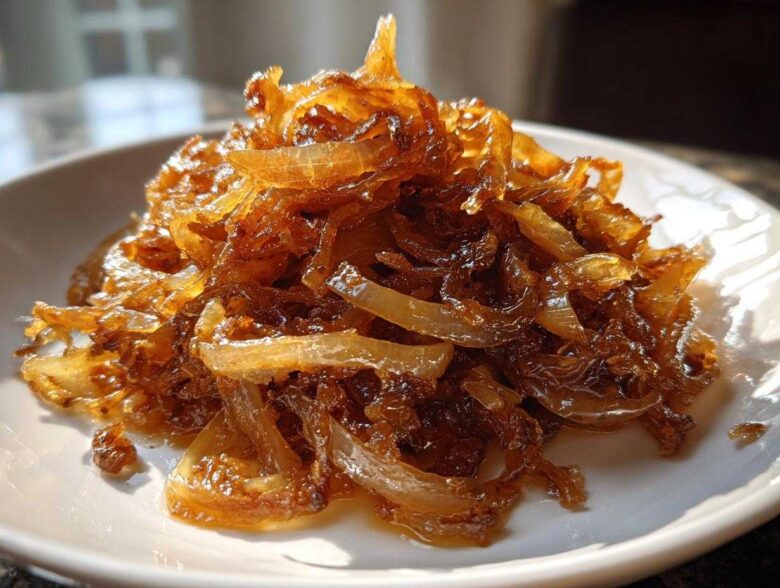
Oh, you have to understand something right from the start: there is nearly nothing more magical in a savory dish than a heaping pile of deeply sweet, jammy, perfectly caramelized onions. It takes about three dollars worth of yellow onions and a little bit of time, and suddenly, you have this rich, complex topping that tastes like pure comfort. Friends always ask, “Why are yours so much better?” and my secret is simple: patience! This guide is going to show you my definitive technique for achieving the absolute best caramelized onions, giving you that incredible flavor and unbelievable texture every single time. Trust me, mastering this foundational skill changes everything in the kitchen. We talk a lot about what makes our recipes special over here on our journey, and this onion technique is definitely one of them.
The Ultimate Guide: How to Caramelize Onions Perfectly
If you want truly spectacular caramelized onions, you have to respect the process. Don’t rush this! We are taking those sharp, tear-inducing rings and transforming them into something deeply sweet and almost jammy. That amazing flavor comes from low and slow cooking—it’s non-negotiable for the *best* result. My biggest expert tip right up front is this: cut your onions uniformly. If you have big thick slices mixed with little tiny ones off the end, they won’t cook evenly, and you’ll end up with some burnt bits and some raw bits. You want them all to soften and brown together beautifully!
Essential Ingredients for Sweet Onions Cooking Technique
It’s simple, which is why I love it! You don’t need much to get that deep sweetness going:
- 3 large yellow onions, sliced as thinly and uniformly as you can manage.
- 2 tablespoons of unsalted butter—don’t skimp here, flavor is key!
- 1 tablespoon of olive oil (this just helps the butter not burn so fast).
- 1 teaspoon of salt—this helps pull the moisture out early on.
- A tiny pinch of sugar, maybe 1/2 teaspoon, if you’re in a hurry (shh, don’t tell the purists!).
Step-by-Step Instructions for Slow Cooked Onions
Okay, grab your biggest, heaviest pan. Seriously, a thin one will cause scorching! You want medium-low heat. We’re aiming for gentle cooking here:
- Melt your butter and oil together until silky, then toss in those perfectly sliced onions and the salt. Stir everything until those onions look coated.
- For the first 15 minutes, just let them cook, stirring every few minutes. They’ll shrink down a lot and get watery. That’s totally normal! We call that sweating them out.
- Now, drop that heat down to low. Keep them uncovered and stir only every 5 to 7 minutes so they don’t stick too violently. If you’re patient, this is where the magic starts happening, and they transition into lovely golden brown onions.
- If you see dark brown bits sticking hard to the bottom of the pan, grab a splash of water or broth and scrape them up—that fond is pure flavor reinforcement!
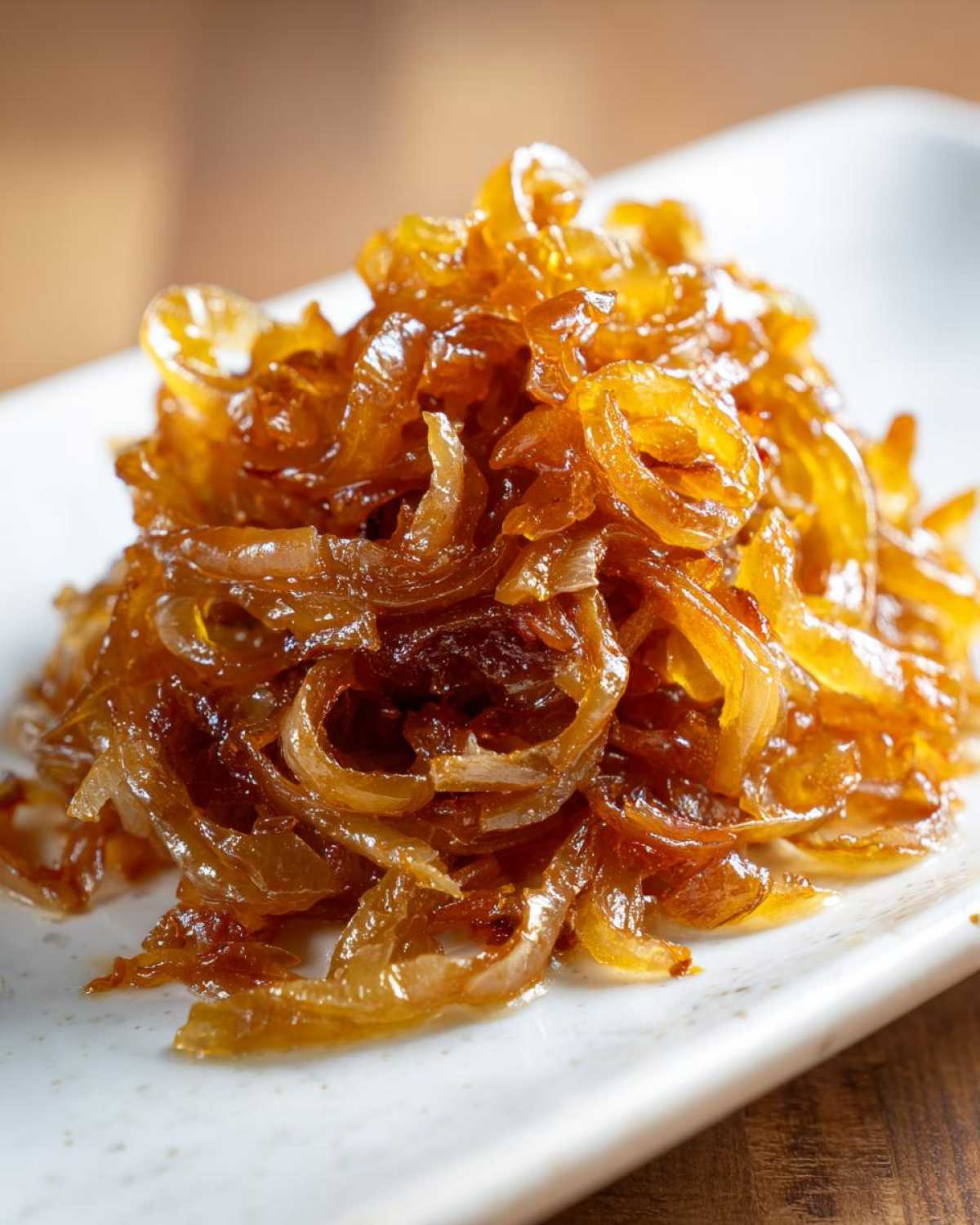
- Keep going until they look deep brown and soft, usually about 45 to 60 minutes total time. They should be wonderfully jammy when done.
Kitchen Tips and Tricks for Fast Caramelized Onions
Listen, sometimes life demands speed. If you need an amazing caramelized onion flavor but only have 25 minutes, you can use the ‘Fast Track’ method. You’ll cook them over medium heat instead of low, but you have to stay glued to the stove. This means stirring almost constantly—seriously, every two minutes—and deglazing more often so they don’t burn instead of genuinely caramelize. You get a really good result, but honestly, that hour-long slow cook gives you a richer, deeper, more complex final product, but this quick method is excellent for emergency toppings!
Why These are the Best Caramelized Onions: Flavor Science
People often ask how you go from a sharp, watery onion to something so deeply sweet and sticky. It’s all down to food science, my friends! We are encouraging the Maillard reaction and achieving true caramelization by cooking things slowly. When you cook onions low and slow, you give the natural sugars the time they need to break down and then re-form into those incredible complex flavors. That’s what makes these the best caramelized onions—you get layers of flavor, not just sweetness.
If you rush it by cranking the heat, you end up sautéing or, worse, burning them rather than coaxing that deep brown hue. It’s about patience winning out over speed every time when it comes to flavor!
Ingredient Spotlight: Choosing Your Sweet Onions
I noticed that the onion type you choose really changes the end game for your sweet onions cooking technique. If you can find them, Vidalia or Walla Walla onions are fantastic because they have naturally higher sugar content already built in. They basically skip half the effort! Yellow onions work perfectly well, like in the recipe above, but if you use a super sharp, potent storage onion, you might taste a touch more bite even after an hour of cooking.
Recipe Applications: Using Your Caramelized Onions
Okay, now that you’ve mastered the technique and you have this huge jar of gorgeous, jammy goodness, the fun really begins! The best part about learning how to make perfect caramelized onions is that they instantly elevate just about anything you put them on. They are the ultimate comfort food topping, seriously. Whether you’re making a fancy spread or just adding some deep savory-sweet notes to dinner, these are versatile. And since the base recipe only uses veggies and fat, they are naturally vegetarian, and totally vegan too if you skip any dairy in the final application!
You can use them anywhere you want a deeply savory background note. I love turning them into something creamy, but they are totally fine just piled high on a steak as simple onion side dishes, too. You need to know how to deploy these flavor bombs!
Making Creamy Caramelized Onion Pasta
You absolutely must try using these onions in a creamy pasta sauce. I’m not giving you the whole recipe here, but think about it: you take your browned onions, stir in a little garlic, maybe some white wine to deglaze, and then fold that whole mixture into hot pasta tossed with Parmesan cheese and cream. It turns into this decadent, rich French onion pasta situation that feels way fancier than the effort required. The intense sweetness of the onions cuts right through the richness of the dairy!
Easy Caramelized Onions for Dips and Appetizers
This is my go-to for last-minute gatherings because everyone loses their minds over it. You take your finished onions and just mix them right into softened cream cheese, a little sour cream, maybe some herbs, and boom—you have a phenomenal caramelized onion dip. It’s an incredible appetizer with caramelized onions that tastes like it simmered all day, even though you just stirred it together. It tastes restaurant-quality, I promise! When you’re ready to serve, I just add a few more of the onions right on top as a bonus topping. If you need to reach me with questions about adapting the recipe, my contact info awaits here.
Storage and Reheating Instructions for Caramelized Onions
So, what do you do when you’ve made a giant beautiful batch of these slow cooked onions and you can’t eat them all right this second? Don’t panic! The great news is they actually taste even better the next day because the flavors have time to knit together. You can keep them tucked away in the fridge for up to a week. Just make absolutely sure you put them in a really airtight container. When they’re in fat, they last longer, so don’t drain off all that good butter and oil mixture; just seal it up tight!
When it’s time to reheat them, especially if you’re using them for a topping or melting them into something else, low heat is your friend again. Pop them back in a small pan over low to medium-low heat and just stir them gently for a few minutes until they warm through and get loose again. You don’t want to fry them or cook them further, just gently warm them up.
I’ve never frozen them successfully—they tend to get a little watery when they thaw out because of the high moisture content. For that reason, I always recommend making just what you think you’ll use within the week and sealing the rest according to our privacy agreement standards for home storage.
If you decide to use them as a cold topping for fancy crackers or a sandwich, you can absolutely use them straight from the fridge. They firm up nicely when cold, almost like a savory jam!
Troubleshooting Common Issues When Making Caramelized Onions
Even with my best guidance, sometimes things go sideways! Cooking is chemistry, and we all have those days where the temperature gods are not on our side. Don’t let a small hiccup ruin the batch of caramelized onions you poured so much love into. We’ve all been there, staring into the pan wondering where we went wrong. Here are the main problems I see people run into when trying to achieve that perfect sweetness, along with how to troubleshoot them right then and there.
If you see things going wrong, check out the disclaimer information here, but often, the fix is simpler than you think and involves dialing back your heat or grabbing some broth!
My Onions Are Burning Instead of Browning!
This is the number one disaster! If you see black, crispy bits forming rapidly on the bottom of your pan, you’ve officially moved past caramelization and into burning. This means your heat is too high, plain and simple. Stop what you’re doing immediately! Take the pan completely off the burner for a minute to let it cool down slightly, then reduce the heat. You need to go low!
If they are already starting to burn, try scraping up those dark bits immediately using a little bit of water or broth (like we talked about for deglazing), but work quickly so the burnt material doesn’t stain all your remaining onions bitter. A little bit of dark salvageable fond is great, but actual charcoal is not!
Why Are My Onions Still Watery and White?
If you’re 30 minutes in, and your pan is just swimming in liquid but the onions haven’t changed color at all, they are stewing, not caramelizing. This happens because onions release a TON of water when they first start cooking, and if you cover the pan or use low heat too soon, that steam gets trapped and just boils them soft.
The fix? Turn the heat up to medium-high! Leave the pan uncovered for 5 to 10 minutes and stir constantly. You need to cook off that initial excess moisture so the sugars are exposed to the direct pan heat. Once most of that liquid is gone and the onions look slick but not soupy, drop the heat back down to low to begin the actual, gentle *sweet onions cooking technique*.
They Are Golden, But Not Deeply Sweet Yet
This is less of a problem and more of a patience reminder! If your caramelized onions are a light blonde color but they don’t taste intensely sweet yet, you just need more time. Don’t panic and add sugar now—you risk burning the outside before transforming the inside. Keep cooking them on low heat, stirring every 5 minutes. That deep, dark amber color is what holds that incredible, rich flavor. If you’re at 40 minutes and they are golden, give them another 15 or 20 minutes. You’ll be rewarded with truly jammy onions!
Frequently Asked Questions About Caramelized Onions
Can I use different fats besides butter and oil together?
That mixture of butter and olive oil is my favorite combination because you get the flavor bonus from the butter without it scorching as quickly as it would alone. But if you need to adapt things, absolutely! You can use just olive oil, which will give you a slightly nuttier flavor profile. If you are aiming for something very rich, you could use ghee or even bacon fat for a savory kick which is wonderful for certain onion side dishes. Just remember, straight oil needs a slightly lower heat than when fat is mixed with butter.
Can I use white onions or do I have to buy sweet onions?
You don’t *have* to use the specialty sweet onions like Vidalia or Walla Walla, although they certainly make the process easier since they have a higher sugar concentration to begin with. White onions work well, too! They might just take five or ten minutes longer to develop that super deep flavor because they are naturally sharper. If you are going for keto caramelized onions, you’ll want a lower-sugar onion like white or yellow, because you’ll be relying on the slow cooking longer instead of natural sugars.
How can I make a keto caramelized onions version?
That’s a great question for those watching carbs! To make this recipe suitable for your diet, you skip the optional sugar entirely, of course. More importantly, when you go to use them, you need to be careful about what you mix them into later. They are perfect as simple onion side dishes right out of the pan since the fat content is fine, but if you mix them into a dip or pasta base, ensure whatever you add is low-carb. The onions themselves, when cooked in just fat and salt, are still keto-friendly!
What’s the difference between slow-cooked onions and sautéed onions?
Oh, there is a world of difference! Sautéing is fast—it’s high heat, you stir constantly, and you get onions that are soft and maybe slightly golden around the edges. You’re really just cooking them through. When we talk about slow cooked onions or achieving jammy onions, we are talking about an evaporation process where the high heat drives out the moisture, and then the remaining sugars on the onion walls begin to melt and reform over low heat. Sautéing takes maybe 10 minutes; true caramelization takes an hour. Check out the instructions here on timing your process!
Nutritional Data for Your Caramelized Onions
If you’re tracking macros or watching sodium intake, it’s smart to know what’s in that delicious pile of onion goodness. Since the recipe is naturally simple, the nutrition is mostly derived from the onions themselves and the fat we cook them in. Remember that fat content can change depending on how much oil you use versus butter, but these are good estimates based on the standard recipe provided.
Here are the estimates per 1/4 cup serving:
- Serving Size: 1/4 cup
- Calories: 75
- Sugar: 7 grams (this is natural sugar released during cooking!)
- Sodium: 280 mg
- Fat: 4 grams (mostly unsaturated if you use enough olive oil)
- Carbohydrates: 9 grams
- Protein: 1 gram
For the best serving suggestions, always check back on how we use these as comfort food toppings or in amazing recipes. Please remember these are estimates, and your batch nutrition will vary slightly based on your pan size and how much fat you include in your final scoop!
Share Your Perfect Caramelized Onions
I truly hope this comprehensive guide has demystified the process for you. Learning how to get those deeply sweet, golden brown onions is a game-changer, and now you have the tools to make them perfectly every time—whether you go fast track or slow cooker style for your next batch of caramelized onions!
I need to hear about it! When you make yours, please come back and leave a rating below. Let me know what you used them for. Are you making that decadent pasta? Or maybe just planning to devour the whole batch with a fork? Seriously, tell me everything in the comments. Your feedback helps us all keep improving our approach to delicious cooking. Don’t forget to share this guide with anyone else who needs to master this essential skill. You can always register or connect with us via our compliance channel if you have any related questions!
Nutritional Data for Your Caramelized Onions
If you’re tracking macros or watching sodium intake, it’s smart to know what’s in that delicious pile of onion goodness. Since the recipe is naturally simple, the nutrition is mostly derived from the onions themselves and the fat we cook them in. Remember that fat content can change depending on how much oil you use versus butter, but these are good estimates based on the standard recipe provided. Check out our cookie policy here while you’re mapping out your macros!
Here are the estimates per 1/4 cup serving:
- Serving Size: 1/4 cup
- Calories: 75
- Sugar: 7 grams (this is natural sugar released during cooking!)
- Sodium: 280 mg
- Fat: 4 grams (mostly unsaturated if you use enough olive oil)
- Saturated Fat: 2 grams
- Unsaturated Fat: 2 grams
- Trans Fat: 0 grams
- Carbohydrates: 9 grams
- Fiber: 1 gram
- Protein: 1 gram
- Cholesterol: 5 mg
For the best serving suggestions, always check back on how we use these as comfort food toppings or in amazing recipes. Please remember these are estimates, and your batch nutrition will vary slightly based on your pan size and how much fat you include in your final scoop! That’s why I always say taste and adjust before logging it!
Share Your Perfect Caramelized Onions
I truly hope this comprehensive guide has demystified the process for you. Learning how to get those deeply sweet, golden brown onions is a game-changer, and now you have the tools to make them perfectly every time—whether you go fast track or slow cooker style for your next batch of caramelized onions!
I need to hear about it! When you make yours, please come back and leave a rating below. Seriously, five stars is our goal, wink wink! I want to know exactly what you used them for. Are you making that decadent pasta we talked about? Or maybe just planning to devour the whole batch with a fork straight from the pan? Don’t be shy—tell me everything in the comments. Your feedback helps us all keep improving our approach to delicious cooking.
And if you found this technique enlightening and finally cracked the code on making amazing caramelized onions, please share this whole guide with your friends! Send it to anyone who needs to master this essential skill. If you have any deeper privacy concerns or need to connect with us on matters related to the site’s operations, you can always reach out via our official channel. Happy cooking, and enjoy that intense, rich flavor!
PrintThe Ultimate Secret to Perfectly Sweet and Slow Caramelized Onions
Learn the foundational technique for slow-cooking onions until they are deeply sweet, jammy, and golden brown. This method works for any recipe application.
- Prep Time: 10 min
- Cook Time: 50 min
- Total Time: 60 min
- Yield: About 1.5 cups
- Category: Side Dish
- Method: Slow Sautéing
- Cuisine: General
- Diet: Vegetarian
Ingredients
- 3 large yellow onions, thinly sliced
- 2 tablespoons unsalted butter
- 1 tablespoon olive oil
- 1 teaspoon salt
- 1/2 teaspoon sugar (optional, helps speed browning)
- 1/4 cup water or low-sodium broth (for deglazing)
Instructions
- Prepare the onions: Peel and slice the onions thinly and uniformly. Uniformity helps them cook evenly.
- Start the heat: Place a large, heavy-bottomed skillet or Dutch oven over medium-low heat. Add the butter and olive oil.
- Add onions and salt: Once the butter melts, add all the sliced onions and the salt. Stir to coat them evenly with the fat.
- Initial cooking: Cook the onions uncovered for 15 minutes, stirring every 3 to 4 minutes. The onions will soften and release moisture.
- Reduce heat and continue: Lower the heat to low. Continue cooking, stirring every 5 to 7 minutes. This slow process develops the deep flavor.
- Add sugar (optional): If using, sprinkle the sugar over the onions after about 30 minutes of cooking. This aids in the caramelization process.
- Deglaze: If brown bits stick to the bottom of the pan, add 1 to 2 tablespoons of water or broth. Scrape the bottom of the pan with a wooden spoon to incorporate the flavor back into the onions.
- Finish cooking: Continue cooking, stirring occasionally, until the onions reach your desired deep brown color and jammy texture. This usually takes 45 to 60 minutes total.
- Use immediately or store: Remove from heat. Use as a topping or proceed to your chosen recipe, like caramelized onion dip or pasta.
Notes
- For faster caramelization (Fast Track): Cook over medium heat, stirring every 2 minutes. You will need to deglaze more frequently to prevent burning. Total time may be reduced to 25 minutes, but the flavor depth will be slightly less intense.
- Use sweet onions like Vidalia or Walla Walla for the best natural sweetness.
- Store leftover caramelized onions in an airtight container in the refrigerator for up to one week.
Nutrition
- Serving Size: 1/4 cup
- Calories: 75
- Sugar: 7
- Sodium: 280
- Fat: 4
- Saturated Fat: 2
- Unsaturated Fat: 2
- Trans Fat: 0
- Carbohydrates: 9
- Fiber: 1
- Protein: 1
- Cholesterol: 5