

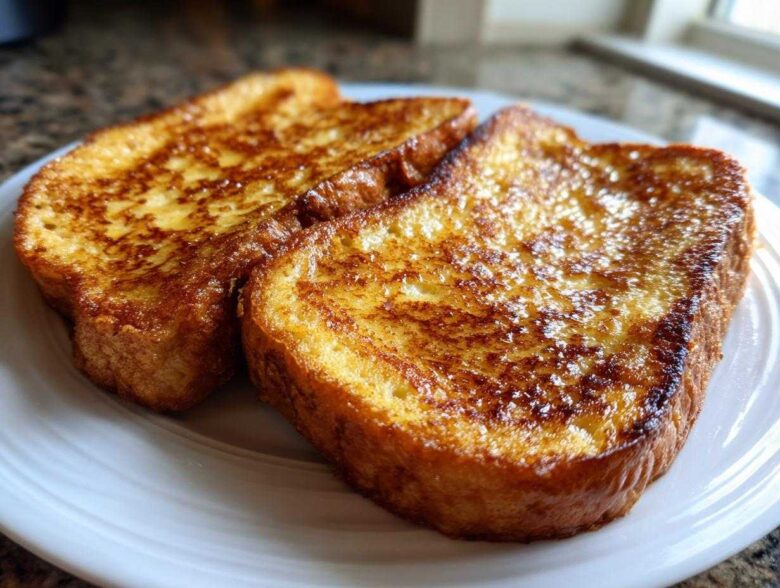
Oh my gosh, if you are tired of French toast that ends up either soggy in the middle or burnt on the outside, you have come to the right place! Seriously, back when Chloe and I first moved in together, our breakfast attempts usually ended in tragedy—we’re talking about that sad, limp bread that didn’t soak up anything right. But trust me, after way too many smoke alarms and burnt pans, I finally nailed this classic French toast recipe. The secret isn’t complicated; it’s all technique, focusing on getting that rich, custardy french toast center while pushing the edges to golden-brown, glorious crispness. This is the weekend breakfast that makes everyone forget about the rest of their week, and I can’t wait for you to try it! For more deep dives into leveling up your breakfast game, make sure you check out my best tips in my guide on French toast technique tips.
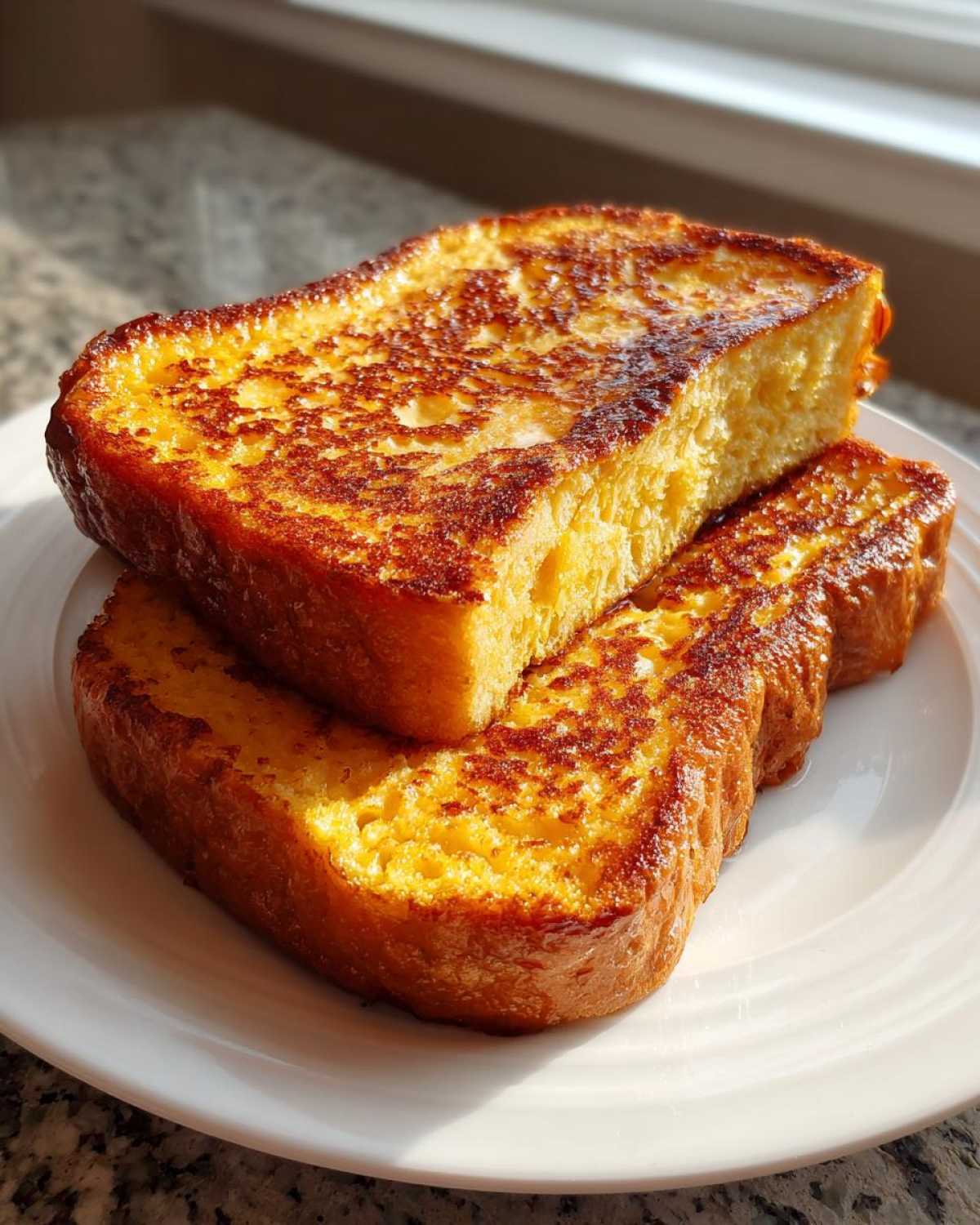
Why This Classic french toast recipe is a Weekend Breakfast Essential
Honestly, if you’re going to dedicate time to breakfast, it needs to be amazing, right? This is why this perfect recipe has become our go-to for those slow mornings. It balances simplicity with incredible flavor payoff.
- It’s genuinely quick—you’re looking at less than 30 minutes total!
- It totally elevates simple ingredients into something impressive for easy brunch recipes.
- It’s the ultimate way to turn ordinary bread into a holiday-feeling treat for your weekend breakfast ideas!
For more great meals that fit right into your weekend planning, check out all our delicious breakfast collection!
Texture Mastery: Achieving Fluffy french toast Centers
We want that melt-in-your-mouth experience, not dry bread! The trick here is using thicker slices of bread—think Challah french toast style—and giving them just enough time to absorb the rich cream-and-egg custard. This ensures you get those wonderfully rich, custardy french toast centers without any soggy spots. It’s all about that perfect soak time, people!
The Secret to Crispy french toast Edges
This is where the magic happens! You need real butter, not oil, for that incredible nutty flavor and golden finish. The key to getting those coveted crispy french toast edges is skipping high heat. We use medium heat so the butter sizzles perfectly without browning the outside before the inside is set. It’s worth being patient for those crisp edges!
Ingredients for the Best Classic french toast Recipe
Okay, let’s talk about what you need! Even though my sister Chloe loves to wing it, when it comes to the ingredients for truly amazing French toast, we have to stick to the list. This recipe doesn’t require anything super fancy, but using the right dairy and spices makes every bite feel like a holiday morning. We’re using rich heavy cream here to make sure we get that fantastic, decadent soak. Don’t worry, I’ve kept the measuring simple so you don’t have to stress about precision.
- 8 slices thick-cut bread (Challah or Brioche recommended)
- 4 large eggs
- 1 cup heavy cream
- 1/4 cup whole milk
- 2 tablespoons granulated sugar
- 1 teaspoon vanilla extract
- 1 teaspoon ground cinnamon
- 1/4 teaspoon ground nutmeg
- Pinch of salt
- 2 tablespoons unsalted butter, for cooking
Ingredient Notes and Substitutions for perfect french toast
The bread is truly non-negotiable if you want that gourmet breakfast feel! Forget that sandwich bread; you need something sturdy—I swear by Challah french toast or thickly sliced Brioche. They soak up the custard beautifully without turning to mush when they hit the skillet. Speaking of soak time, if your bread is super fresh, let it sit out on the counter for a few hours first; slightly stale bread is your best friend here! If you’re out of heavy cream, using half-and-half works, but I promise the richness drops off just a tiny bit. We aim for perfection, after all!
How to Prepare Perfect french toast: Step-by-Step Instructions
This is where we move from planning to actual cooking, and trust me, this phase is crucial. If there’s one disaster Chloe and I learned from early on, it was skipping the slow heat. I once cranked the burner up thinking, “More heat means faster breakfast!” Big mistake—I ended up frying the outside until it was black while the center stayed cold and eggy. Never again! We want a gentle process that sets the custard beautifully. Follow these steps closely, especially regarding the soak time, to ensure your french toast is heaven, not hell!
Crafting the Rich Custard Base for your french toast
First, grab a shallow dish—that makes dipping so much easier, doesn’t it? Whisk those eggs, cream, milk, sugar, and all those warm spices (cinnamon and nutmeg are key!). You need to whisk like you mean it until everything is totally unified. We don’t want streaks of egg white floating around! Consistent flavor means you work that whisk until the custard is smooth and even.
Cooking the french toast for Golden Perfection
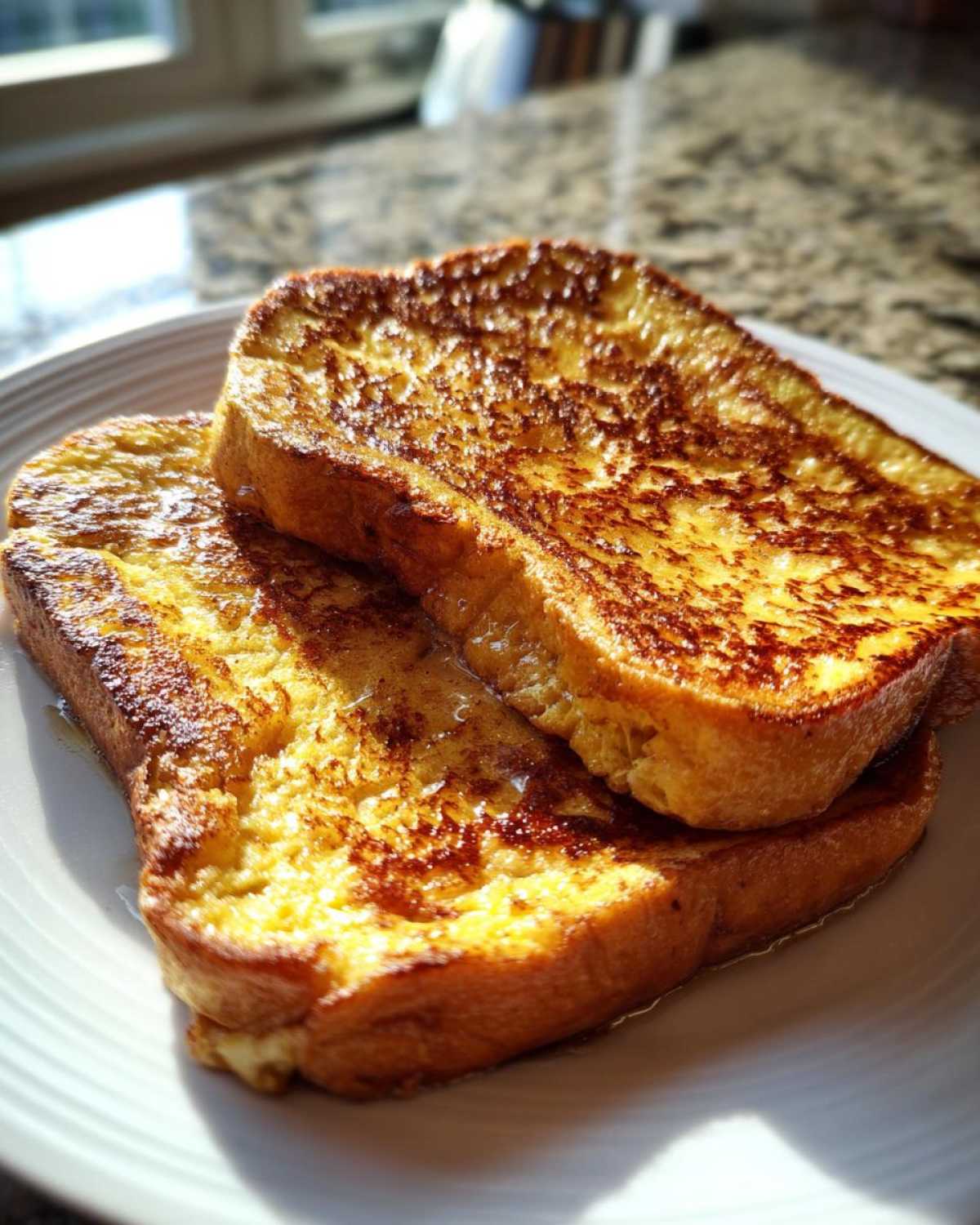
Get your griddle or skillet heated to medium—no higher! Melt some butter until it foams, and immediately lay your soaked slices down, making sure they have a little space between them so they crisp right. Cook them for about three to four minutes per side. That medium heat is vital; it lets the creamy custard set slowly so you get those lovely, deep golden-brown colors without scorching the outside before the middle is cooked. If you want the best results, you can always check out some extra tips over on my guide for caramelized onions, as managing heat is a similar skill!
Tips for Success: Making Gourmet breakfast french toast Every Time
Okay, you’ve got the right bread and the right custard—now let’s talk about those little tricks that separate good French toast from truly gourmet breakfast status. Chloe and I compiled these from all our trial-and-error sessions. Following these tiny rules is what gets you the best results, every single time. If you want to dive even deeper into professional methods, you can read up on some really solid cooking insights over at Modern Honey’s guide on best French toast recipe technique tips!
- Use Stale Bread: I can’t stress this enough! Stale bread absorbs the custard better without collapsing into soup. A day-old loaf is perfect.
- The Warm Oven Trick: Keep cooked slices on a wire rack set over a baking sheet inside a 200°F oven. This is one of the crucial best french toast tips for serving a whole family without the first batch getting cold and limp!
- Butter Management: Always add butter just before the next batch goes on the griddle. Butter browns quickly, so if it stops foaming, wipe the pan clean and add a fresh pat for the next round.
- Don’t Skimp on Spices: That nutmeg really makes a difference! A good quality cinnamon and a pinch of salt in the custard elevate the overall flavor profile wonderfully.
When you’re ready for more easy snacks that taste amazing, don’t forget to check out my recipe for homemade granola bars!
Variations on the Classic french toast
Once you’ve mastered the technique for the absolute best french toast, you can totally start experimenting! This base recipe is so solid that it handles flavor additions beautifully. You can lean into warming spices, making a decadent cinnamon french toast just by upping the ground cinnamon to two teaspoons in the custard, or you can go straight for indulgence. It’s always fun to show off a little when you have guests over for brunch, and these variations are far easier than they look!
For more fun weekend baking projects, check out these pecan pie muffins—they give the same level of cozy flavor!
Making Cream Cheese Stuffed french toast
Oh, the decadence! To make cream cheese stuffed french toast, you basically make little sandwiches. Make sure you are using extra-thick slices—Brioche works best here. Spread sweetened cream cheese on one slice, top it with another, and then soak the whole thing gently in the custard mixture. You need a longer soak time so that gooey center gets warm, but definitely keep an eye on that griddle heat so the outside doesn’t burn before the middle warms through!
Serving Suggestions for your french toast
Once you pull those beautiful slices off the griddle, the fun really begins! Since this french toast is rich and custardy, you want toppings that balance that richness. Always, always, always use real maple syrup; the fake stuff just doesn’t cut it for a gourmet breakfast! I love piling mine high with fresh raspberries or sliced bananas—the tartness is just perfect against the sweet cinnamon flavor.
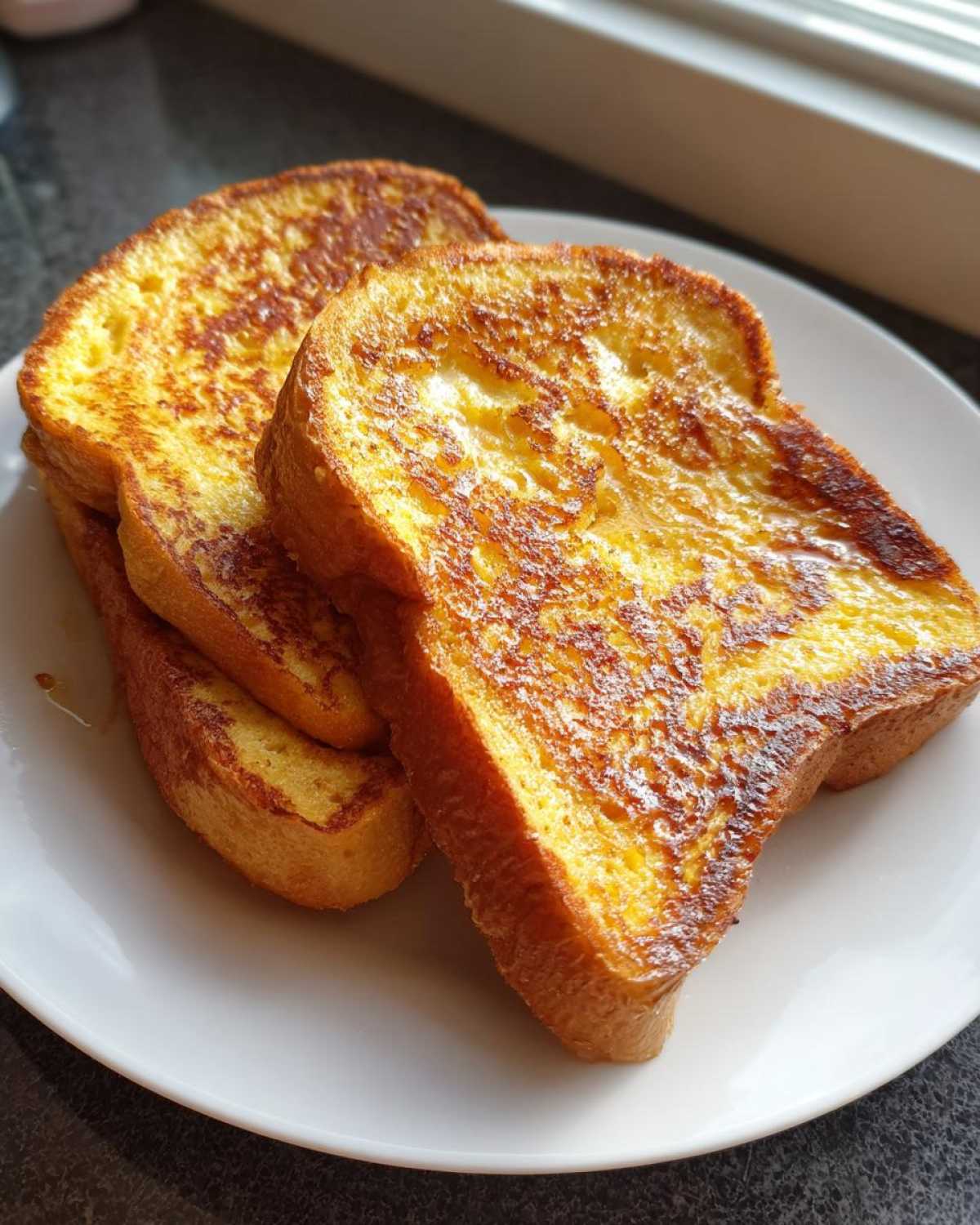
For something truly family friendly french toast, a simple dusting of powdered sugar goes a long way. If you’re feeling extra fancy, adding a dollop of good quality whipped cream or even a quick homemade blueberry compote takes zero extra time but makes the plates look amazing. Speaking of rich additions, if you happen to be making something savory alongside, you seriously have to check out my recipe for easy garlic butter—it’s a total game-changer for savory sides!
Storage and Reheating Instructions for leftover french toast
Seriously, who has leftover French toast? Usually, we eat it all! But hey, if you’re lucky enough to have some, storing it right is key so it doesn’t turn into sad, mushy bread tomorrow. For the fridge, just stack those cooled slices in an airtight container—they’ll last about three days. If you need to keep them longer, freeze them in a single layer first before bagging them up!
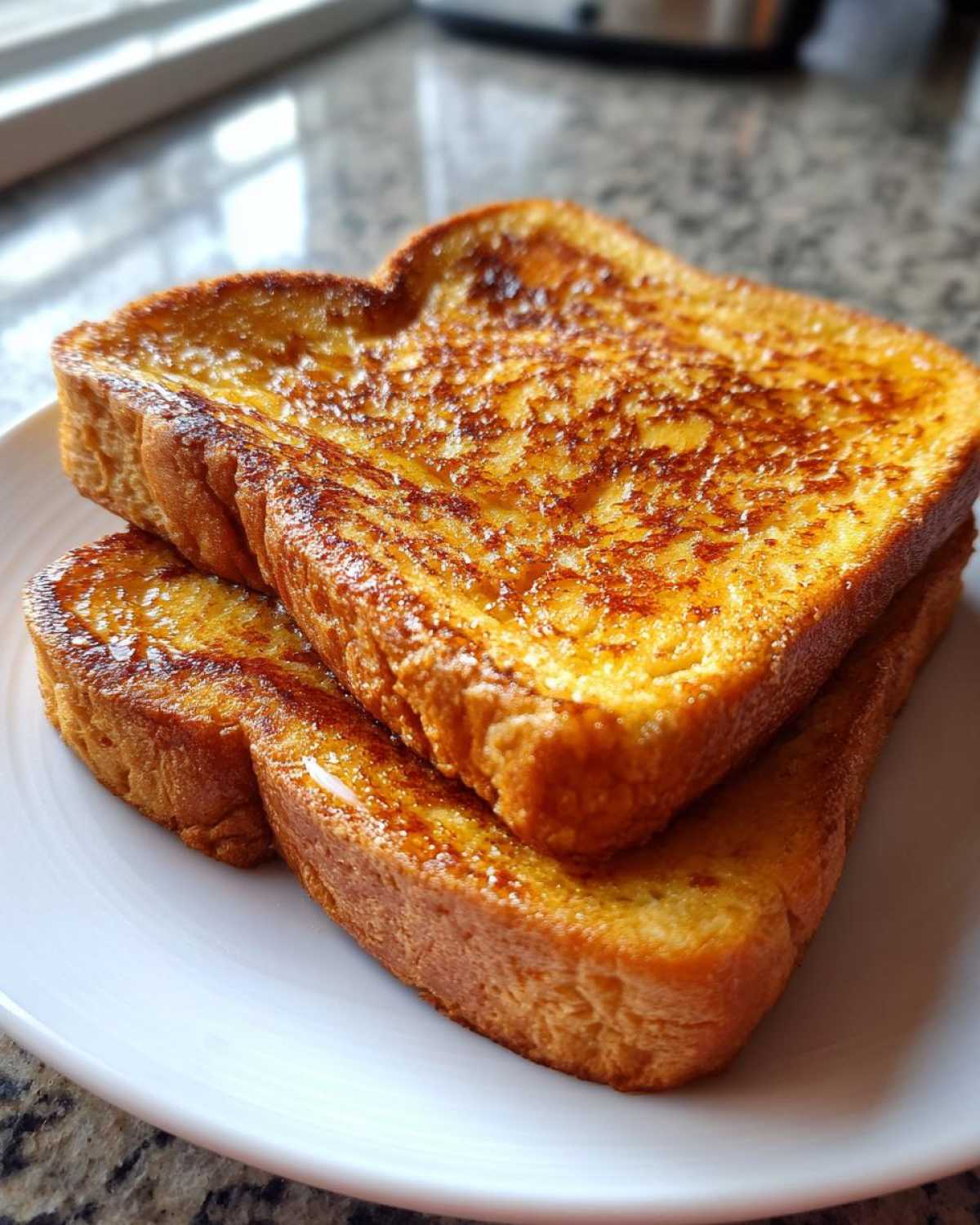
To bring back that crispness without drying out that beautiful custardy center, ditch the microwave. I always go back to the oven or toaster oven. Pop the slices on a wire rack at 325°F for about 8 to 10 minutes. It reheats them gently and brings back that exterior crispness we worked so hard for. If you’re looking for other make-ahead breakfast treats, these mini banana bread loaves freeze like a dream!
Frequently Asked Questions about french toast
I figured you might have a few questions, especially if you’re trying to transition from just ‘bread and egg’ to truly spectacular french toast! We get asked similar things all the time, so I rounded up the most common ones. Keep in mind, getting that perfect texture really relies on technique, but the right preparation is half the battle!
If you’re looking for more deep-dive answers to kitchen conundrums, make sure you take a peek at our guide to easy pulled chicken—sometimes the best learning happens when you troubleshoot!
Can I use regular sandwich bread for french toast?
In a pinch, sure, you can use regular sandwich bread for french toast. But honestly, if you want that fluffy french toast with the fluffy center, you really should aim for something sturdier. Thicker, richer bread like Challah french toast or Brioche is just unbeatable because it soaks up all that good cream and egg mixture without instantly falling apart on you while you cook!
Is there a make ahead french toast option?
That’s a fantastic question for busy mornings! This recipe here is meant to be made fresh for those perfect crispy french toast edges. However, if you really need convenience, I highly recommend looking into an overnight french toast bake or a french toast casserole variation. Those are specifically designed for overnight prep so you just pop it in the oven when you wake up!
What’s the best temperature for soaking the bread?
You don’t need to worry about the temperature of your custard mixture at all! It should be room temperature or slightly cool. The focus should be on how long you soak it—about 30 seconds per side for thick slices is usually the sweet spot to get that rich interior before the bread fully saturates.
How much spice should I use for cinnamon french toast?
If you want to amp up those warming fall flavors, go for it! For a standard batch of 8 slices, I’d bump that vanilla up to 1 1/2 teaspoons and definitely increase the cinnamon to two full teaspoons. That extra spice really makes it feel like a gourmet breakfast treat!
Nutritional Estimates for this french toast Recipe
Now, I know some of you are super dedicated to tracking your macros, and that’s fair game! Chloe and I definitely look at this stuff sometimes, especially when we’re pairing our french toast with something like a protein shake. Please know that these numbers are just rough estimates based on the ingredients we listed above, so they might shift a bit depending on the exact loaf of bread you choose or how generous you are with the vanilla extract!
This is for a serving size of two slices, so you can plan accordingly. For the full rundown and to see our official disclaimer, you can always check out our official disclaimer page!
- Serving Size: 2 slices
- Calories: 380
- Sugar: 14g
- Sodium: 350mg
- Fat: 18g
- Saturated Fat: 9g
- Carbohydrates: 40g
- Protein: 15g
The Absolute Best Classic French Toast Recipe: Custardy Centers and Crispy Edges

Learn the secrets to making the best French toast you will ever eat. This recipe delivers a perfect balance: a rich, custardy center and irresistibly golden, crispy edges. It is an easy weekend breakfast or gourmet brunch centerpiece.
- Prep Time: 10 min
- Cook Time: 15 min
- Total Time: 25 min
- Yield: 4 servings
- Category: Breakfast
- Method: Pan Frying
- Cuisine: American
- Diet: Vegetarian
Ingredients
- 8 slices thick-cut bread (Challah or Brioche recommended)
- 4 large eggs
- 1 cup heavy cream
- 1/4 cup whole milk
- 2 tablespoons granulated sugar
- 1 teaspoon vanilla extract
- 1 teaspoon ground cinnamon
- 1/4 teaspoon ground nutmeg
- Pinch of salt
- 2 tablespoons unsalted butter, for cooking
Instructions
- Prepare the custard base: In a shallow dish, whisk together the eggs, heavy cream, milk, sugar, vanilla extract, cinnamon, nutmeg, and salt until fully combined.
- Soak the bread: Dip each slice of bread into the custard mixture. Let it soak for about 30 seconds per side for a thick slice to ensure a custardy center. Do not over-soak to the point of sogginess.
- Heat the griddle: Place a large non-stick skillet or griddle over medium heat. Add half of the butter and let it melt until it foams slightly.
- Cook the toast: Place the soaked bread slices onto the hot griddle, ensuring they do not touch. Cook for 3 to 4 minutes per side until deeply golden brown and crispy on the edges. Adjust heat as needed to prevent burning before the center sets.
- Keep warm: Transfer cooked French toast slices to a wire rack set over a baking sheet in a warm oven (about 200°F) while you cook the remaining slices.
- Serve immediately with your favorite toppings like maple syrup and fresh berries.
Notes
- For the best results, use slightly stale bread. This allows the bread to absorb more custard without falling apart.
- If you want extra crispy edges, lightly press the sides of the bread against the hot buttered griddle during the last minute of cooking.
- For a richer flavor, substitute half of the heavy cream with half-and-half.
- This recipe works well for a quick breakfast, but for a make-ahead option, consider an overnight French toast casserole.
Nutrition
- Serving Size: 2 slices
- Calories: 380
- Sugar: 14
- Sodium: 350
- Fat: 18
- Saturated Fat: 9
- Unsaturated Fat: 9
- Trans Fat: 0.5
- Carbohydrates: 40
- Fiber: 2
- Protein: 15
- Cholesterol: 180