

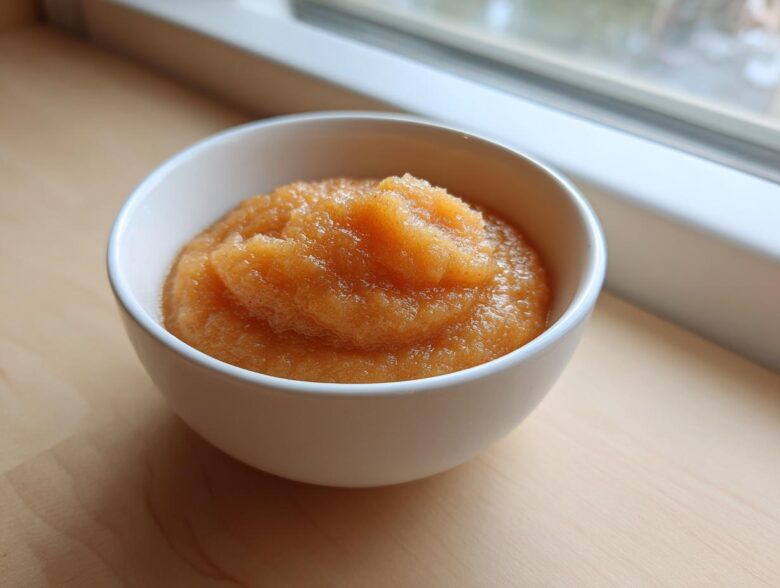
Oh my goodness, you guys! If you just got back from the orchard or the farmer’s market and your counter is practically buried under a mountain of perfect, crisp apples, you are in the right place. Seriously, I get so excited when those first fall apples come in because it means it’s time for my absolute favorite, most reliable homemade applesauce recipe. Forget those jarred jars; nothing beats the bright, fresh flavor of applesauce made right here on the stovetop. I’ve been making applesauce from scratch for over a decade, and I promise this ultra-simple fruit puree will become your go-to side dish.
Why This is the Best Easy Applesauce Recipe (Expert Tips)
Honestly, what I love most about this recipe is how fast it comes together. We’re talking about needing only about 35 minutes total for a seriously stunning bowl of goodness. It’s perfect when you need a healthy homemade snack in a pinch or just want to use up those extra Honeycrisps before they start looking sad in the fruit bowl.
Here’s why this is my champion quick applesauce tutorial:
- It’s naturally sweet! We barely touch the sugar bottle because the fruit does all the heavy lifting.
- The flavor is vibrant. You can actually taste the apple, not just cinnamon (though we love that too!).
- It’s fully adaptable—chunky or smooth, your choice!
My little secret for balancing the flavor? Always, always throw in just a tiny splash of lemon juice. It brightens everything up, trust me. You can read more about our philosophy on fresh ingredients here.
Selecting the Best Apples for Applesauce
If you want amazing applesauce from scratch, you have to start with the right apples—this is absolutely critical! Granny Smith apples are my go-to for that necessary tartness that keeps the sauce from tasting flat. But you can’t just use tart apples alone; that gets a little too mouth-puckering for dipping!
That’s why I preach the gospel of mixing it up. I usually pair one large tart apple with two sweet ones. Think Honeycrisp—they’re so delicious raw, and they break down beautifully on the stove. Using a variety ensures you get both structure and sweetness naturally, which is key for the best apples for applesauce.
Achieving Perfect Texture: Chunky Applesauce Recipe vs. Smooth Applesauce Instructions
You might think the apple choice dictates your texture, but it really doesn’t totally. If you want a chunky applesauce recipe, you just use a slightly firmer apple family, like Gala, and stop when the pieces are just fork-tender. You use a potato masher, and you leave bits intact. Easy peasy!
Now, for the smooth applesauce instructions, you want apples that turn into mush easily, like McIntosh, and then you just use an immersion blender right in the pot. It’s all about how you finish the cooking process, not just what kind of apple you grab!
Gathering Ingredients for Your Homemade Applesauce Recipe
Okay, let’s get organized! Making applesauce from scratch requires so few things, which is why this is such a wonderful way to use up fresh apples. You only need six large apples for a standard batch. Grab a mix of tart and sweet varieties, remember what we talked about!
You’ll also need about half a cup of plain water to get things going on the stovetop so nothing scorches. If you want that warm, cozy spice, have a teaspoon of ground cinnamon ready. And don’t forget the optional lemon juice—just a tablespoon really wakes up the flavor!
How to Make Applesauce on Stovetop: Step-by-Step Instructions
This is the part where we turn those gorgeous chopped apples into liquid gold! For this stovetop method, you want a nice, wide saucepan—don’t cram them into a tiny pot, or they’ll steam instead of softening properly. First things first, get those peeled, cored, and chopped apples—roughly one-inch pieces is perfect—right into the pot. Along with them, pour in that half cup of water. That little bit of water is just insurance; it stops the bottom layer from scorching while everything heats up.
You’re going to turn the heat up to medium-high and bring the whole mixture to a boil. Watch it closely, because once it starts bubbling, you need to drop that heat way down to low. Cover the pan tightly and let it simmer. This is where the magic happens for our easy applesauce recipe. You need about 15 to 20 minutes total. I really stress the importance of stirring every five minutes or so. Apples love to stick to the bottom when they soften up, and we don’t want burnt bits in our lovely homemade applesauce!
Once the apples are super tender—you should be able to mash them easily with a spoon—take the pan off the heat. Now decide on your texture!
- For smooth applesauce instructions, grab your immersion blender and blend right in the pot until it’s velvety. Or, carefully transfer batches to a regular blender.
- If you are aiming for a chunky applesauce recipe, just use a sturdy potato masher until you have the consistency you love.
After blending or mashing, give it a quick taste. I often skip adding sugar, but if your apples were ultra-tart, now is the time to stir in a tiny bit of something sweet. Don’t forget, you can check out our Terms and Conditions anytime!
Customizing Your Cinnamon Applesauce Flavor Profile
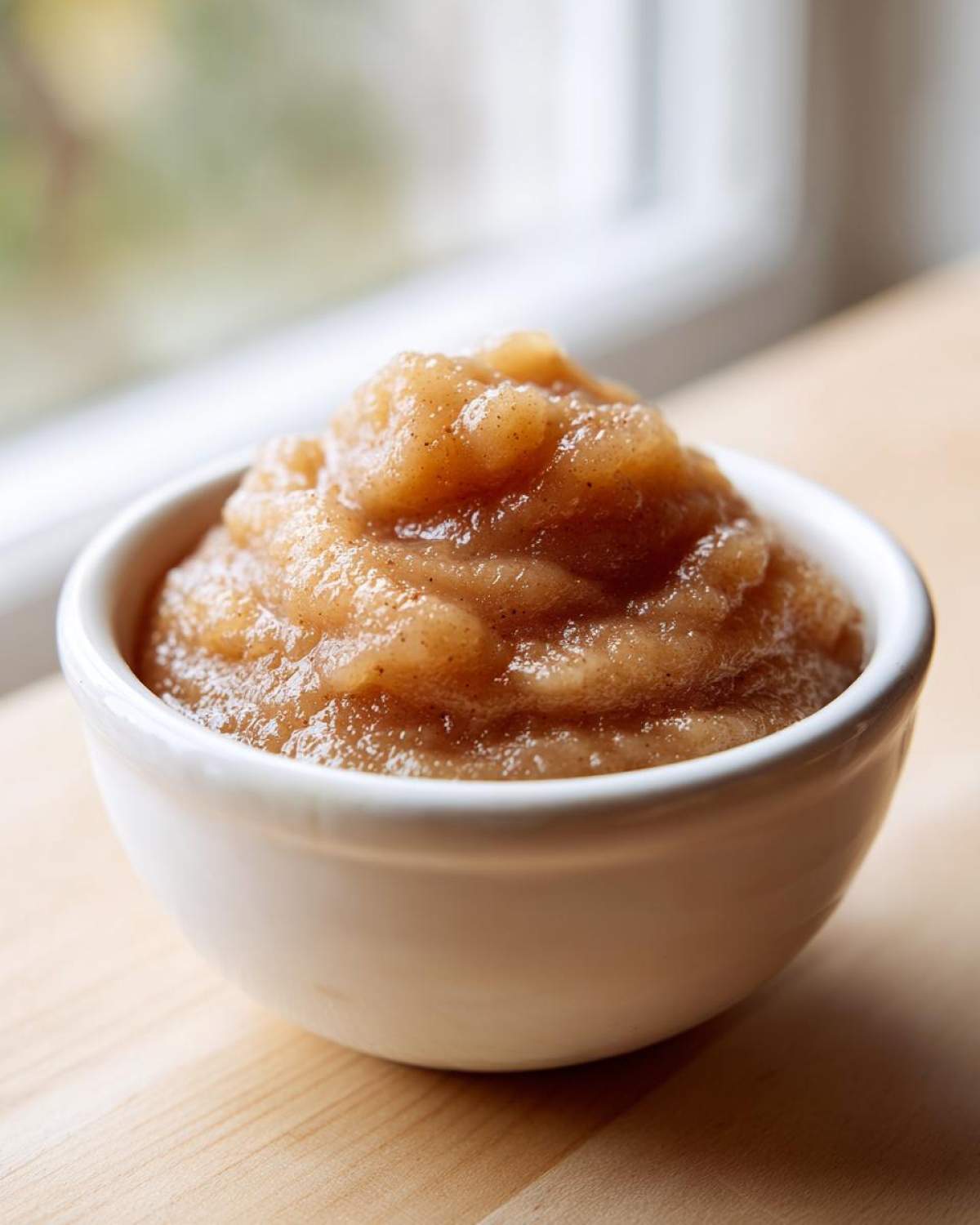
If you are going for that classic cinnamon applesauce vibe, add that teaspoon of spice right at the beginning with the water and apples. It lets the flavor bloom while everything simmers. If you skip the cinnamon, but want something bright, this is also when you stir in that optional lemon juice.
For those aiming for a truly naturally sweet applesauce, just rely on using sweeter apples like Gala or Fuji in your mix. If you find you still need a little something extra, try adding a teaspoon of maple syrup *after* it has cooled slightly instead of granulated sugar. It mixes in better that way.
Tips for Success When Making Applesauce
Even though this recipe is so simple, there are a few tiny things that took me years of tinkering to figure out, and I want you to skip all that trial and error! These tips will help you nail that perfect batch every single time you decide to whip up this fruit puree.
First off, let’s talk volume. If you are using a smaller pot, don’t try to double the batch right away. This recipe is tuned for about six apples. If you try to cram too many in, they just steam, and you’ll end up with watery mush instead of tender fruit. If you want a bigger yield, that’s totally fine, but just use a bigger, wider pot to match.
Speaking of thickness, sometimes my apples are just super juicy, and the sauce ends up a little runnier than I planned, especially if I’m prepping apples for baking later. To fix that, when the apples are almost done simmering, just take the lid off. Letting it cook uncovered for the last five minutes lets that excess steam escape, which thickens it up perfectly. You can watch it happen!
And finally, trust me on the apple combo. Seriously, don’t backslide and use just one type! The recipe calls for a mix for a reason. The sweet apples give the body and sweetness, and the tart ones provide that necessary acidic backbone that screams ‘fresh.’ It’s that beautiful balance that makes the final product taste so complex, honestly!
Storing and Reheating Your Fresh Applesauce
You’ve made the perfect batch of homemade goodness, but what now? Don’t stress about finishing it all in one day! If you made this easy applesauce recipe, it keeps beautifully in the fridge for about a week. Just make sure you put it into airtight containers—I love using little glass jars for this. It’s such a fantastic, healthy treat to have ready for a snack or a side dish for dinner.
If you really went big and decided to double the batch to use up those fresh apples, you’ll want to freeze the rest. Pour it into freezer-safe bags or containers, leaving about an inch of headspace at the top because liquids expand when they freeze. It keeps great for months! When you want some, just pull out a portion and let it thaw in the fridge overnight.
When it comes time to reheat, it’s super quick! A few seconds in the microwave or a gentle warming on the stovetop is all it takes. Call me if you have any questions about the process; you can reach us at our contact page!
A Brief Guide to Canning Applesauce Safely
Now, if you really want to put up a huge haul for the winter, canning is the way to go! I’m not going to pretend I’m a canning expert—it needs real precision, and honestly, I’m always nervous about getting the seals just right. But it is totally doable!
The most important thing to remember when canning applesauce is safety first. You absolutely need to check the latest USDA guidelines for safe water bath processing times based on your altitude. Don’t just guess! You need a proper seal and enough processing time to make sure it’s shelf-stable and safe for long-term storage. A modern pressure canner or water bath setup is required, so look up those official ratios before you start sterilizing jars!
Frequently Asked Questions About Homemade Applesauce
I know starting a new recipe, even a simple one, can bring up a few head-scratchers. I’ve gathered the questions I get most often about whipping up this fruit puree. Hopefully, this clears everything up!
Can I use a slow cooker instead of the stovetop?
Oh, absolutely! That’s a fantastic option, especially if you’re busy or want to use up even more apples because the slow cooker holds a lot more volume. For the slow cooker applesauce recipe, just toss everything in—apples, water, cinnamon—and cook on LOW for about 6 to 8 hours, or on HIGH for 3 to 4 hours. It gets super tender, and you don’t even have to stir much! It’s great for making a big batch of cinnamon applesauce.
What if I want a ‘no sugar added applesauce’?
This is actually my preferred way most of the time! If you want a true no sugar added applesauce, you just skip that optional sweetener step entirely at the end. It works perfectly if you use mostly sweet varieties like Fuji or Gala. The lemon juice we add helps cut the sweetness just enough so it doesn’t taste flat, making it a wonderful, healthy homemade snack.
How long does homemade applesauce typically last in the fridge?
In a clean, airtight container in the refrigerator, this stuff lasts about a week! Because we aren’t adding preservatives like in the store-bought versions, it won’t last forever. That’s why I always suggest packing up whatever you won’t eat in the first few days into the freezer. If you’re looking for official guidelines, always review the disclaimer information about food storage times just to be safe!
Serving Suggestions for Your Simple Fruit Puree
Now that you have a beautiful pan of pure, homemade fruit puree, what in the world do you do with it all? Don’t just eat it standing over the sink with a giant spoon—though I certainly won’t judge you if you do! This stuff is so versatile, it’s almost silly. It’s perfect for a quick, healthy snack straight out of the fridge, especially if you spiced it up with that cinnamon we talked about earlier.
But trust me, this puree shines as a side dish, too. If you’re making pork chops or roasted chicken, a scoop of this warm, tangy fruit mixture is phenomenal. It cuts through the richness so nicely. I swap it out for heavy sauces all the time!
And my favorite little trick? Baking swaps! If a recipe calls for oil or butter, you can often substitute half of it with this applesauce puree. It keeps the baked goods incredibly moist, like those carrot muffins we already talked about! It works wonders in oatmeals and even smoothies if you want to kick the texture up a notch. You’ll find yourself making batches constantly just to have on hand!
Nutritional Estimates for Homemade Applesauce
Okay, so we’ve made something truly delicious that tastes like pure fall comfort, but I know some of you are curious about what’s actually in the bowl. Because this recipe is so flexible—you might skip the cinnamon or use slightly different apples—these numbers are just an estimate based on the recipe as written, serving about four people generously.
When you’re making something this naturally sweet, it’s amazing how good the numbers look compared to the shelf-stable stuff laden with extra sugar. This is why I always encourage making your own applesauce from scratch—you control everything!
Here are the general estimated nutritional values for a standard half-cup serving size, according to the ingredients we used:
- Serving Size: 1/2 cup
- Calories: Around 105
- Fat: Just about 0.2g (practically clean eating!)
- Carbohydrates: Roughly 28g (mostly natural fruit sugars and fiber)
- Fiber: About 4g, which is fantastic for keeping things moving!
- Protein: Light at 0.5g
- Sugar: 21g (unbelievably low for a sweet treat, since it’s all from the apples!)
- Cholesterol: 0mg
Remember, these figures are an estimate, so if you decide to add a big spoonful of sugar or maple syrup, you’ll need to adjust accordingly. If you’re looking to check on our site policies, make sure you look over the privacy policy!
PrintSimple Stovetop Applesauce
A straightforward recipe for making fresh, flavorful applesauce using common kitchen methods.
- Prep Time: 15 min
- Cook Time: 20 min
- Total Time: 35 min
- Yield: 4 servings
- Category: Side Dish
- Method: Stovetop
- Cuisine: American
- Diet: Vegan
Ingredients
- 6 large apples (a mix of sweet and tart, like Honeycrisp and Granny Smith)
- 1/2 cup water
- 1 teaspoon ground cinnamon (optional)
- 1 tablespoon lemon juice (optional)
Instructions
- Peel, core, and chop the apples into roughly 1-inch pieces.
- Place the chopped apples, water, cinnamon, and lemon juice (if using) into a large saucepan.
- Bring the mixture to a boil over medium-high heat.
- Reduce the heat to low, cover the saucepan, and simmer for 15 to 20 minutes, or until the apples are very tender. Stir occasionally to prevent sticking.
- Remove the pan from the heat.
- For smooth applesauce, use an immersion blender or transfer the mixture in batches to a standard blender and process until smooth. For chunky applesauce, mash the mixture with a potato masher to your desired consistency.
- Taste and add sweetener if needed, though the natural sweetness of the apples may be sufficient.
- Cool completely before serving or storing.
Notes
- For the best flavor, use a combination of sweet apples (like Fuji or Gala) and tart apples (like McIntosh or Granny Smith).
- If you prefer a thicker sauce, cook uncovered for the last 5 minutes to allow excess liquid to evaporate.
- This recipe can be easily doubled for canning or freezing.
Nutrition
- Serving Size: 1/2 cup
- Calories: 105
- Sugar: 21g
- Sodium: 2mg
- Fat: 0.2g
- Saturated Fat: 0g
- Unsaturated Fat: 0.1g
- Trans Fat: 0g
- Carbohydrates: 28g
- Fiber: 4g
- Protein: 0.5g
- Cholesterol: 0mg