

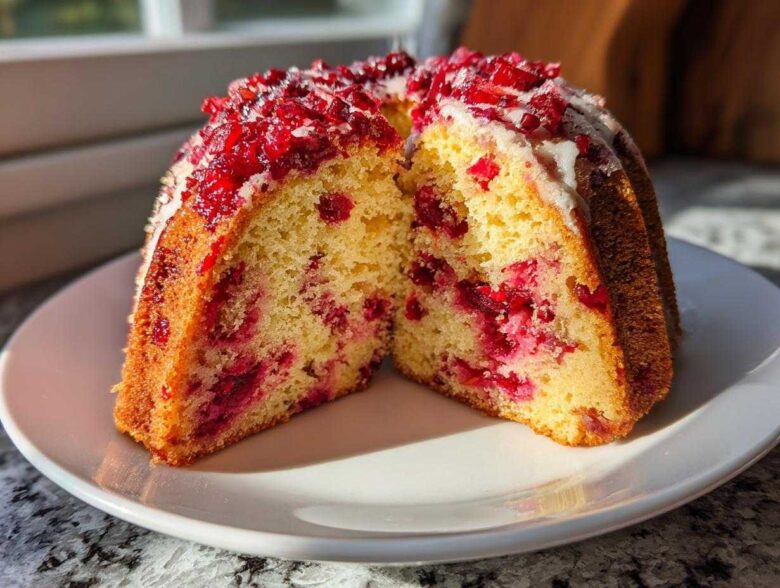
Oh, you are going to absolutely adore this cake! There’s just something about the holidays—or honestly, any dreary Tuesday—that demands something bright, zesty, and utterly festive. If you’re searching for that signature holiday pairing, stop right here. This Moist Cranberry Orange Bundt Cake recipe is the one! It’s not just another cake; it’s the perfect blend of shocking tartness from the cranberries and that warm, fragrant sunshine from the orange zest. I’ve tried dozens of variations over the years, tweaking until I got the texture just right. Trust me when I say that this specific cranberry orange cake is the reason my family expects a special citrus bake every December.
Why This Is the Best Cranberry Orange Cake Recipe (EEAT Focus)
Listen, I’ve been baking for my family for decades, and I promise you, this recipe nails the balance every single time. Most cranberry cakes end up dry as the winter wind, but not ours! We make sure this is the Best Cranberry Cake Recipe you’ll ever look for thanks to a couple of secret texture tricks. The result is unbelievably moist, which is critical when you have tart cranberries involved.
The real magic is how the bright, sharp orange zest cuts through the sweet butter cake, preventing that heavy, overly sweet taste. It just sings! People always mistake this for some complicated layer cake, but it’s baked right up in a Bundt pan, making it the perfect Showstopper Dessert Recipe without all the fuss. It truly is a Flavorful Fruit Cake that always disappears first at any holiday table.
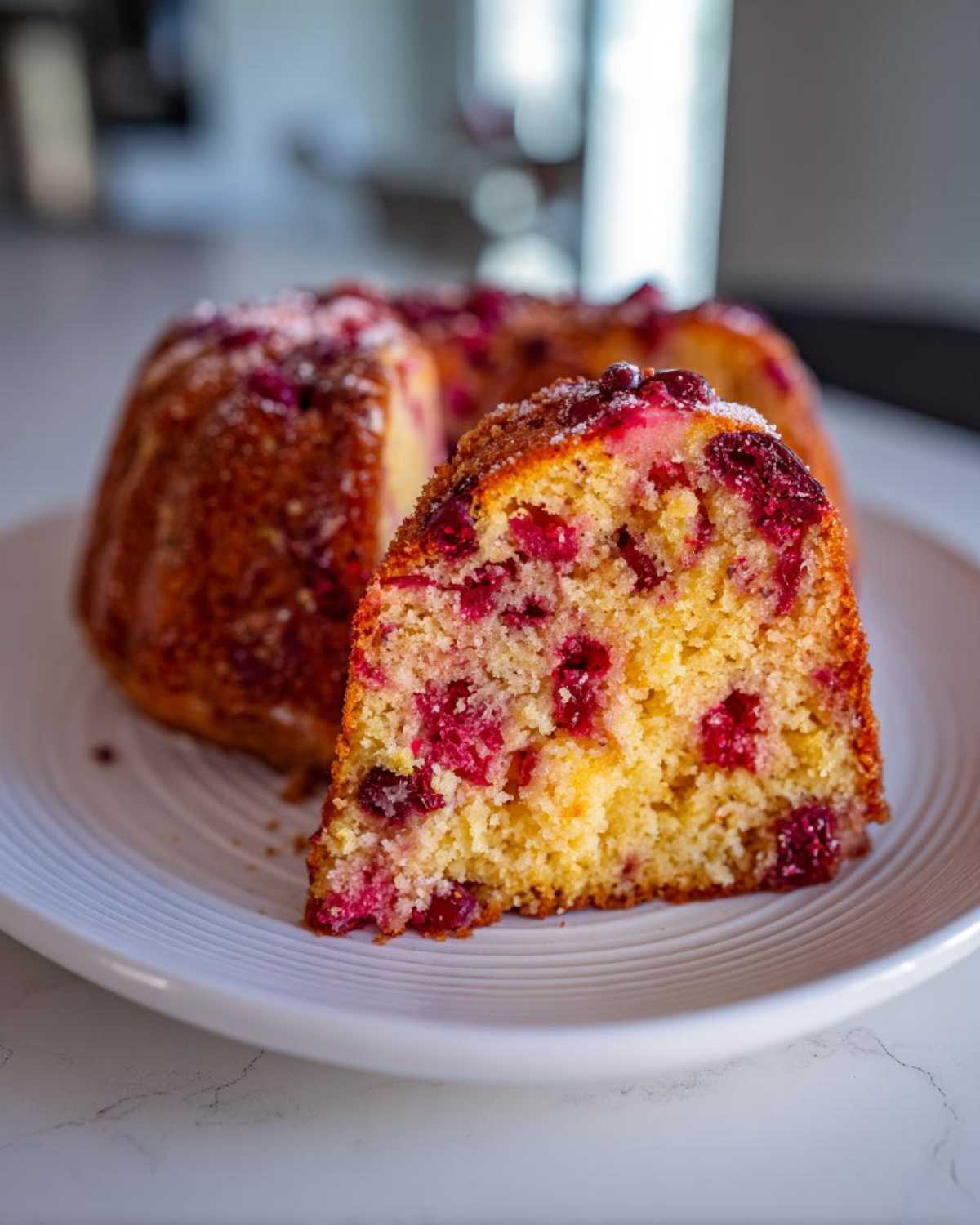
Gathering Ingredients for Your Moist Cranberry Cake
Okay, now that we’re excited about how fantastic this cake is going to taste, let’s talk about what you need to pull it off. Honestly, the ingredient list isn’t terrifying; it’s quite straightforward! But, and this is important for getting that **Moist Cranberry Cake** texture, the details matter here. We need that butter perfectly soft, not melted, and we need to handle the oranges like they hold the secret to the universe—because they kind of do!
I always lay everything out before I even touch the mixer. It saves so much panic when you’re alternating wet and dry things later on. We’ll separate the main cake parts from the glaze components, just so everything stays super organized. Don’t substitute that fresh orange juice for the bottled stuff; the fresh stuff is mandatory for that bright flavor!
Main Cranberry Orange Cake Components
- 1 3/4 cups all-purpose flour
- 1 1/2 teaspoons baking powder
- 1/2 teaspoon salt
- 1 cup granulated sugar
- Zest of 2 large oranges
- 1/2 cup (1 stick) unsalted butter, softened
- 2 large eggs
- 1 teaspoon vanilla extract
- 1/2 cup whole milk
- 1/4 cup fresh orange juice
- 1 cup fresh or frozen cranberries, roughly chopped
Simple Orange Glaze Ingredients
- 1/2 cup powdered sugar
- 1 tablespoon fresh orange juice
Step-by-Step Guide to Making the Easy Orange Cranberry Dessert
Alright, here is where the fun really starts! We are going to turn those ingredients into the most aromatic, vibrant **Cranberry Orange Cake** you’ve ever smelled while it’s baking. Even though this ends up looking like a fancy showstopper, the mixing method is surprisingly simple—it’s almost an Easy One Bowl Cake process if you’re careful with your additions!
Preparing the Pan and Dry Mix
First things first: get that oven warmed up! We need the oven temperature at 350 degrees F (175 degrees C) ready to go. Now, take your 10-cup Bundt pan. Don’t skip greasing *and* flouring it well! These cakes like to stick if you rush this part, and we want a beautiful, whole cake coming out later. Don’t use cooking spray alone; get in there with the butter or shortening and a dusting of flour.
In your medium bowl—this can be your second bowl, we aren’t quite one-bowl-yet—whisk the flour, baking powder, and salt together. Just whisk them until they look totally unified. Set that bowl off to the side so it’s ready for its moment.
Creaming Butter, Sugar, and Zest for the Cranberry Orange Cake
This is the step that builds flavor! Put your granulated sugar and that lovely, bright orange zest into your large mixing bowl. Now, use your fingers—yes, your actual hands—and rub that zest right into the sugar. You’ll immediately smell the difference! Keep rubbing until the sugar looks damp and smells intensely orange. This is how you get that incredible **Orange Zest Cake** flavor deep into the cake structure.
Once that’s done, bring in the softened butter. Beat the butter and the zesty sugar mixture with your mixer until it gets genuinely light and fluffy in color. This takes about three good minutes. It needs to look pale before you proceed—that’s air going in! Then, one egg at a time, beat it in completely before adding the next. Finally, swirl in that teaspoon of vanilla.
Combining Wet and Dry Ingredients for Optimal Texture
Time to bring everything together, but slowly! In a little dish, quickly whisk your half-cup of milk and quarter-cup of orange juice together. Now, we alternate! Start by adding about a third of your dry, floury mix into the butter mixture and mix on low. Then, add about half of your milk/juice mixture.
Repeat that: add the next third of the dry stuff, mix, then the rest of the liquid. Always finish by adding the final third of the dry ingredients. The key here, folks, to keeping this a **Moist Cranberry Cake**, is to mix only until the streaky flour disappears. Seriously, stop mixing the second you can’t see white streaks anymore. Overmixing develops gluten, and we want tender, not tough!
Finally, take those roughly chopped cranberries—whether fresh or frozen, no need to thaw!—and gently fold them into the batter with a spatula. Don’t stir aggressively; you want those beautiful red pops distributed evenly, not smashed into mush.
Baking and Cooling the Cranberry Bundt Cake
Pour all that beautiful batter into your prepared Bundt pan. It should fill it about two-thirds full, which is perfect for this recipe. Pop it into the 350°F oven. The baking time usually settles right around 45 to 55 minutes, but you have to test it!
Start checking around the 45-minute mark. Use a thin wooden skewer or toothpick and poke it right into the thickest part of the cake. When it comes out clean or with just a few tiny, moist crumbs clinging to it, it’s done. If you see wet batter, give it five more minutes and check again. Patience here makes all the difference!
Once it’s baked, take it out. Here’s crucial cooling advice: let it cool *in the pan* on a cooling rack for 15 minutes. If you rush it, the cake will collapse. After those 15 minutes, carefully run a knife around the edge if you need to, place a wire rack over the top, and flip it! Let it cool completely on the rack before you ever think about glazing it.
Tips for Baking the Perfect Cranberry Orange Cake
Now that you have the structure down, let me pass along a few insider tricks I’ve learned over the years—especially those little details you find in the notes section that seem minor but actually make or break your **Cranberry Orange Cake**. These pointers help ensure your **Festive Winter Baking** turns out spectacular, not stressful.
Handling Cranberries for Even Distribution
If you’ve ever had a sinkhole of cranberries in the bottom of your cake and nothing but plain cake on top, I feel your pain! Those dense little berries love to settle during the bake. The single best trick is what we did in the instructions: chop them roughly. If they are too small, they lose their structure and sink right down. Rough chopping gives them just enough surface area to cling to the surrounding batter.
Also, I saw a question in the recipe notes about using frozen berries. Absolutely yes! If you are running low on time or fresh fruit, use frozen cranberries right from the freezer. Don’t thaw them first, though! Thawed berries get mushy and release too much moisture, which can disrupt the batter consistency and make those clumps worse. The cold temperature helps them hold their shape a little longer while they start heating up in the oven, giving the surrounding batter time to set around them.
Maximizing Orange Flavor in Your Holiday Citrus Cake
If you want that vibrant, unbelievably fresh flavor that screams ‘zest,’ you have to use real fruit. There is simply no substitute for a fresh orange peel when you’re creating an Orange Zest Cake. Avoid anything artificial!
When you zest those oranges, make sure you are only getting the very colorful outer layer. The white part underneath, called the pith, is bitter, and nobody wants a bitter **Holiday Citrus Cake**! Spend the extra minute making sure you only collect that bright orange stuff. That zest is where all the essential oils live, and rubbing it into the sugar, like we did earlier, releases those oils beautifully. Plus, using fresh orange juice in the batter *and* the glaze means you get that full, rounded citrus punch throughout the whole dessert.
Serving Suggestions for Your Seasonal Citrus Dessert
Once your beautiful **Cranberry Orange Bundt Cake** is cool and drizzly with that thin orange glaze, the real fun begins: eating it! This cake is versatile, which is a huge win for me. If you’re serving it for a weekend brunch, I love slicing it thick and serving it alongside a dollop of slightly sweetened, thick Greek yogurt—it complements the tartness perfectly, turning it into a wonderful Brunch Cake Cranberry Orange.
For the holidays, though, this definitely stands up as a Showstopper Dessert Recipe all on its own. But if you want to dress it up slightly, try serving a slice with a small side of spiced whipped cream—think a tiny pinch of cardamom mixed into heavy cream before whipping. The warm spice plays so nicely with the citrus. Honestly, if it’s just you and me, a strong cup of black coffee is the only accompaniment this **Seasonal Citrus Dessert** ever really needs!
Storage and Keeping Your Cranberry Orange Cake Fresh
Nobody wants to finish a batch of this incredible **Cranberry Orange Cake** only to wonder how to store the leftovers—if there are any left, that is! Luckily, because this is such a moist cake, it hangs onto its freshness much better than your average sponge.
If you are serving it the same day, or maybe over a day or two, simple room temperature storage is perfect. Just make sure it’s well-covered. I usually just pop the whole cake (or what’s left of it!) onto a serving platter and cover it tightly with plastic wrap. You can keep it on the counter sealed up like this for about three days. Because of the sugar in the glaze and the natural moisture, it stays perfectly fine and flavorful on the countertop.
If you need it to last longer—say, you baked it early for a holiday gathering next week—you’ll want to pop it into the fridge. Wrap individual slices tightly in plastic wrap first, and then maybe put those wrapped pieces into an airtight container. It’ll stay beautiful in the refrigerator for up to a week. When you pull it out of the cold, though, let it sit on the counter for about 30 minutes before serving. Cold cakes always taste a little muted, and we want that bright orange flavor to shine!
I’ve actually avoided reheating this one, but if you absolutely must warm up a slice—maybe you like it almost molten—don’t microwave the whole thing; it gets weird! Pop one slice on a small piece of foil and stick it in a toaster oven at about 300 degrees F for five to seven minutes. That warms it through gently without drying out those wonderful cranberries. Remember, keep checking our site for baking survival tips like this!
Frequently Asked Questions About This Cranberry Orange Cake
I always get so many questions when people first try this recipe, which tells me it’s a keeper! It’s totally normal to have questions when you’re making a new **Holiday Citrus Cake**, especially when trying to nail that perfect moistness. Here are the top things folks ask me when they’re preparing to whip up this wonderful bake, using tips I’ve picked up over the years!
Can I use dried cranberries instead of fresh in this recipe?
You certainly can swap them out, but you need to be careful if you do! Fresh cranberries bring so much moisture because they pop during baking. If you use dried cranberries, you’ll miss that burst of juice. If you absolutely must use dried, I recommend soaking them in about two tablespoons of hot water or orange juice for about fifteen minutes before you fold them in. This prevents them from sucking moisture right out of your beautiful cake batter. Just make sure you blot them dry with a paper towel before adding them so you don’t throw off the liquid balance too much!
How do I ensure my Homemade Cranberry Orange Loaf stays moist?
That moist texture is my personal badge of honor with this recipe! The very best way to guarantee it—whether you make a loaf or a Bundt—is to pay close attention during the mixing stage. Never switch your mixer up to high speed once you add the flour; you’re just asking for tough cake! Mix on low, just until you see the flour streaks vanish. Don’t dawdle! Secondly, ensure you are using the full amount of softened butter called for. That fat content is essential for keeping every bite deliciously tender. If you follow those mixing rules, you’ll end up with a fantastic Homemade Cranberry Orange Loaf.
Is this recipe suitable for a standard loaf pan instead of a Bundt pan?
Yes, absolutely! While I love the look of the Bundt, this batter is very happy in loaf pans, making it a quick Easy Orange Cranberry Dessert for gifting or taking to work. If you divide the batter between two standard 9×5 inch loaf pans, you’ll need to adjust the baking time quite a bit because the heat has to penetrate deeper into that dense shape. I generally start checking them around 50 minutes, but often they need closer to 60 or even 65 minutes. Use that toothpick test—if it comes out clean, you’re golden! They’ll be just as flavorful, though maybe slightly less dramatic looking than the Bundt version!
Nutritional Estimates for Your Festive Winter Baking
Alright, let’s be real for a minute. When we are making something this glorious, full of butter, sugar, and that amazing orange zest, we aren’t exactly counting every calorie! But I know some of you are like me, and you like to have a little idea of what you’re diving into, especially if you’re taking this delicious treat to a party. These numbers are just rough estimates based on how I prepare the **Cranberry Orange Cake** using the ingredients listed—my measurements might be a touch more generous on the glaze than others, so take these as a guideline!
This summary is just for that one slice of cake without any extra toppings, assuming you divided it into the 10 standard servings for that Bundt beauty. Think of this as the baseline before you add an extra smattering of that citrus glaze!
Here’s what the typical slice looks like based on the Recipe Details information:
- Serving Size: 1 slice
- Calories: 310
- Sugar: 35g
- Sodium: 180mg
- Total Fat: 14g (with 8g saturated)
- Carbohydrates: 44g
- Protein: 4g
A quick little note to keep our spirits high while looking at the numbers: These estimates are based on standard pantry staples we usually use, and we always forget to account for everything that sticks to the bowl! If you use buttermilk instead of milk, or add extra zest (like I sometimes secretly do), the numbers might shift a tiny bit. When you’re enjoying this Seasonal Citrus Dessert, just enjoy the moment and know that every ingredient works hard to make this **Festive Winter Baking** experience worthwhile!
Share Your Experience with This Cranberry Orange Cake
Now that you’ve gone through the steps and baked up this incredible **Cranberry Orange Cake**, I really, truly want to hear all about it! Baking is better when we share the results, right? I put so much care into making sure these instructions result in that perfect, moist, zesty bite, and knowing it worked for you means the world to me.
When you finish glazing your beautiful **Holiday Citrus Cake**, snap a picture! It’s the best compliment you can give me. If you’re sharing on social media—and please tag me if you do, I love seeing your creations—let everyone know you used this recipe. Seeing those vibrant colors pop out of your Bundt pan is the highlight of my week!
And don’t be shy about leaving a comment right here on the post. Did you add a dash more vanilla? Did you try dusting it with turbinado sugar instead of the glaze? Tell me everything! Rating the recipe—even if it’s just a quick five-star click—helps other bakers trust that this classic recipe is worth their time. Your feedback helps me keep writing up the best cranberry cake recipes for all of us to enjoy!
PrintMoist Cranberry Orange Bundt Cake

A simple recipe for a moist and flavorful cake featuring the balance of tart cranberries and bright orange zest, perfect for holidays.
- Prep Time: 20 min
- Cook Time: 50 min
- Total Time: 70 min
- Yield: 10 servings
- Category: Dessert
- Method: Baking
- Cuisine: American
- Diet: Vegetarian
Ingredients
- 1 3/4 cups all-purpose flour
- 1 1/2 teaspoons baking powder
- 1/2 teaspoon salt
- 1 cup granulated sugar
- Zest of 2 large oranges
- 1/2 cup (1 stick) unsalted butter, softened
- 2 large eggs
- 1 teaspoon vanilla extract
- 1/2 cup whole milk
- 1/4 cup fresh orange juice
- 1 cup fresh or frozen cranberries, roughly chopped
- 1/2 cup powdered sugar (for glaze)
- 1 tablespoon fresh orange juice (for glaze)
Instructions
- Preheat your oven to 350 degrees F (175 degrees C). Grease and flour a 10-cup Bundt pan.
- In a medium bowl, whisk together the flour, baking powder, and salt. Set aside.
- In a large bowl, combine the granulated sugar and orange zest. Rub the zest into the sugar with your fingers until fragrant.
- Add the softened butter to the sugar mixture and beat with an electric mixer until light and fluffy, about 3 minutes.
- Beat in the eggs one at a time, mixing well after each addition. Stir in the vanilla extract.
- In a small bowl, whisk together the milk and orange juice.
- Gradually add the dry ingredients to the wet ingredients, alternating with the milk mixture, beginning and ending with the dry ingredients. Mix until just combined; do not overmix.
- Gently fold in the chopped cranberries.
- Pour the batter into the prepared Bundt pan.
- Bake for 45 to 55 minutes, or until a wooden skewer inserted into the center comes out clean.
- Let the cake cool in the pan for 15 minutes before inverting it onto a wire rack to cool completely.
- While the cake cools, whisk together the powdered sugar and 1 tablespoon of orange juice to create a thin glaze.
- Drizzle the glaze over the cooled cake before serving.
Notes
- If using frozen cranberries, do not thaw them before adding them to the batter.
- For extra orange flavor, you can substitute some of the milk with buttermilk.
- Chop the cranberries coarsely to ensure they distribute evenly throughout the cake.
Nutrition
- Serving Size: 1 slice
- Calories: 310
- Sugar: 35
- Sodium: 180
- Fat: 14
- Saturated Fat: 8
- Unsaturated Fat: 6
- Trans Fat: 0
- Carbohydrates: 44
- Fiber: 1
- Protein: 4
- Cholesterol: 65