

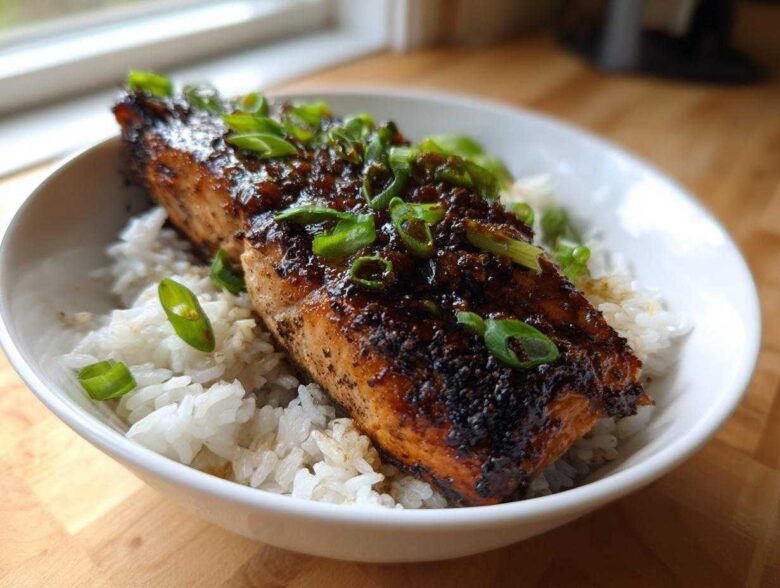
Oh my goodness, do you ever get that feeling on a Tuesday night? You look in the fridge and think, “I need something deeply flavorful, something that tastes like takeout, but I absolutely refuse to spend over 30 minutes on it.” I totally get it! That’s why I finally perfected what I call the ultimate Sticky Honey Soy Salmon with Rice Bowl. Forget those thin, watery sauces you end up just pouring over your rice; we are going for *sticky* here.
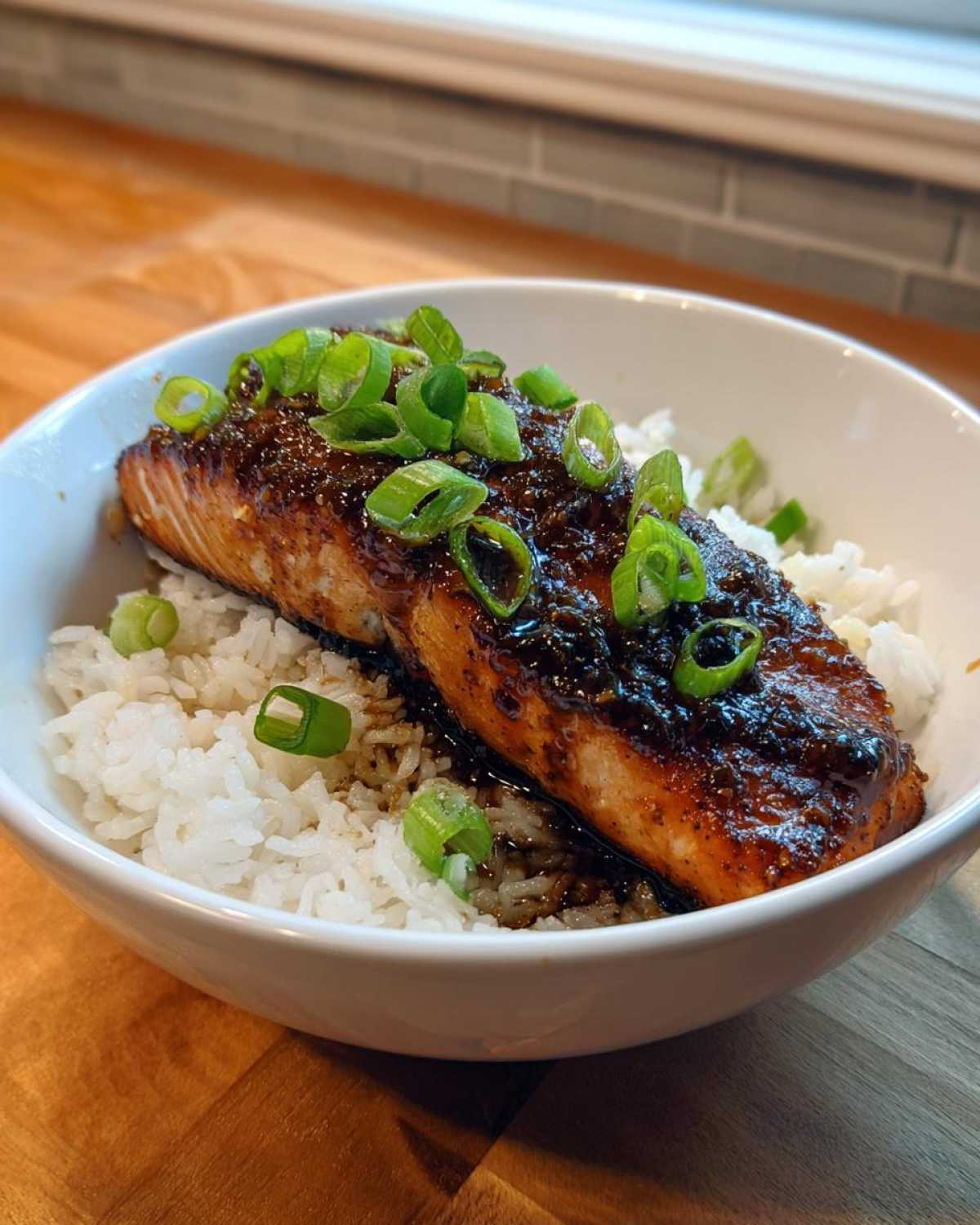
The secret, which took me way too many attempts to master, is all in the thickening timing. You have to treat your glaze like a delicate dance! You create one part for flavor layering and a separate, slurry-thickened part for that amazing, caramelized coating. I used to just dump everything in the pan and ended up with burnt sugar or a thin sauce that evaporated instantly. Oops! But trust me, once you nail this two-part sauce method, you’ll have the best salmon dinner on repeat. If you ever need another super fast fix, check out my quick garlic butter chicken bites!
This whole meal comes together in about 25 minutes, rice included, which is why I always have salmon fillets ready in the freezer. It’s fast, it smells incredible thanks to the ginger and garlic filling your entire kitchen, and it beats delivery fees every single time. If you’re looking for something fast and utterly satisfying, you’ve found your winner. We’re leaning into that sweet, salty, umami goodness right now!
Why This Sticky Honey Soy Salmon with Rice Bowl Works (Quick Weeknight Salmon Dinner)
Why does this recipe always end up on my dinner rotation? Honestly, it’s the sheer efficiency without sacrificing flavor. I’ve tested nearly every five-star salmon recipe out there, and this one always wins for a busy night. It genuinely cuts down on dishes, too, which is a huge win in my book!
Here’s what makes this dish the king of my quick dinners. You’ll get that restaurant quality without the wait time:
- Speed is King: Seriously, we are looking at about 10 minutes of prep and 15 minutes of cooking time. That means you can get this amazing meal on the table faster than you can decide what to watch on TV. For more lightning-fast meal inspiration, check out my collection of 15 minute salmon dinner ideas!
- The Perfect Texture: We aren’t messing around with a watery sauce. The secret cornstarch technique ensures you get that beautiful, thick, caramelized shell coating every single bite. That’s the “sticky” everyone craves.
- Flavor Balance That Sings: It hits all the right notes. The honey gives you that gorgeous sweetness, the soy sauce brings the deep umami and saltiness, and the fresh garlic and ginger cut through it all with a bright zing. It’s just balanced, you know?
It’s a whole, satisfying meal in one bowl, too—protein, carbs, and flavor explosion—all done before I’ve even remembered I needed to check my email.
Ingredients for Your Sticky Honey Soy Salmon with Rice Bowl
Okay, let’s talk what you need! I always lay everything out before I start—you know, the whole *mise en place* thing—because once you start searing that salmon, things move fast! Don’t try to chop garlic while you’re trying to thicken a glaze; trust me on this one. If you want to add a little extra flair to your starch game sometime, you should check out my recipe for easy Spanish rice recipe 30 minutes, but for this bowl, plain white rice is the perfect backdrop.
Getting the prep right means no scrambling later when you want that thick, beautiful coating! Here’s the rundown, broken down by what goes where.
For the Honey Soy Glaze for Fish
This mixture is the heart and soul of the stickiness, so measure accurately!
- Low-sodium soy sauce: We need 1/4 cup of this. I strongly suggest low-sodium so you can control the saltiness once the honey goes in.
- Honey: 3 tablespoons. This sweetness is crucial for that caramelization.
- Rice vinegar: 1 tablespoon. Just a little acidic pop to balance things out.
- Garlic: 2 cloves, minced super finely. Don’t even think about the jarred stuff here!
- Fresh ginger: 1 teaspoon, grated. Grating it fresh is non-negotiable for that zing!
- Cornstarch: 1/2 teaspoon. This is the magic dust for thickening!
- Water: 1 tablespoon. This activates the cornstarch without making the sauce too watery.
For the Rice Bowl Assembly
These are the solid anchors for our flavorful topping!
- Salmon fillets: 2 nice pieces, about 6 ounces each. I leave the skin on because it helps keep the fish moist during searing, but you do you!
- White rice: 1 cup uncooked. Cook this up first so it’s hot and ready when the salmon comes off the heat.
- Vegetable oil: 1 tablespoon. Just needed for searing in the skillet—a neutral oil works best.
- Garnish (My Favorite Part!): A sprinkle of sesame seeds and some sharply sliced green onions make it look like you actually tried hard.
How to Prepare the Sticky Salmon Sauce (Caramelized Honey Soy Salmon)
This part right here? This is where the magic happens for the best glaze. You can’t just mix everything together in one go, or you’ll end up with either a burnt, bitter mess or a sauce that runs right off the fish. We are making two distinct sauce components, and you gotta keep them separate until the very last minute!
First, grab a small bowl—whisk together the soy sauce, honey, vinegar, minced garlic, and that gorgeous grated ginger. Smell that? That is the future of your dinner right there! Take that beautiful mixture and immediately pour half of it into a separate little dish. We are reserving this second half. Don’t touch it; it’s going on later!
Now, for the stickiness! In the bowl that still has the main sauce base, we are adding our thickening agent. Whisk in the cornstarch and the tablespoon of water until it’s totally smooth—no lumps allowed! This slurry is what transforms that thin liquid into that thick, beautiful coat we want. If you are looking for other fantastic flavor boosters, you might want to check out my best homemade teriyaki sauce recipe for inspiration, but for this recipe, the slurry is key!
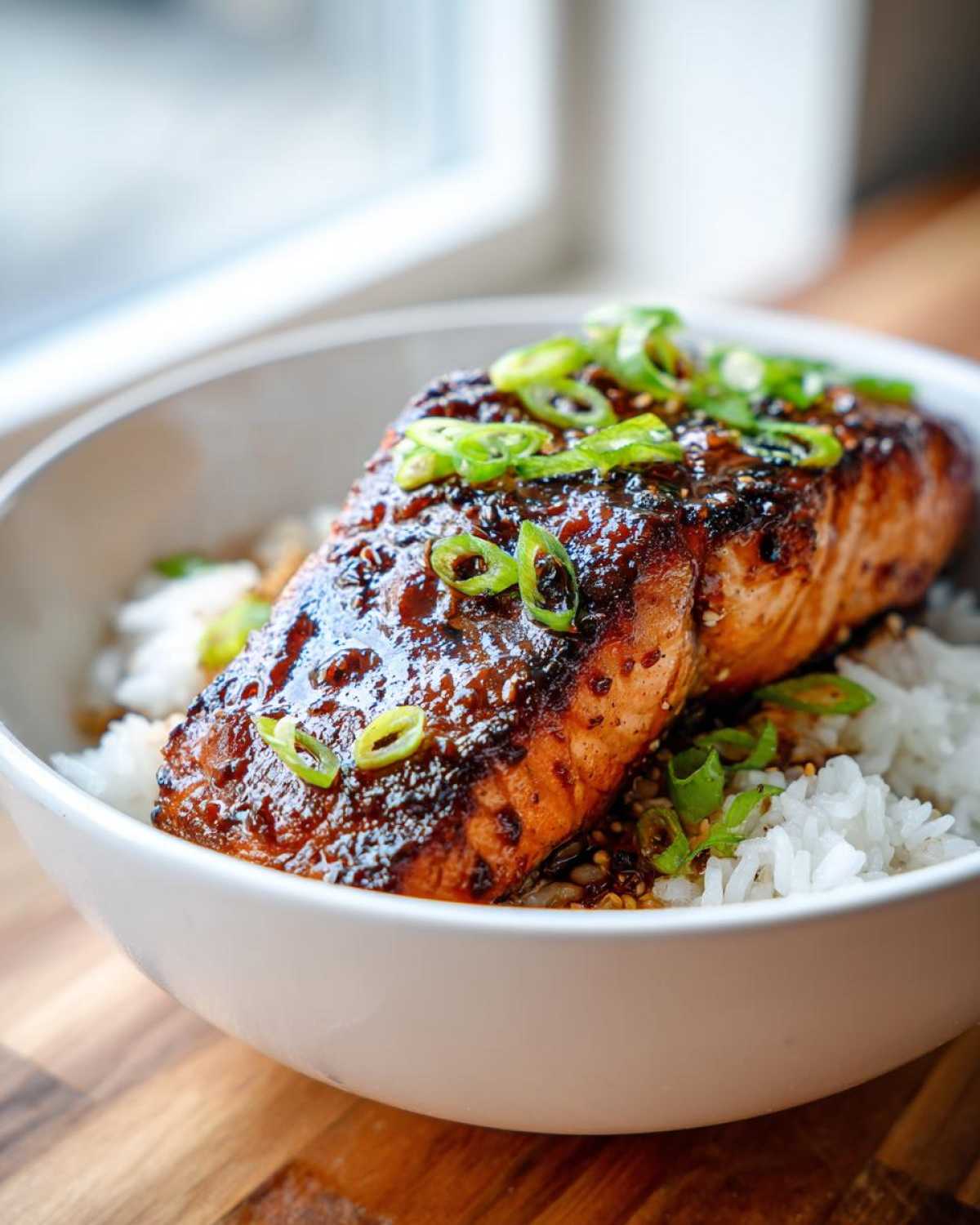
By setting aside that first half, we ensure we get a burst of fresh, bright flavor right at the end when we brush it on, instead of just coating it with a thick, cooked-down paste. See? It’s all about layering those moments of flavor!
Cooking Instructions for Your Sticky Honey Soy Salmon with Rice Bowl
Alright, now that our flavor factory—the sauce prep—is done, it’s time to bring this whole Sticky Honey Soy Salmon with Rice Bowl together. Remember, salmon cooks fast, so we need to have the rice ready to go! Don’t worry if you aren’t a huge fan of pan-searing; I’ll give you an oven option in a bit, too. It’s all about getting that flaky interior with that gorgeous, shiny coat! If you want to dive deeper into the methods for getting perfect salmon texture, you should look over my notes on pan seared salmon with rice.
Preparing the Rice Base
This step is easy peasy, but crucial. Get your cup of white rice going according to the package instructions. Start this before you do anything else with the salmon. Once it’s done, just cover it up to keep it warm. You want hot rice ready to soak up all that incredible glaze when the fish comes off the heat. Seriously, don’t let it sit too long or it gets clumpy!
Pan Searing and Glazing the Salmon
This is the main event! First, grab those salmon fillets and pat them down *really* well with paper towels. I mean it—if the skin or flesh is wet, you won’t get that sear we are looking for. Season them super lightly with salt and pepper; remember, the marinade is packed with savory flavor!
Heat up your vegetable oil in a good non-stick skillet over medium-high heat. When that oil is shimmering, lay your salmon down skin-side first, if you’re leaving the skin on. That initial sizzle should be loud and happy! Sear it hard for about 4 to 5 minutes until that skin is crisp and golden brown. That crispy base is fantastic!
Now, flip those fillets gently. Immediately drop the heat down to medium-low. This is important so we don’t burn that amazing honey. Gently pour that cornstarch slurry mixture—the one that was cloudy when you made it—right into the pan, surrounding the salmon, not directly on top of it yet. Let that bubble and simmer for just a minute or two. You’ve got to watch it! It will thicken up rapidly, transforming into that thick, caramelized honey soy salmon glaze.
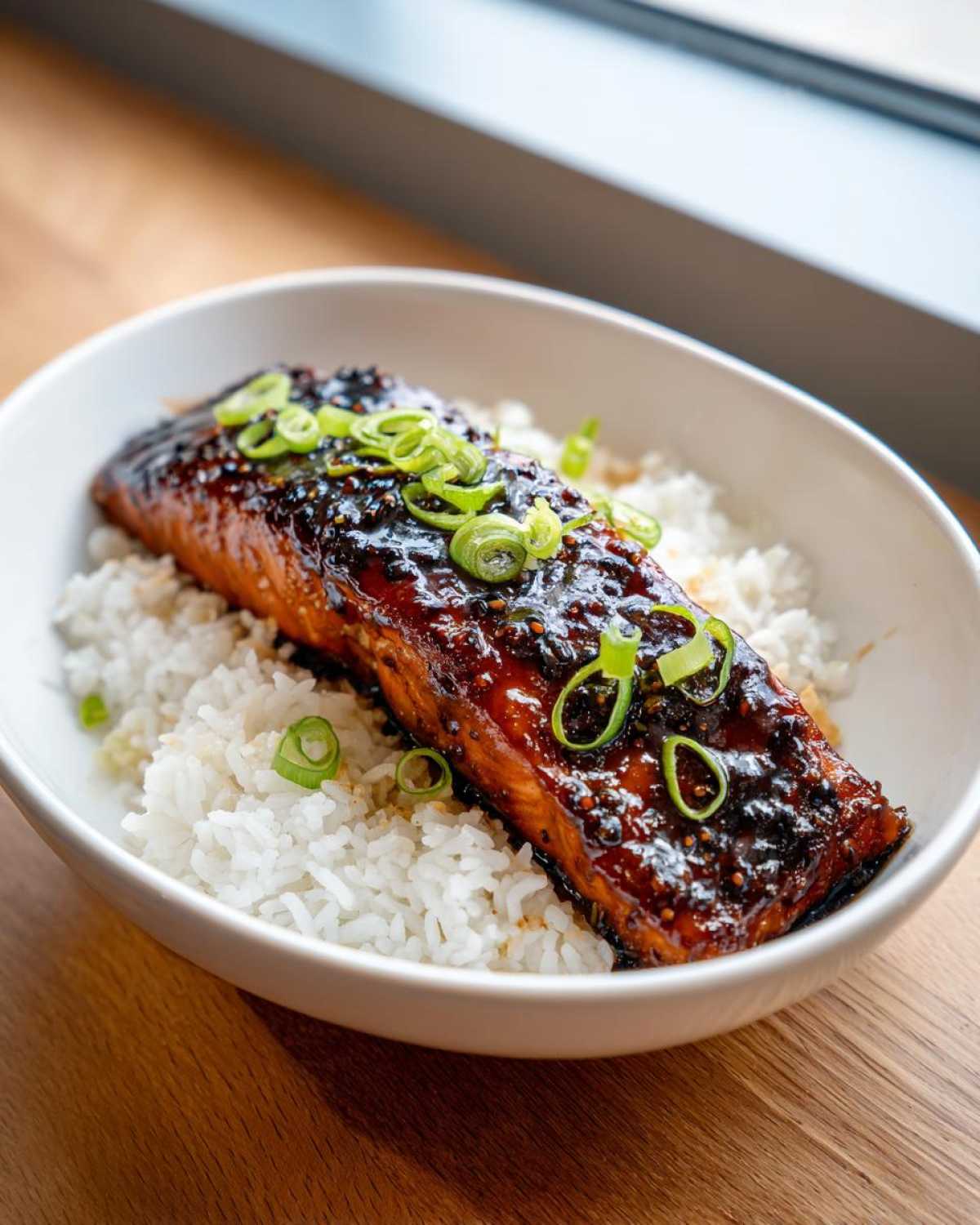
Once it’s thick enough that you can drag your spoon through the sauce and it holds a line for a second or two, it’s time for the final flavor boost! Grab that reserved, *unthickened* sauce and brush it generously over the tops of the salmon. This adds a fresh punch of garlic and honey flavor right before you finish cooking. Let it cook for another 3 to 5 minutes until the salmon flakes easily with a fork. If you dread watching the stovetop, you can absolutely transfer the whole pan (once the slurry is slightly thickened) to a 400°F oven for about 12 to 15 minutes, making sure to baste it halfway through with that reserved sauce!
Finally, assemble your masterpiece over that bed of hot rice. Drizzle any extra thick glaze from the pan over the fish, sprinkle on those sesame seeds and green onions for color, and enjoy your ridiculously fast, restaurant-quality dinner!
Tips for Success: Achieving the Perfect Sticky Salmon Recipe
Look, I’ve burned sugar more times than I care to admit trying to rush this glaze. It happens to the best of us! But when you’re aiming for that flawless, thick coating that truly makes this a Sticky Salmon Recipe, a few small details keep things running smoothly. This is where I stopped guessing and started getting it perfect every single time. If your marinade game needs a strong foundation, take a peek at how I get my chicken super juicy with this juicy chicken marinade secret in 10 minutes!
My crucial tip? Pat the salmon dry like you mean it. I mean bone dry! Whether you are searing skin-on or skin-off, excess moisture is the enemy of a good sear. Moisture creates steam, and steam prevents browning. You want that lovely crust to form quickly so the inside stays flaky, and a dry surface is the ONLY way to get there.
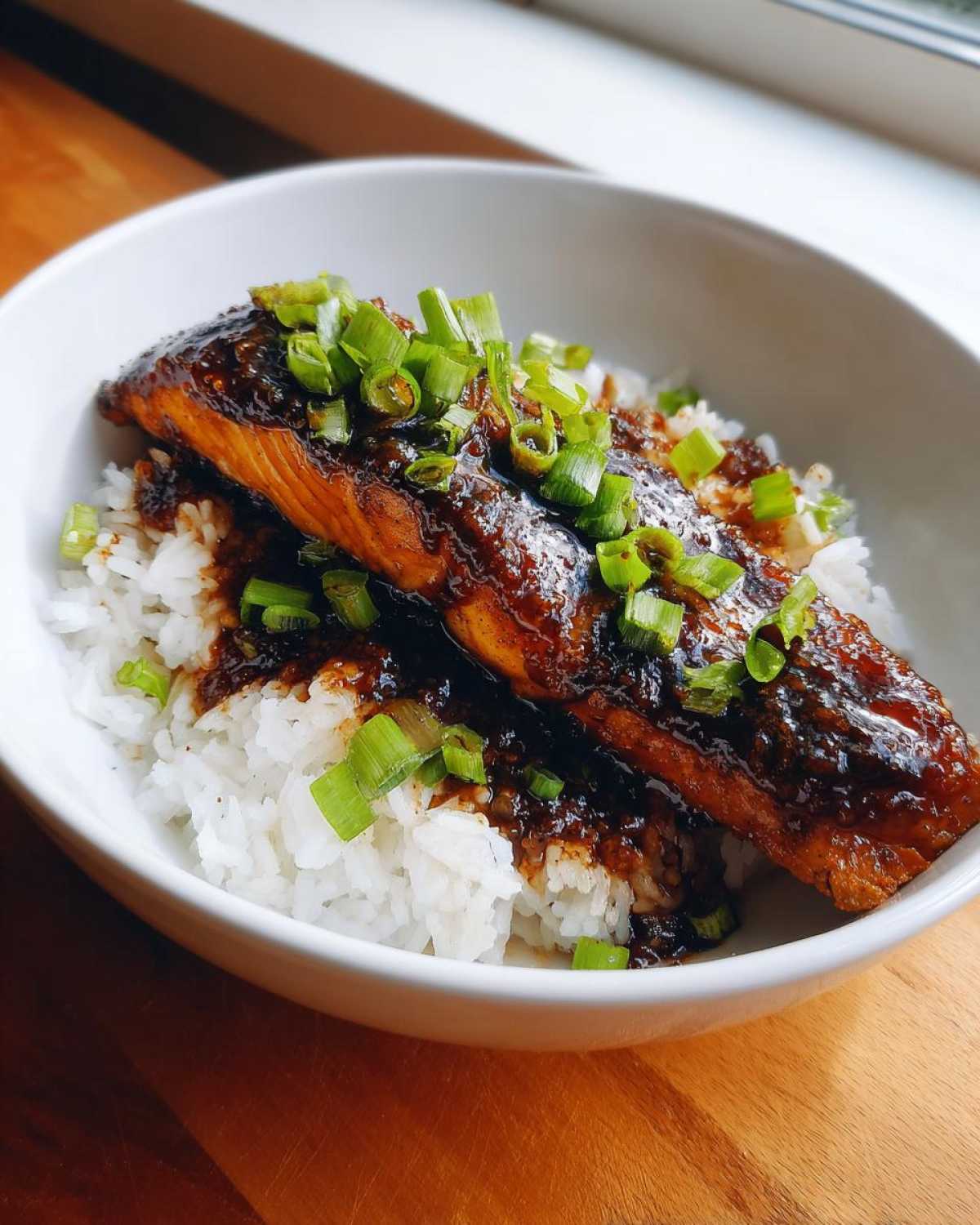
Now, let’s talk texture control, because nobody wants runny honey soy sauce:
- The Slurry Activation Time: Don’t rush the cornstarch slurry once it hits the hot pan. You need it there long enough to visibly bubble and thicken. If you pull it off the heat too soon, it will loosen up as it cools, and you’ll be disappointed later. Give it a full minute or two of gentle simmering to activate that thickening power.
- Controlling the Salt Level: Since we are using soy sauce, which is inherently salty, and then adding honey, things can get intense fast. This is why I urge everyone to use low-sodium soy sauce here. It lets the honey and aromatics shine without overwhelming your palate. If you taste it right before you serve and it seems a little flat, add a tiny squeeze of fresh lemon or lime juice—not salt! The acid brightens everything up immediately.
- Pan Temperature Matters: When you add the slurry, the pan temperature needs to come down just slightly before adding the cornstarch mixture. High heat + cornstarch = potential lumps that stick right to the bottom of your skillet. Medium-low heat is your best friend for that final glaze coating.
Follow those three little rules, and you’ll find your glaze going from liquid to luxuriously sticky in no time!
Ingredient Notes and Substitutions for Your Asian Inspired Salmon Bowls
Sometimes you open the pantry and realize you’re missing the exact component the recipe asks for. Don’t panic and don’t run to the store for one tiny thing! I’ve made swaps in this Honey Soy Glaze for Fish more times than I can count, especially when making this last minute. If you are worried about finding the right components, you can always try my recipe for best coconut soup recipe tom kha gai if you need an alternative flavor profile altogether!
Let’s talk specifics so you can adjust based on what you have on hand:
First up: Soy Sauce. I always write in low-sodium, and I mean it. Why? Because the honey is adding plenty of sweetness, and we are reducing this sauce down until it’s thick and concentrated. If you use regular soy sauce, you risk ending up with a salmon bowl that tastes like the bottom of the ocean! If you only have regular soy sauce, just use 2 tablespoons instead of the 1/4 cup and taste it before you add any salt to the salmon itself.
What about the honey? This is where you can easily swap things around if needed. Plain old liquid honey is perfect—it dissolves beautifully. But if you have maple syrup, that works like a charm too, though it will slightly change the final flavor profile to be a touch earthier. Brown rice syrup is another fantastic option for maximum stickiness, though it’s a little harder to find sometimes. Either way, it substitutes 1:1 for the honey.
Rice Vinegar is there mostly for brightness. It cuts through the richness of the salmon fat and the sweetness of the honey. If you’re out? Apple cider vinegar is your next closest friend! I’d start with about half the amount of apple cider vinegar (maybe 1/2 tablespoon) because it can be a bit sharper than the milder rice vinegar. If it tastes a little flat after that, you can always add a few drops of fresh lime juice at the very end of the glaze simmer—that always wakes everything up!
Oh, and Ginger! If you’re totally out of fresh ginger root, don’t sweat it too much. You can use ground ginger, but you have to use way less—maybe 1/4 teaspoon of the powder to replace that full teaspoon of fresh. Fresh is always better for that aromatic kick, but we cook with what we have, right?
Serving Suggestions for Your Sticky Honey Soy Salmon
So, you’ve got this perfectly glazed, flaky salmon sitting on a bed of fluffy white rice. Fantastic! But to make this the complete, ultimate meal—the full bowl experience—we need some texture and green things on the side. This glaze sings loudest when it’s paired with something fresh and slightly crisp to balance out all that sticky sweetness and umami.
You don’t need a whole stir-fry; we’re keeping it simple because the salmon is the star! We are looking for three-minute vegetables, tops. If you’re feeling adventurous and want to try something crunchy on the side that isn’t green, you have to check out my recipe for a raw carrot salad recipe 5-minute sesame lime; it’s bright and tangy against the soy!
Here are my go-to combinations to finish off this quick dinner:
- Garlic-Kissed Broccoli: Steam some fresh broccoli florets until they are bright green but still have a little snap. Then, right before serving, I quickly sauté them for about 60 seconds in a tiny bit of sesame oil and shake in some garlic powder. The subtle nuttiness of the sesame really plays well with the honey soy.
- Quick Sautéed Bok Choy: This is my favorite for texture! Halve or quarter the leaves, and just toss them into the hot pan *after* you’ve pulled the salmon out. Use any residual oil or glaze left behind and sauté for just two minutes until wilted. It takes on the flavor beautifully.
- Simple Sliced Cucumber: For something totally cool and refreshing, thinly slice a cucumber and toss it with a drizzle of rice vinegar and a pinch of salt. It’s a great palate cleanser between bites of that rich salmon.
When you layer these greens right next to the salmon on your bowl, you instantly get that vibrant, professional-looking meal. It’s all about those finishing touches, isn’t it?
Storage and Reheating Instructions for Leftover Salmon
I rarely have leftovers when I make this Sticky Honey Soy Salmon because it’s just too easy to devour in one sitting! But when I do manage to save some, or if you’re making this recipe specifically for simple salmon dinner meal prep, you have to handle the leftovers carefully. That beautiful, sticky glaze is fantastic when fresh, but it can turn a little gummy or weep moisture if you store it improperly. If you’re planning ahead, definitely check out my full meal prep breakdown over at simple salmon dinner meal prep!
The key here is separation. Do not, under any circumstances, store the hot salmon right on top of the rice in one container. The moisture from the rice and the sauce will steam the salmon, turning that beautiful crust soggy before you even get to it.
For best results, follow these steps:
- Separate Components: Store the rice in one airtight container and the salmon fillet in another. If there is a significant amount of leftover glaze pooled in the bottom of your serving bowl, scoop the salmon out and place it in the container—don’t pour excess liquid over it.
- Keep it Cool: Make sure everything is cooled down slightly before sealing the containers and popping them into the fridge. It should last happily for about 2 to 3 days, though honestly, I try to eat it within 48 hours for peak flavor.
Reheating is where we need to be delicate to preserve that lovely texture. Microwaving is fast, but it can ruin fish texture if you use full power for too long. Here is how I save my leftovers to keep them tasting as close to fresh as possible:
The Stovetop Refresh (Best Method): If you have a few extra minutes, this is how you bring that caramelization back. Gently warm a very small non-stick pan over *low* heat. Add just a tiny splash of water or broth—maybe a teaspoon—and cover the pan immediately. Let it steam for just 2 to 3 minutes until the salmon is heated through. The steam prevents the thick glaze from scorching on the bottom of the pan while warming the fish gently.
The Microwave Quick Fix: If you are in a massive rush, put the salmon on a microwave-safe plate, place a damp paper towel *over* the fish (this adds necessary moisture back), and zap it in 30-second bursts on 50% power until warm. The rice should be microwaved separately until hot. This method is fast but won’t restore the sear, so manage your expectations!
The goal is to warm the fish without aggressively cooking it further and turning it dry or rubbery. Slow and low heat is always your friend when reheating fish!
Frequently Asked Questions About This Sticky Honey Soy Salmon Recipe
I always get questions when people try this recipe because hitting that perfect sticky glaze consistency is something you have to feel out! Some things just can’t be totally quantified, but I hope answering these common spots helps you nail this Umami Rich Salmon Recipe on the first try. If you’re looking for more general weeknight inspiration, feel free to browse my main dinner category!
How do I know when the salmon is done?
This is such a huge question for salmon because everyone likes it a little different! For this recipe, since we are building that glaze at the end, we want the salmon cooked through but still moist. The best way is the fork test: take a fork and gently press it against the thickest part of the fillet. If it flakes easily into segments, it’s done! If the flesh looks translucent or opaque and you have to push hard, it needs more time. If your fillets are thicker than 1 inch, you might want to use an instant-read thermometer, aiming for about 140°F internally before taking it off the heat. Remember, it keeps cooking for a minute or two even after you take it off the stove!
Can I use frozen salmon for this Easy Salmon Rice Bowl Recipe?
Yes, you absolutely can! Frozen salmon is actually really convenient, but you have to thaw it safely first. The best way is to put the frozen fillets into a sealed Ziploc bag and submerge that bag in a bowl of *cold* water. Change the water every 20 minutes until it’s fully thawed—usually takes about 45 minutes to an hour. Once thawed, you MUST still pat it absolutely bone dry before seasoning and searing. A wet frozen fillet will just steam when it hits the hot pan!
What is the best rice to use for this bowl?
For the most authentic experience and the best way to soak up that thick glaze, plain old medium-grain or long-grain white rice is perfect. Sushi rice works beautifully if you have it, as it’s slightly stickier and holds up well under the sauce. Brown rice is an option, but since it takes longer to cook, you’ll definitely want to start that first! Honestly, plain white rice is great because it lets the incredible flavor of the Caramelized Honey Soy Salmon take the center stage.
Can I make the Honey Soy Glaze ahead of time?
This is where you have to split your thinking! The *flavor base*—that mix of soy sauce, honey, garlic, and ginger—you can absolutely mix that up (minus the cornstarch and water) and keep it covered in the fridge for up to 2 days. It’s a great time saver! However, the *thickening slurry* (cornstarch mixed with water)? You MUST make that right before you start cooking. If you mix the cornstarch and water too early, it settles at the bottom of the container, and when you try to whisk it back up, it never incorporates quite the same way, leading to a thin, sticky sauce disaster. Mix the slurry right before you start searing the fish for the best results!
What is the best way to get crispy salmon skin for this recipe?
Oh, I live for crispy skin! It comes down to two things, darling: dryness and heat. First, dry the skin surface until you think it’s dry, and then pat it one more time! Seriously, get all that moisture off. Second, use medium-high heat and proper oil—vegetable oil is great for higher heat. Get your pan hot first, add the oil, let it shimmer, and then gently lay the salmon skin-side down. Once it touches the pan, *don’t touch it* for a solid 4 to 5 minutes. You’ll start to feel the fish firm up through the handle of the pan. When it’s ready to be flipped, the skin will release easily from the pan with zero sticking!
Estimated Nutritional Data for Sticky Honey Soy Salmon with Rice Bowl
I’m not a nutritionist, so take these numbers with a grain of salt—and maybe a sprinkle of sesame seed! This data is calculated based on one serving size using the ingredients listed above, providing a good general idea of what you’re eating when you whip up this Quick Weeknight Salmon Dinner.
Just remember, everything changes slightly if you use a different type of oil or if your salmon fillet happens to be a bit bigger or smaller than the standard 6 ounces. But this should give you a solid ballpark figure for your tracking!
- Serving Size: 1 fillet with rice
- Calories: 480
- Sugar: 18g
- Sodium: 650mg (This is higher due to the soy sauce, which is why low-sodium is important!)
- Fat: 16g
- Saturated Fat: 3g
- Carbohydrates: 45g
- Protein: 38g
Share Your Homemade Takeout Style Salmon Bowl
I really hope this recipe becomes a staple for you like it is for me! There is nothing more satisfying than making a complex-tasting meal in under 30 minutes. When you take that first bite of the flaky **flaky salmon with sweet soy sauce** coating your rice, I want to know what you thought!
Did you manage to get that perfect sticky texture on the first try? Did you add a tiny bit of sriracha to the reserved sauce just to give it a kick? Please leave your rating and any tweaks you made in the comments below! I love hearing how you all adapt my favorite recipes. If you share a photo on social media, tag me—I’d be thrilled to see your beautiful Homemade Takeout Style Salmon Bowl creations! Happy cooking, friends!
Estimated Nutritional Data for Sticky Honey Soy Salmon with Rice Bowl
I’m not a nutritionist, so take these numbers with a grain of salt—and maybe a sprinkle of sesame seed! This data is calculated based on one serving size using the ingredients listed above, providing a good general idea of what you’re eating when you whip up this Quick Weeknight Salmon Dinner.
Just remember, everything changes slightly if you use a different type of oil or if your salmon fillet happens to be a bit bigger or smaller than the standard 6 ounces. But this should give you a solid ballpark figure for your tracking!
- Serving Size: 1 fillet with rice
- Calories: 480
- Sugar: 18g
- Sodium: 650mg (This is higher due to the soy sauce, which is why low-sodium is important!)
- Fat: 16g
- Saturated Fat: 3g
- Carbohydrates: 45g
- Protein: 38g
Share Your Homemade Takeout Style Salmon Bowl
I really hope this recipe becomes a staple for you like it is for me! There is nothing more satisfying than making a complex-tasting meal in under 30 minutes. When you take that first bite of the flaky salmon coating your rice, I want to know what you thought! Did you manage to get that perfect sticky texture on the first try? Did you add a tiny bit of sriracha to the reserved sauce just to give it a kick?
Please, please, please leave your rating and any tweaks you made in the comments below! I absolutely love hearing how you all adapt my favorite recipes. Your feedback helps the next person who tries this dish out. If you snapped a gorgeous picture of your finished bowl—and I know you did, because this stuff looks incredible—tag me on social media! I’d be thrilled to see your beautiful Homemade Takeout Style Salmon Bowl creations floating around the internet. You can always find me sharing more kitchen adventures over at my blog!
Happy cooking, friends! Let me know in the comments how this salmon changed your weeknight routine!
PrintSticky Honey Soy Salmon with Rice Bowl
Prepare a quick and flavorful weeknight dinner featuring pan-seared salmon coated in a thick, sweet, and savory honey soy glaze, served over steamed rice.
- Prep Time: 10 min
- Cook Time: 15 min
- Total Time: 25 min
- Yield: 2 servings
- Category: Dinner
- Method: Pan Frying
- Cuisine: Asian Inspired
- Diet: Low Fat
Ingredients
- 2 salmon fillets (about 6 oz each, skin on or off)
- 1 cup uncooked white rice
- 1 tablespoon vegetable oil
- 1/4 cup low-sodium soy sauce
- 3 tablespoons honey
- 1 tablespoon rice vinegar
- 2 cloves garlic, minced
- 1 teaspoon fresh ginger, grated
- 1/2 teaspoon cornstarch
- 1 tablespoon water
- Optional garnish: sesame seeds, sliced green onions
Instructions
- Cook the rice according to package directions. Keep warm.
- Pat the salmon fillets dry with paper towels. Season lightly with salt and pepper.
- In a small bowl, whisk together the soy sauce, honey, rice vinegar, minced garlic, and grated ginger. Set aside half of this mixture for basting later.
- In the remaining half of the sauce mixture, whisk in the cornstarch and 1 tablespoon of water until smooth. This is your thickening slurry.
- Heat the vegetable oil in a non-stick skillet over medium-high heat. Place the salmon fillets skin-side down (if using skin-on) and sear for 4 to 5 minutes until the skin is crisp.
- Flip the salmon. Reduce the heat to medium-low.
- Pour the cornstarch slurry mixture into the pan around the salmon. Let it simmer for 1 to 2 minutes, stirring gently until the sauce thickens into a sticky glaze.
- Brush the tops of the salmon with the reserved, unthickened sauce mixture for extra flavor. Cook for another 3 to 5 minutes, depending on thickness, until the salmon reaches your desired doneness.
- To serve, divide the cooked rice into two bowls. Place one salmon fillet on top of the rice in each bowl. Drizzle any remaining glaze from the pan over the fish.
- Garnish with sesame seeds and sliced green onions before serving.
Notes
- For the thickest glaze, ensure you let the cornstarch slurry simmer long enough to activate.
- You can bake the salmon at 400°F (200°C) for 12-15 minutes instead of pan-searing if preferred. Baste halfway through cooking.
- Use low-sodium soy sauce to better control the final saltiness, as honey adds sweetness.
Nutrition
- Serving Size: 1 fillet with rice
- Calories: 480
- Sugar: 18
- Sodium: 650
- Fat: 16
- Saturated Fat: 3
- Unsaturated Fat: 13
- Trans Fat: 0
- Carbohydrates: 45
- Fiber: 1
- Protein: 38
- Cholesterol: 95