

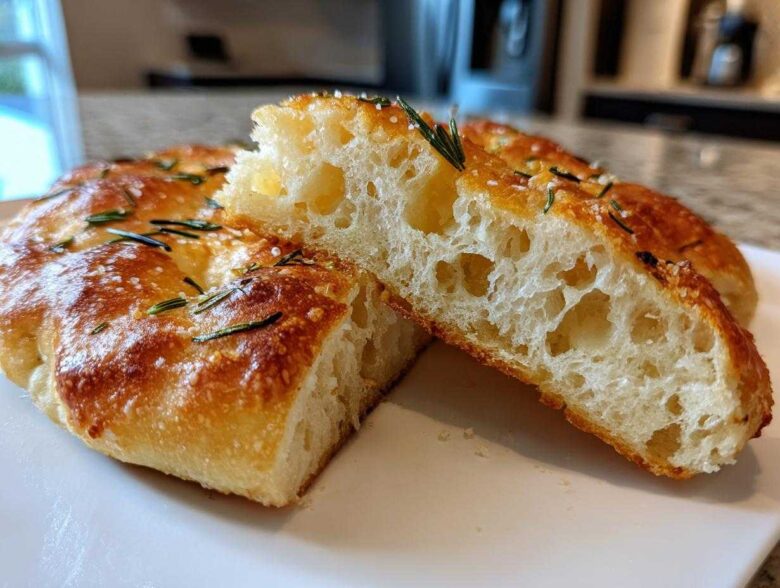
Okay, let’s talk bread. If you think making real, crusty, flavorful bread needs endless kneading and wrestling a sticky mess, you are completely wrong. Seriously, toss that elbow grease out the window! I used to think I wasn’t a “bread person” until I discovered the miracle of a hands-off dough you just leave alone. This No-Knead Skillet Focaccia with Rosemary is my lifeline on busy weeks.
This recipe takes your boring flour, water, and yeast and turns it into something rustic and amazing with almost zero effort from you. We cook it right in the oven-safe skillet, which is the secret to that gorgeous, deep brown, crispy bottom crust. I first made this when I completely forgot to thaw pizza dough for dinner, and honestly, I haven’t looked back. Grab your bowl and let’s get this ancient dough magic started!
If you want to see how good dough can get with just letting time do the hard work, you should check out my easy no-knead artisan bread recipe too—it follows a similar philosophy!
Why This No-Knead Skillet Focaccia with Rosemary Works So Well
Honestly, the whole reason I adore this bread so much is that the dough does all the heavy lifting! You mix it up, walk away for 18 hours, and come back to perfection. It’s the easiest way to get that intensely flavored, totally satisfying loaf you dream about. If you’re looking for truly Easy Homemade Focaccia, this is your keeper.
Here is exactly why setting it and forgetting it pays off big time:
The Magic of Long, Slow Fermentation
When you skip the kneading—and trust me, we skip it!—you rely on time to build the structure. That 12 to 18-hour rest lets the yeast slowly work its magic. It develops deep, tangy flavors that you just can’t rush, creating an open, chewy crumb without ever having to punch or fold the dough once. It’s bread science made simple!
Achieving a Crispy Bottom with Skillet Baking Techniques
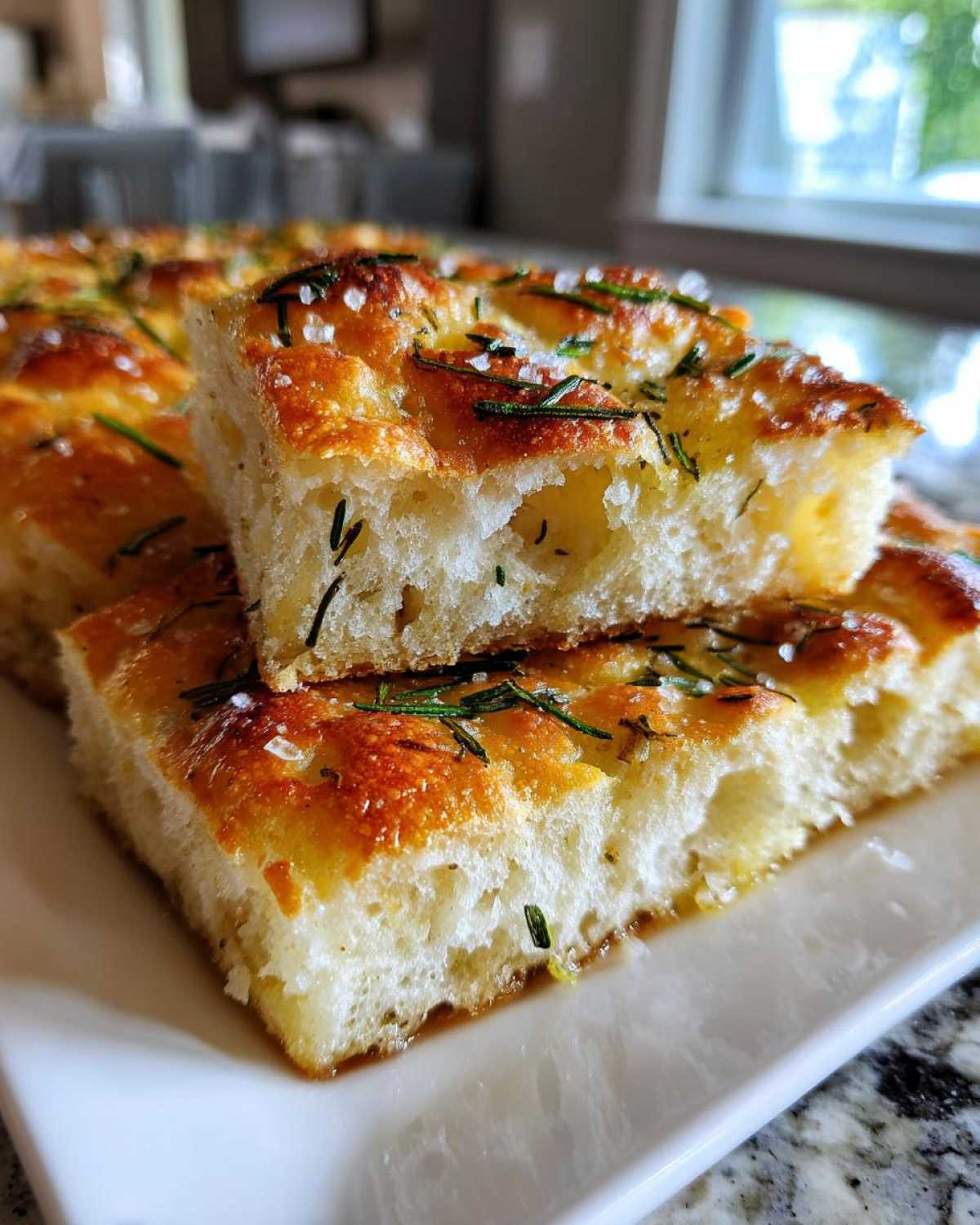
Forget flat, floppy bottoms. Because we start the cooking process directly on the stovetop in that oiled skillet, we get an immediate, intense sear on the base. These Skillet Baking Techniques transform the bottom into a shatteringly crisp crust that perfectly contrasts the soft, oily, herby top. It’s that texture contrast that makes you reach for another slice!
Gathering Ingredients for Your No-Knead Skillet Focaccia with Rosemary
Okay, gather your gear! Even though this is the “no-knead” version, which is fantastic for my lazy baking days, the ingredients themselves are super important. We need quality stuff here, especially the olive oil, because it hydrates the dough and then becomes part of the crust! You absolutely must nail the water temperature—we’re aiming for that sweet spot between 105 and 115°F to wake up that instant dry yeast gently. Don’t just eyeball it; warm water matters here!
Remember, we use a significant amount of oil in the dough and then even more for that hot skillet. If you’re looking for something amazing to dip this in later, you have to try my easy garlic butter recipe—it’s just divine with this bread.
Ingredient Specifics and Substitutions for Rosemary Herb Bread
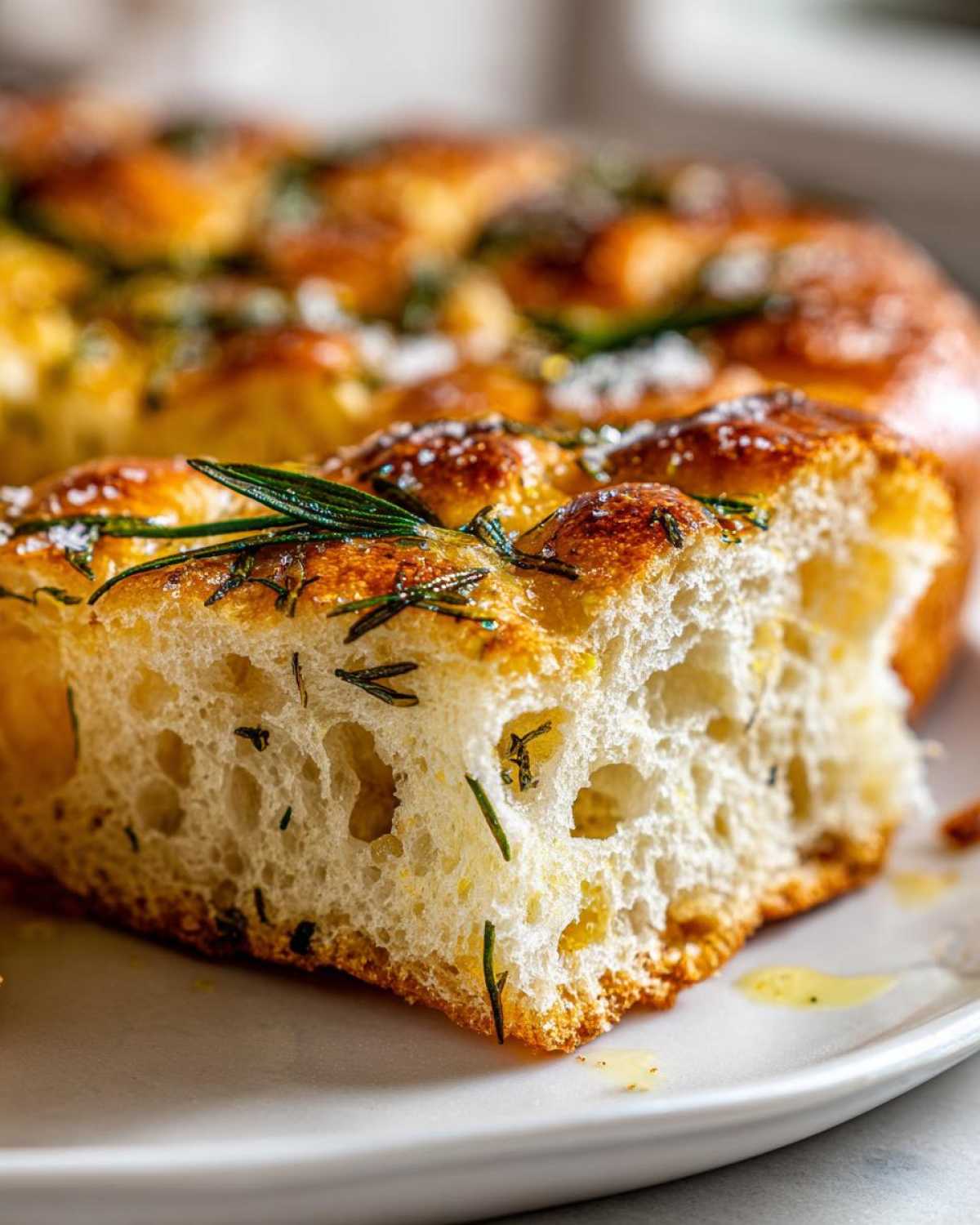
The flavor hero here is, obviously, the rosemary! If you can get fresh rosemary, please do it. Chop about two big tablespoons finely. If you are stuck with dried stuff, you have to cut back a little—use only one tablespoon of dried rosemary because those dried needles pack way more punch. We want aromatic, not overwhelming. For the topping salt, use coarse sea salt, not the fine stuff you cook with. Those crunchy little crystals stay on top and give you that wonderful little pop of texture when you bite into the Rosemary Herb Bread.
We stick to all-purpose flour which is perfect for this structure. And please, use good quality olive oil. It’s a main flavor component, so skip the cheap, grassy stuff when possible.
Step-by-Step Instructions for No-Knead Skillet Focaccia with Rosemary
Alright, here’s where the patience pays off! This is the easy part, but you have to trust the process, especially those rest times. When you mix this, it will look awful—shaggy, weird, and totally unappealing. Stick with it! You are trying to *combine* ingredients, not build gluten structure yet. If you’re using a cast iron pan, like I do for that perfect crust—check out my skillet cornbread guide for pan prep tips—make sure it’s seasoned well before you start!
Mixing the Dough and the Long Rest Period
In one bowl, whisk your flour, yeast, and salt together. Then, dump in the warm water and that 1/4 cup of olive oil. Using a wooden spoon—no stand mixer needed here!—just mix it until you can’t see any more dry streaks. It should look like a messy, wet blob. I mean it: **Do not knead**! Seriously, stop trying to work it. Cover that bowl tightly, maybe with a lid or plastic wrap, and leave it alone for 12, 14, 18 hours—whatever fits your schedule. When you check it the next day, it should have doubled, smell slightly yeasty, and be totally covered in bubbles. That’s how you know the flavor is deep!
Preparing the Cast Iron Focaccia for Baking
The next morning, grab that 10-inch oven-safe skillet. You need to be generous with the oil in the bottom—we want the dough to essentially swim in olive oil for that crisp factor. Gently coax the bubbly dough out of the bowl and plop it right into the center of your oiled iron. Now, use oil on your fingers—this prevents sticking—and gently press and dimple the dough outward until it fills the pan. Don’t push too hard; we don’t want to pop all those air pockets! Sprinkle that chopped rosemary and the coarse sea salt all over the top. Then, just let it sit on the counter, uncovered, for about 30 minutes while your oven heats up to 425°F.
The Dual-Heat Baking Method for Perfect No-Knead Skillet Focaccia with Rosemary
Here’s the non-negotiable step for that incredible bottom crust! Once the oven is hot, put the skillet right onto the stovetop over medium heat for exactly 5 minutes. This jump-starts the crust formation. I find that if I heat it aggressively for 5 minutes, the bottom gets dark brown and crackly without burning the top. After those five minutes are up, immediately transfer the whole skillet into your hot oven for the remaining 20 to 25 minutes until the top looks golden and beautiful. As soon as it comes out, you must wrestle it out of that hot pan onto a cooling rack immediately, or the bottom will steam and get soggy!
Tips for Success with Your No-Knead Skillet Focaccia with Rosemary
Even though this is practically foolproof bread, sometimes things go a little sideways, right? That’s okay! Since we aren’t kneading, we rely totally on our yeast and the environment, so temperature control is our best friend here. Don’t panic if things look weird—this is bread, not rocket science. These little adjustments make all the difference when you’re starting out with Beginner Bread Baking.
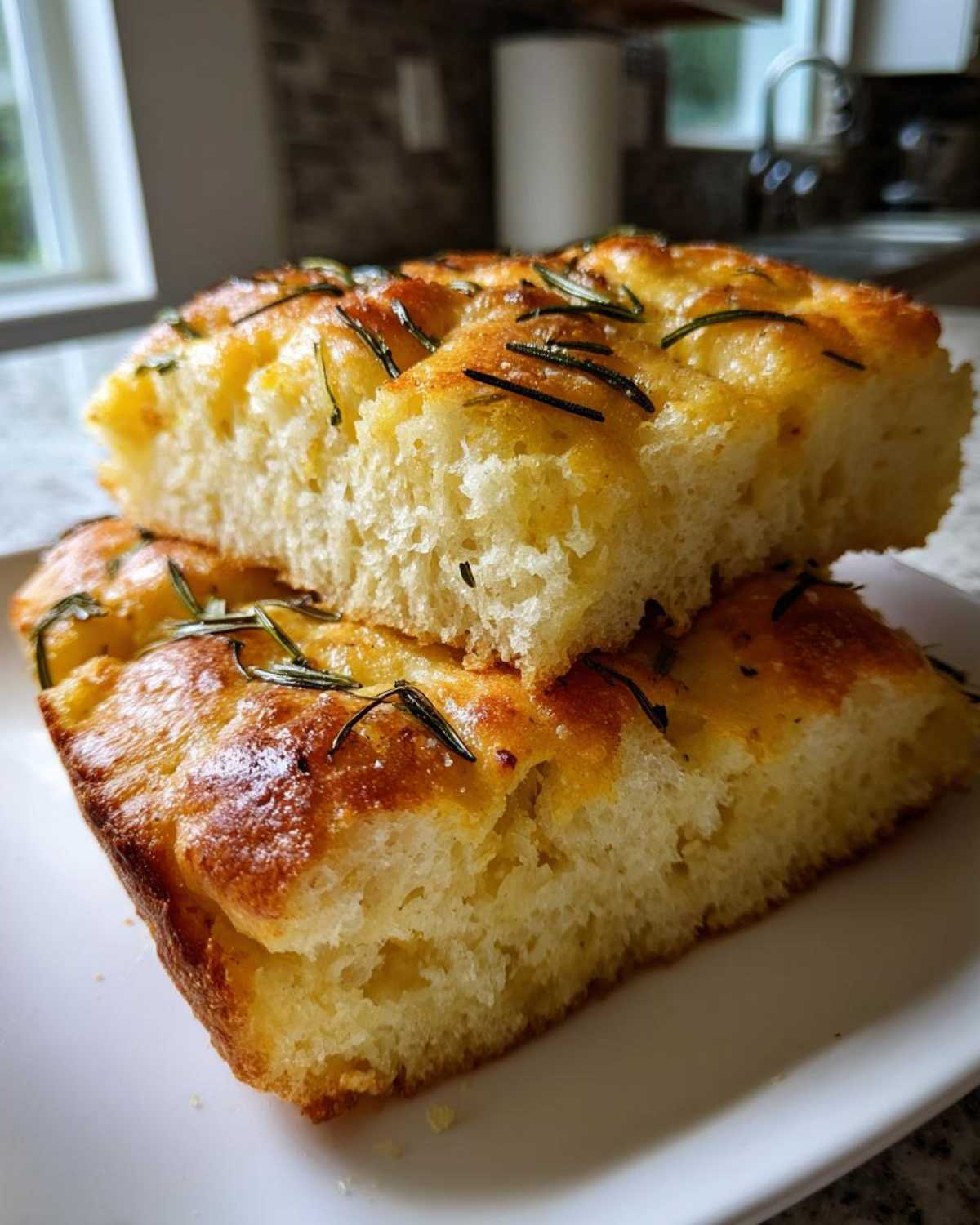
If you’ve got leftovers and want to reheat them later, I usually give mine a quick 5 minutes in a 350°F oven. If you like softer bread overall, just skip the stovetop heating step entirely and place the oiled, topped dough straight into the oven. It won’t have that shatteringly crispy bottom, but it will be soft and pillowy—a whole different kind of delicious!
Troubleshooting Common Issues in No-Knead Bread Baking
The absolute biggest issue I see people run into is a dough that just sits there looking sad after 18 hours—no rise, no bubbles. Nine times out of ten, that means your water was either too cold, which puts the yeast to sleep, or your yeast was too old. If you suspect your yeast, try proofing it separately in the warm water with a pinch of sugar before mixing anything else in. If it doesn’t get foamy in 10 minutes, toss it and grab a fresh packet! Also, if you find you love making quick doughs, check out my recipe for soft pretzel bites; they use a similar quick-rise concept!
Serving Suggestions for Rustic Italian Bread
This bread is so versatile, it almost feels wrong just eating it plain! But trust me, when it comes straight out of the oven, you’ll want to slather it immediately. If you’ve gone heavy on the rosemary and sea salt, it’s just outstanding dipped straight into good quality olive oil, maybe with a splash of balsamic vinegar if you’ve got it. It’s the perfect carrier for soups! It totally soaks up the broth from my favorite zuppa toscana without falling apart.
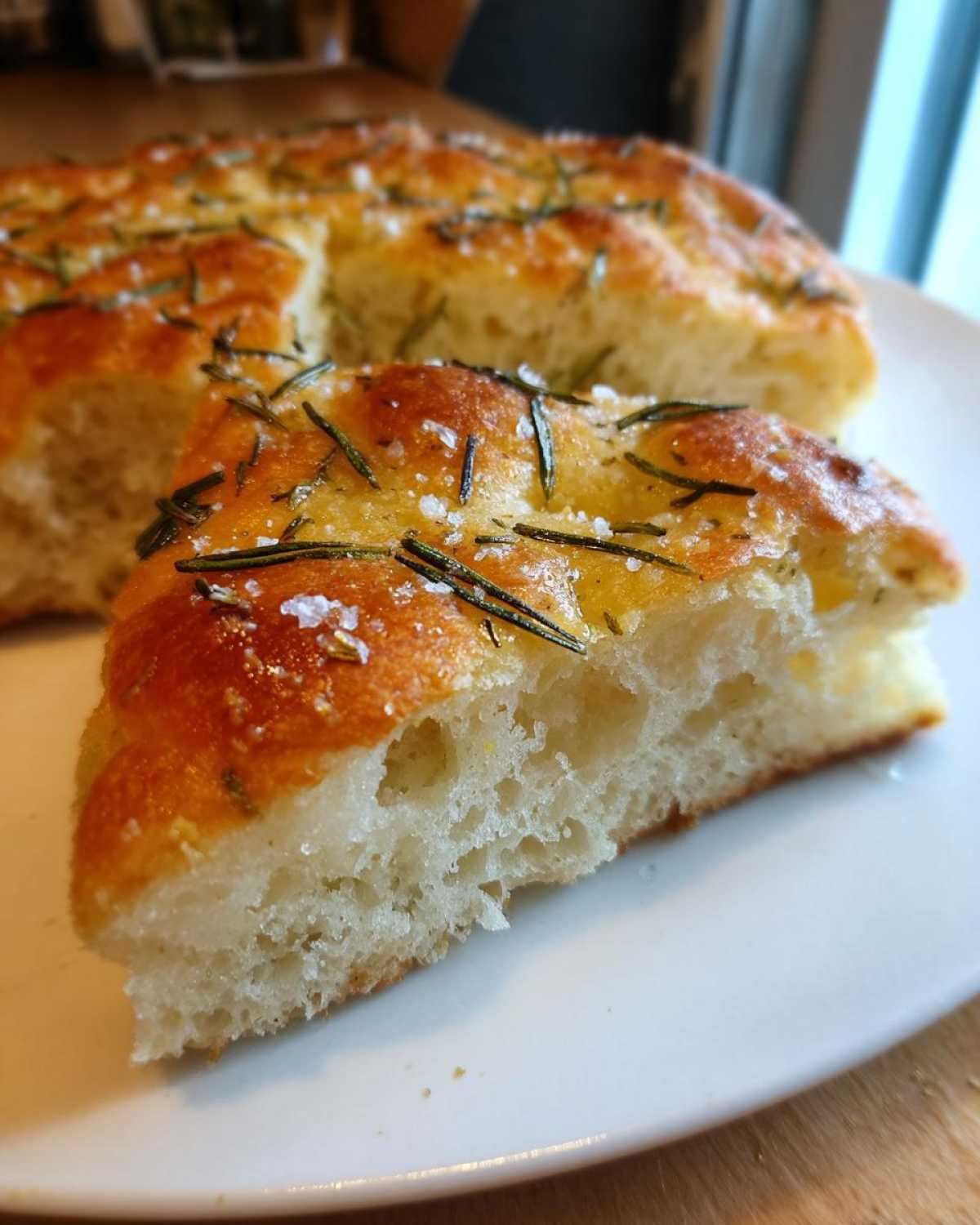
For a quick lunch, slice it open horizontally, drizzle more oil, and pile on some fresh mozzarella and sliced tomatoes. It makes the best open-faced sandwich you’ve ever had. This Rustic Italian Bread really sings when it’s paired with something savory and comforting!
Storage and Reheating Instructions for Leftover No-Knead Skillet Focaccia with Rosemary
I always hope there are leftovers, but let’s be real—this bread disappears fast! You want to keep it fresh for a couple of days, but please, keep it out of the fridge if you can. Cold air is the enemy of soft bread; it makes it stale super quick. Store any leftovers loosely wrapped in a paper bag on the counter for up to two days. If you must save it longer, wrap it tightly in plastic wrap, but know you’ll need that reheat trick!
To bring back that skillet magic, just pop a slice directly on a baking sheet at 350°F for about 6 to 8 minutes. You should hear that bottom crust sizzle again. That’s the sound of success!
Frequently Asked Questions About Skillet Bread Recipes
I get so many questions about this bread because the process feels a little bit like cheating! It’s all about managing expectations, especially when you swap out the regular rising time for a long rest. If this is your first time trying a no-knead dough, these answers should help you feel super confident before you even mix the bowl. These tips really apply to all your Skillet Bread Recipes!
Can I make this No-Knead Skillet Focaccia with Rosemary dough overnight?
Yes, absolutely! That’s my favorite way to do it. The recipe calls for 12 to 18 hours, which means you can mix it up right before bed, let it sit on the counter overnight while you sleep, and then wake up to perfectly proofed dough ready for the skillet. It’s the ultimate Overnight No Knead Dough hack. Just make sure your kitchen isn’t drafty or too cold, otherwise, it might need the full 18 hours!
What is the best skillet size for this recipe?
I developed this recipe specifically for a 10-inch oven-safe skillet, usually cast iron. Why 10 inches? Because that size gives us the perfect balance! If you use a very small skillet, say 8 inches, your dough will stack up too high, and the center won’t cook through before the top burns because it’s so thick. If your skillet is too big, like 12 inches, the dough spreads too thin, and you won’t get that lovely, airy internal crumb.
If you want a slightly thinner, crispier loaf that cooks a tiny bit faster, you can use a 12-inch skillet, but be sure to keep an eye on the baking time! I’m learning more about different doughs all the time, like when I was figuring out how to make my homemade naan bread!
Estimated Nutritional Data for No-Knead Skillet Focaccia with Rosemary
Now, I’m sure some of you are looking at this heavenly, oily bread and wondering if you should even ask about the numbers, but knowledge is power, right? You need to remember that these calorie counts are based purely on the ingredients listed in the recipe—flour, yeast, salt, water, and that generous amount of olive oil—and are divided across 8 servings. It’s bread, so it has some heft, especially the fat content from the oil we use for flavor and that amazing crust!
For the sake of honesty, this is just an estimate, but it gives you a general idea of what you’re enjoying. For things like homemade bread, the exact sodium or carbohydrate count changes slightly depending on the brand of flour or the exact amount of oil you use on top. If you are watching your sodium, be sure to dial back the coarse sea salt you sprinkle on before baking!
Here is the breakdown per slice (and yes, I’m ignoring the cholesterol because zero!):
- Serving Size: 1 slice
- Calories: 280
- Sugar: 1 gram (wow!)
- Sodium: 450 mg
- Fat: 11 grams
- Carbohydrates: 40 grams
- Protein: 7 grams
Share Your Experience Making This Easy Homemade Focaccia
I really, truly hope you loved making this! Stepping away from traditional bread recipes and just letting time work its magic is such a game-changer, isn’t it? I spent so many years thinking I needed to be a master baker, but this No-Knead Skillet Focaccia with Rosemary proves that simple ingredients, treated right, make all the difference.
So, once you’ve pulled that crispy, herby bread out of the skillet? I desperately want to know what you think! Did you go heavy on the rosemary? Did you manage to keep your fingers off it until it cooled completely (I never do!)? Please drop a rating below—five stars if it made your weeknight dinner feel like a trip to Italy! And if you’re keen to show off your bubbly dough or that beautiful dimpled top, tag me on social media!
I’m always adding new things over on the main blog page, so come back soon for more recipes that are big on flavor and small on fuss. Happy baking, friend!
PrintEasiest No-Knead Skillet Focaccia with Crispy Rosemary Crust
Make flavorful, rustic focaccia bread using a simple no-knead dough cooked directly in a skillet for a crisp bottom crust.
- Prep Time: 10 min
- Cook Time: 25 min
- Total Time: 13 hours 5 min
- Yield: 8 servings
- Category: Bread
- Method: Baking
- Cuisine: Italian
- Diet: Vegetarian
Ingredients
- 3 cups all-purpose flour
- 1 teaspoon instant dry yeast
- 1 1/2 teaspoons salt
- 1 1/2 cups warm water (about 105-115°F)
- 1/4 cup olive oil, plus extra for drizzling
- 2 tablespoons fresh rosemary, chopped
- 1 teaspoon coarse sea salt, for topping
Instructions
- In a large bowl, whisk together the flour, yeast, and salt.
- Add the warm water and 1/4 cup of olive oil to the dry ingredients. Mix with a wooden spoon until just combined into a shaggy dough. Do not knead.
- Cover the bowl tightly with plastic wrap and let the dough rest at room temperature for 12 to 18 hours, or until it has doubled in size and is very bubbly.
- Lightly grease a 10-inch oven-safe skillet (cast iron works well) with a generous amount of olive oil.
- Gently scrape the dough out of the bowl and place it into the prepared skillet. Pour a little more olive oil over the top.
- Use oiled fingers to gently dimple the dough all over, stretching it slightly to fill the bottom of the skillet.
- Sprinkle the chopped rosemary and coarse sea salt evenly over the top of the dough.
- Let the dough rest in the skillet, uncovered, for 30 minutes while the oven preheats to 425°F (220°C).
- Place the skillet on the stovetop over medium heat for 5 minutes to start crisping the bottom crust.
- Transfer the skillet to the preheated oven and bake for 20 to 25 minutes, or until the top is golden brown.
- Carefully remove the focaccia from the skillet immediately after baking and let it cool slightly on a wire rack before slicing.
Notes
- For a softer crust, skip the 5-minute stovetop heating step and bake the entire time in the oven.
- You can substitute dried rosemary if fresh is unavailable, but use only 1 tablespoon.
- If you do not have an oven-safe skillet, transfer the dough to a greased baking pan after the initial rest period.
Nutrition
- Serving Size: 1 slice
- Calories: 280
- Sugar: 1
- Sodium: 450
- Fat: 11
- Saturated Fat: 2
- Unsaturated Fat: 9
- Trans Fat: 0
- Carbohydrates: 40
- Fiber: 2
- Protein: 7
- Cholesterol: 0