

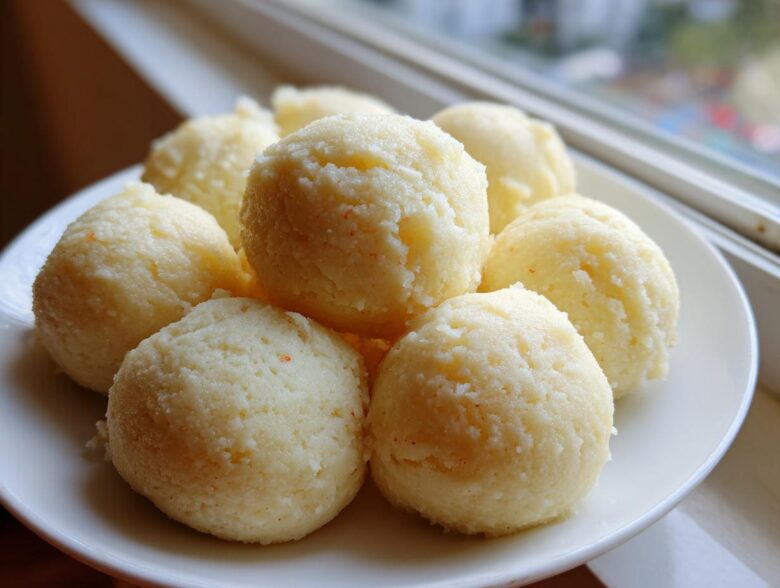
Oh, there is just nothing quite like a steaming bowl of your absolute favorite West African soup, right? But it feels incomplete without that perfect, smooth pillow of fufu to soak up all those incredible flavors. Seriously, for years, I struggled when I first tried making fufu at home; it was gummy, lumpy, or just plain hard! Don’t you worry about all that now. After what feels like decades perfecting this technique for this treasured African Staple Food, I finally landed on the best method. This specific Fufu Recipe uses a simple combination of cassava and plantain flour, making it wonderfully easy for absolute beginners. I share a bit more about the journey behind these traditional recipes on my ‘About Me’ page! Trust me, you are going to nail this on your first try!
Why This Easy Cassava and Plantain Fufu Recipe Works for Beginners
Look, pure yam fufu is wonderful, but honestly, pounding it can feel like a workout you didn’t sign up for! That’s why I love this blend. Using pre-milled flours is one of our favorite Easy African Recipes tricks that really sets this method apart. If you’re trying Fufu for Beginners, this mix gives you room to breathe and learn the technique.
- It cooks faster than traditional pounded yam.
- The mix prevents that horrible, overly sticky texture sometimes found with pure starchy options.
- You get the authentic texture without the intense manual labor.
Understanding the Ingredients for Smooth Fufu
The cassava flour is your heavy lifter here—it provides that classic, slightly chewy body we expect in our Soft Starchy Balls Recipe. The plantain flour, though—that’s the secret sauce for beginners!
Plantain flour helps keep the dough pliable while you are working and stirring it over the fire. It smooths out the heavy density you get from straight cassava, making it so much easier to achieve that beautiful, uniform consistency without lumps for your next Fufu Recipe.
Gathering Your Supplies for Authentic Fufu Instructions
Before we even turn on the stove, let’s talk about what you need to have ready in your kitchen. Having the right tools makes following these Authentic Fufu Instructions a breeze, cutting down on mess and frustration later. You don’t need a mortar and pestle for this version, thankfully!
You’ll want a sturdy saucepan—nothing flimsy that the thick dough can burn on the bottom. A reliable wooden spoon or a thick plastic spatula is absolutely essential for the stirring part; metal spoons sometimes clang too much against the pot, and you need something durable to handle the thickening consistency. Make sure you have a clean plate ready for shaping when it’s all done!
Ingredients for the Perfect Cassava Fufu and Plantain Fufu
Okay, let’s talk about what you need to pull this simple Fufu Recipe together. We’re keeping the base simple with equal parts flour—you need one full cup of cassava flour; sometimes, the bag will say ‘fufu mix,’ and that works perfectly fine too. Then, pair that with one cup of plantain flour. Don’t skimp on the flour itself; you want it finely ground for the smoothest results, reinforcing that it’s a great option for a Gluten Free African Dough!
We also need about three cups of water for the cooking process, and I always keep a tiny bit of salt in my back pocket, though it’s totally optional if you’re keeping things really natural. See how straightforward that is? It’s all about combining these basics correctly, which is where our next part comes in handy.
Ingredient Notes and Substitutions for Fufu
Don’t panic if you see one flour or the other is sold out at your local shop! While this recipe uses a 50/50 split—which is my go-to for that perfect texture—you can absolutely make it with just one type of flour. If you use only cassava flour, you’ll end up with a more traditional, slightly denser Cassava Fufu. Just be prepared; since it lacks the buffer from the plantain, you might need a little extra elbow grease when stirring later on!
Similarly, pure Plantain Fufu is delicious, but sometimes it can feel a bit slicker. The main thing here is making sure whatever flour you choose is super fine, like powdered sugar almost. That fineness is what helps you achieve those beautiful, lump-free Soft Starchy Balls Recipe we are aiming for today.
How to Make Fufu: Step-by-Step Stovetop Cooking
Alright, are you standing over the stove? Good! This is where the magic happens, but you cannot walk away—not for a single second! First, get your saucepan going with two cups of water and bring that up to a rolling boil. Once it’s bubbling nicely, turn the heat way down to low. This is crucial so that the flour doesn’t seize up instantly. Now, take your mixed flours and slowly start sprinkling them into the water while you stir like your life depends on it with that sturdy wooden spoon. I mean it—stir vigorously to immediately smash any clumps that try to form!
Once all the flour is incorporated and you have a thick, messy, somewhat lumpy paste, it’s time for the rest of the water. Slowly trickle in that last cup of water while you keep stirring hard. We are essentially cooking and kneading the starch right there in the pot. Keep working the mass against the side of the pot for a solid 5 to 10 minutes until your fufu dough starts looking smooth and uniform, like a very thick mashed potato. Once you stir in the optional salt, cover that pot and let it just sit there and steam for five minutes—this finishes the texture perfectly. You won’t believe how great this is when paired with a hearty dish like Egusi Soup! If you need that soup recipe next, let me know and I’ll send you the link to my contact page for suggestions!
The Critical Kneading Stage for Your Fufu Recipe
This kneading part in the pot is non-negotiable if you want real results! Once the dough is looking mostly unified, that’s when you really need to put some effort in. Push that heavy dough mass against the side of the pot repeatedly, almost folding it over itself. This rapid stirring and pressing smooths everything out for the ultimate Fufu Recipe.
Here’s one of my favorite little hacks to save your arm: Keep a small bowl of water nearby and dip your mixing spoon or spatula into it frequently! The water stops the sticky dough from adhering everywhere, making it way easier to work through the final stiff stage. Keep going until you can’t find any grainy bits—that’s when you know your Fufu is truly ready to be served.
Shaping and Resting Your Soft Starchy Balls Recipe
Once it’s perfectly smooth and off the heat, scoop out the warm dough. You need to shape it quickly because it sets up fast! Grab a clean plate and slightly dampen your hands—or, seriously, use a piece of plastic wrap over your hands if you are nervous about the sticking! Roll the dough into neat little balls. They look so professional when they are perfectly round, which definitely fits the look for beautiful West African Cuisine.
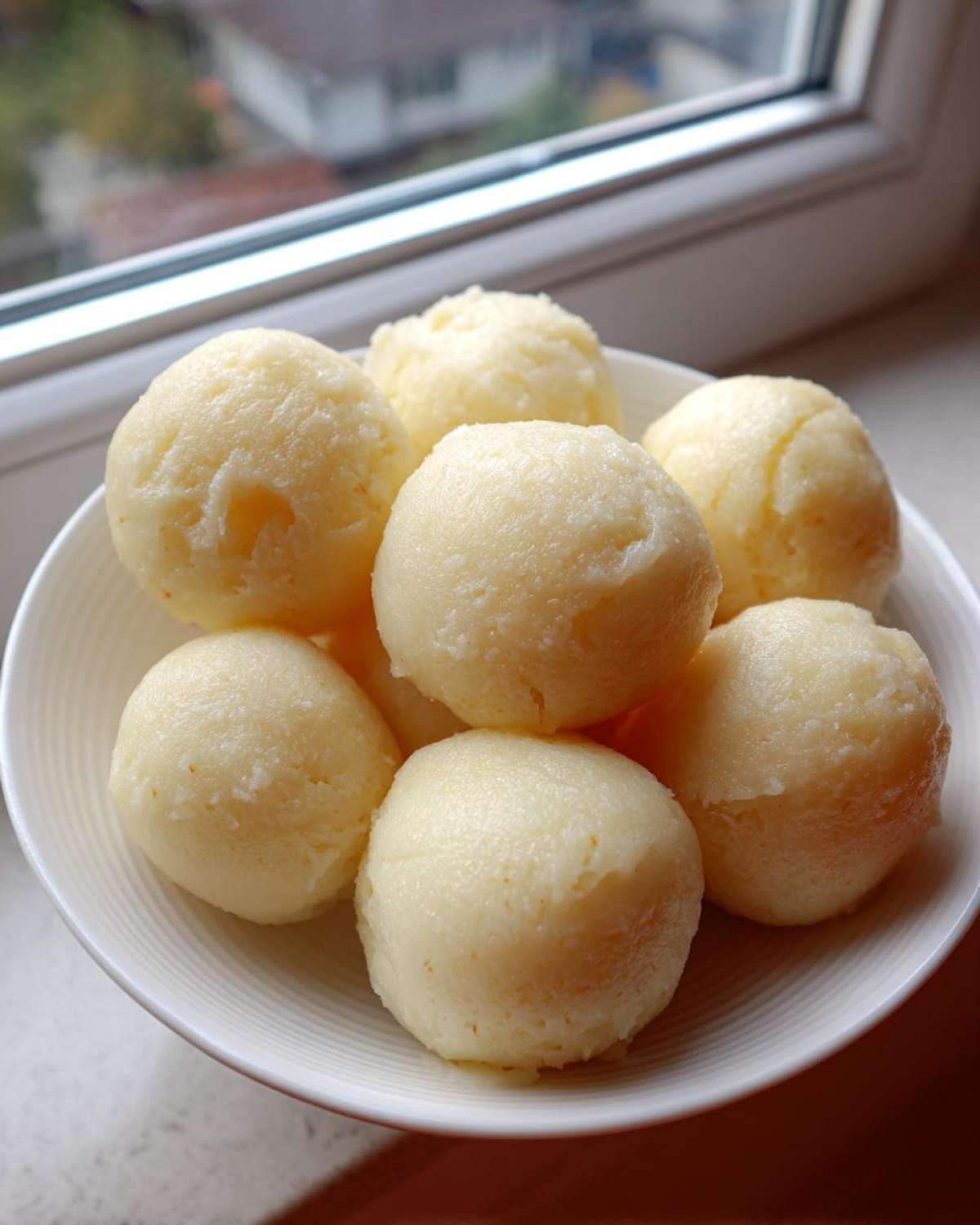
After shaping, just let them sit on that plate for maybe two minutes while they firm up just a tiny bit more. They should be tender but firm enough to hold their shape when dipped into your stew. That resting time is fast, but trust me, it helps set that beautiful final texture for your Soft Starchy Balls Recipe.
Serving Suggestions for Your Traditional African Dish
Okay, now you have the smoothest fufu imaginable, but what do you eat with it? This beautiful, soft dough is the perfect vehicle for rich, flavorful sauces. You absolutely cannot eat this by itself; it demands a savory partner, and that’s where the fun begins!
When I make this batch, my family instantly asks for Nigerian Egusi Soup—that melon seed stew is just heavenly scooped beside these fluffy balls. Okra soup is another fantastic choice when the weather is warm. These are prime Fufu Serving Suggestions that really show off this Traditional African Dish.
Really, anything with a good, thick stew consistency works perfectly because the dough is designed to absorb all those juices. Don’t forget to prepare a delicious side of peppered meat or fish to go along with whatever soup you choose!
Storage and Reheating Instructions for Leftover Fufu
You know, the hardest part about making amazing fufu is trying not to eat it all in one sitting! While this African Staple Food is genuinely best eaten piping hot right off the stove, sometimes life happens, and you have leftovers. If that happens, don’t panic!
Wrap any extra portions tightly in plastic wrap or put them in an airtight container right away. It should last okay in the fridge for about two days, but honestly, it gets a bit firmer as it chills. It won’t be as perfectly smooth as when you first made it, but we can fix that easily.
To revive it, just put your cold fufu balls back into a pot. Add just a tablespoon or two of water. Cover it tightly and let it steam on very low heat for about five to eight minutes. When you take the lid off, use your wet wooden spoon to stir and knead it again until it softens up. It comes right back to life!
Frequently Asked Questions About Making Fufu at Home
I know when you’re getting into a new dish, especially authentic West African food, a few sticking points always pop up. That’s why I wanted to quickly tackle some common questions people have when they are trying out these Easy African Recipes for the first time. Hopefully, this saves you some troubleshooting!
Can I use only cassava flour for my Fufu Recipe?
Yes, you absolutely can! If you want 100% pure Cassava Fufu, just skip the plantain flour and use two full cups of cassava flour with your water. Just remember what I said earlier: you’ll need to stir and knead a bit longer and more vigorously because you won’t have that little boost of pliability from the plantain. It makes for a fantastic, slightly firmer side dish!
What should I do if my fufu turns out too sticky, even after kneading?
Oh, the sticky monster! Don’t let that defeat you—it happens to the best of us when Making Fufu at Home. If it’s actively sticking to everything even after you think it’s done, take it off the heat, add just a tiny sprinkle of your flour mix (maybe a tablespoon), and work it in quickly. If that doesn’t help, add a little more hot water and stir really aggressively to redistribute the starch. Keeping your shaping tool (spoon or hands) constantly wet is your best ongoing defense against sticking!
What is the difference between fufu and banku?
That’s a great question about different kinds of Gluten Free African Dough! Basically, the difference is in the base ingredient and the fermentation. Fufu (especially our version) uses cassava or plantain flour mixed with hot water and served fresh. Banku, on the other hand, is made from a fermented corn and cassava dough. It has a distinct, slightly sour taste that Fufu doesn’t have. They look similar when served, but the flavor profile is quite different for these two wonderful side dishes!
Do I need to use salt in the recipe?
Not at all! Salt is completely voluntary when making your Soft Starchy Balls Recipe. Since this is designed to soak up savory soups and stews, most people skip the salt entirely because the soup already provides the seasoning. I only add a tiny pinch out of habit, but when you’re starting out, leave it out until you taste it with your favorite soup. Always check our terms if you have questions about recipe variations!
Nutritional Estimates for This Fufu Recipe
Now, I always like to be transparent about what we’re eating, even though this is real comfort food! These numbers are just estimates based on using the cassava and plantain flour mix for this recipe, so they are designed to give you a general idea of what you’re getting with each ball.
For one serving ball of this amazing fufu, we’re looking at about 250 calories. It is wonderfully low in fat—barely half a gram! The carbs are the main star here, clocking in around 58 grams to give you that energy boost you need to enjoy your big bowl of soup. Remember, these values are estimates, so please check our official disclaimer if you have strict dietary requirements!
Share Your Experience Making This Comfort Food Africa Side Dish
So, that’s it! You’ve successfully conquered fufu! I truly hope this easy recipe becomes a regular staple in your home. Did this turn out as smooth as you hoped? Please drop a comment below and tell me what soup you paired it with! Rate this recipe and don’t forget to share your beautiful, starchy balls with us on social media. If you have any serious policy questions, check out our privacy policy, but otherwise, let’s talk food!
PrintEasy Cassava and Plantain Fufu Recipe

Learn how to make smooth, traditional Fufu using a mix of cassava and plantain flour. This recipe is simple for beginners and results in the perfect starchy side for your favorite African soups.
- Prep Time: 5 min
- Cook Time: 15 min
- Total Time: 20 min
- Yield: 4 servings
- Category: Side Dish
- Method: Stovetop Cooking
- Cuisine: West African
- Diet: Vegan
Ingredients
- 1 cup cassava flour (or fufu mix)
- 1 cup plantain flour
- 3 cups water
- 1/2 teaspoon salt (optional)
Instructions
- Combine the cassava flour and plantain flour in a medium bowl. Mix them well.
- Place 2 cups of water in a medium saucepan and bring it to a boil over medium-high heat.
- Reduce the heat to low. Slowly pour the flour mixture into the boiling water while stirring constantly with a wooden spoon or spatula.
- Continue stirring vigorously to break up any lumps. The mixture will thicken quickly into a stiff dough.
- Add the remaining 1 cup of water slowly, continuing to stir and knead the dough against the side of the pot until it is smooth and uniform. This process takes about 5 to 10 minutes of constant stirring.
- If you are using salt, stir it in now.
- Remove the Fufu from the heat. Cover the pot and let it steam for 5 minutes.
- Remove the Fufu and place it on a clean plate. Use a smooth, wet spoon or plastic wrap to shape the Fufu into smooth, round balls.
- Serve immediately with soup or stew.
Notes
- You can substitute all cassava flour for a pure Cassava Fufu, or use only plantain flour for Plantain Fufu.
- Keep your mixing spoon or spatula slightly wet to prevent the dough from sticking during the kneading process.
- Fufu is best eaten immediately after preparation.
Nutrition
- Serving Size: 1 ball
- Calories: 250
- Sugar: 1
- Sodium: 5
- Fat: 0.5
- Saturated Fat: 0
- Unsaturated Fat: 0.5
- Trans Fat: 0
- Carbohydrates: 58
- Fiber: 3
- Protein: 2
- Cholesterol: 0