

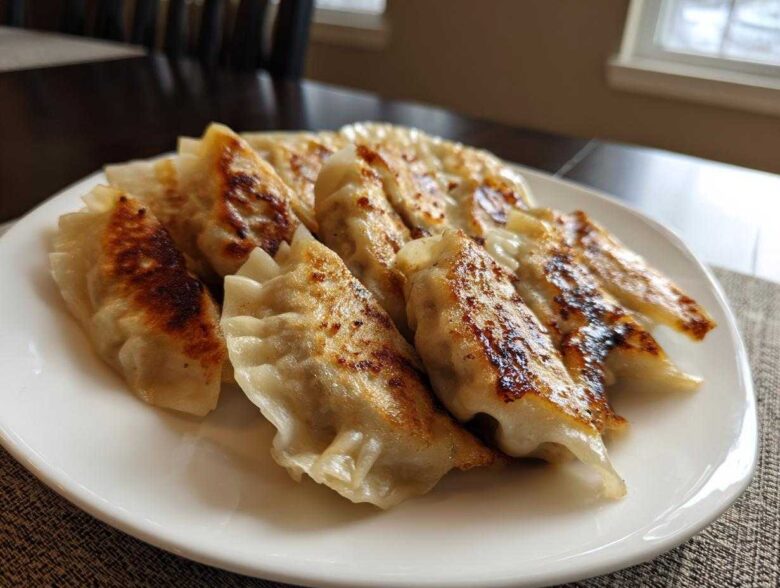
There is just nothing on this earth that beats the pure, deep comfort of a freshly made dumpling, is there? I remember Chloe and I ordering takeout constantly because the idea of making something like Traditional Chinese Dumplings felt impossible—a complicated, professional-level task. Well, guess what? We were totally wrong! We spent ages testing and messing around in our tiny kitchen until we cracked the code for the absolute best, most authentic Jiaozi. I’m Mia, and I promise, the steps ahead will take you from kitchen disaster zone to dumpling master. If we can conquer the folding, you absolutely can too! You can read more about our messy start over at our About Us page. Grab your apron, let’s get rolling!
Why This Authentic Chinese Dumpling Recipe Works for Everyone
I know the thought of making dumplings from scratch can seem scary, but trust me on this one moment: this Authentic Chinese Dumpling Recipe is built for real life. We made sure every step is crystal clear so you avoid the sticky messes Chloe and I used to make. This recipe uses simple ingredients to create flavor that tastes like it came straight from a bustling kitchen in Beijing, not our normal weeknight rotation!
- Quick assembly time once the dough rests.
- Reliable, cohesive filling that won’t fall apart when cooking.
- Clear instructions for both boiling and pan-frying methods.
Recipe Snapshot: Prep Time, Cook Time, and Yield
Here are the vital stats so you can plan your cooking session. This recipe is surprisingly fast once you get into the rhythm!
- Prep Time: 45 minutes
- Cook Time: 15 minutes
- Yield: About 40 wonderful dumplings!
Gathering Supplies for Perfect Traditional Chinese Dumplings
Okay, before we dive into the beautiful, savory pork and cabbage filling, let’s talk tools. You don’t need a fancy dedicated steamer basket or anything intimidating! Think basic kitchen staples. Having everything ready means the actual process of wrapping goes so much smoother, and you’ll be dealing with less chaos when the dough is ready.
Essential Equipment for Homemade Jiaozi Instructions
For these Homemade Jiaozi Instructions, pull out your sturdy mixing bowls—you’ll need one for the dough and one for the massive filling batch. A good rolling pin is seriously helpful for getting those wrappers thin, but if you don’t have one, carefully use a clean wine bottle! And for cooking, you just need a large pot for boiling or a big, non-stick skillet if you plan on making potstickers.
Ingredients for the Best Chinese Dumpling Filling Ways
Now for the heart of the operation: the filling! This mixture is what captures that classic, savory feeling you look for in Traditional Chinese Dumplings. Chloe and I nearly laughed when we realized how simple the core flavors are, but the technique for prepping them makes all the difference. Don’t just toss things in a bowl; we need structure here!
- 1 3/4 cups all-purpose flour (This goes into the dough section later, but we list it here for reference!)
- 1/2 cup hot water (near boiling)
- 1/4 cup cold water
- 1 pound ground pork (we insist on medium-fat content—it keeps the filling juicy! Trust me, lean just dries out.)
- 1/2 head Napa cabbage, finely chopped
- 3 green onions, minced
- 1 tablespoon fresh ginger, grated
- 1 tablespoon soy sauce
- 1 teaspoon sesame oil
- 1/2 teaspoon white pepper
- 1/2 teaspoon salt
- 1 tablespoon vegetable oil (only needed if you choose to pre-cook the filling!)
Ingredient Notes and Substitutions for Traditional Asian Dumpling Recipe
The absolute most important thing you need to do before mixing anything is deal with that cabbage. After blanching it in boiling water for just one minute, you MUST squeeze every drop of water out. If you skip this, your filling will turn soupy, and you’ll have sad, waterlogged dumplings. For those who don’t eat pork, ground turkey works great in this Traditional Asian Dumpling Recipe, but you might need to add a little extra sesame oil for that richness.
How to Make Dumpling Dough From Scratch for Traditional Chinese Dumplings
Okay, this is where the magic starts! Forget buying those gummy store-bought wrappers; making your own dough for Traditional Chinese Dumplings is easier than you think. We use a fascinating little trick here: mixing the flour first with a half-cup of hot water—almost boiling! This scalds some of the flour, which is what makes the final wrapper so beautifully soft. Then, you add the cold water slowly until you can pull everything into a shaggy mess.
Don’t stop there! You have to knead this dough relentlessly for a solid 8 to 10 minutes. Chloe usually complains she’s building biceps, but I tell her that’s what’s creating the elasticity we need. It needs to feel smooth and springy under your hands. Once it passes the test, you wrap it up tight and let it chill out.
If you want to learn some other great beginner baking/cooking tips, swing by the blog section here!
Resting the Savory Chinese Dumpling Wrappers
Now, please, please, please do not skip this rest time. Thirty minutes minimum, covered tightly. Why? Because that resting period lets the gluten relax. If you try to roll out the dough right away, it fights you, snaps back, and you end up with raggedy wrapper edges—which absolutely ruins the experience of those perfect Savory Chinese Dumpling Wrappers. Letting it rest makes rolling out those thin discs later a total breeze.
Step by Step Chinese Dumpling Making: Filling and Shaping
Time to bring the dough and the filling together! First, we need that gorgeous pork and cabbage mix to be perfectly unified. When you combine the pork, the squeezed-dry cabbage, ginger, and seasonings, you absolutely must mix it vigorously—and I mean, in only ONE direction until it starts getting tacky and sticky. That cohesive texture is what keeps the filling together inside your Traditional Chinese Dumplings while it cooks. Don’t stop mixing just because it looks combined!
Next up is the rolling! Take your rested dough and chop it into four ropes, then slice those into little one-inch pieces. This part takes practice, honestly. You are aiming to roll each piece into a circle about three inches across, but here’s the secret: make the edges super thin—like translucent—while keeping the center a little bit thicker! That thicker center holds the teaspoon of filling you drop right in the middle. Lightly wet the edges with water before sealing them up.
Mastering Authentic Potsticker Folding Techniques
This is the part everyone gets nervous about, but don’t worry about perfection yet! The goal is just to seal it so the juices don’t escape. Hold the half-moon shape in your hand. Take one edge and start creating little pleats, pressing those pleats firmly against the flat side of the wrapper while sealing everything shut. If you’re making potstickers, you usually pleat only one side, leaving the back edge smooth. It’s okay if yours look a little rustic at first; they’ll still taste like heaven! These essential steps are part of the best Authentic Potsticker Folding Techniques.
Cooking Your Traditional Chinese Dumplings: Boiling vs. Pan-Frying
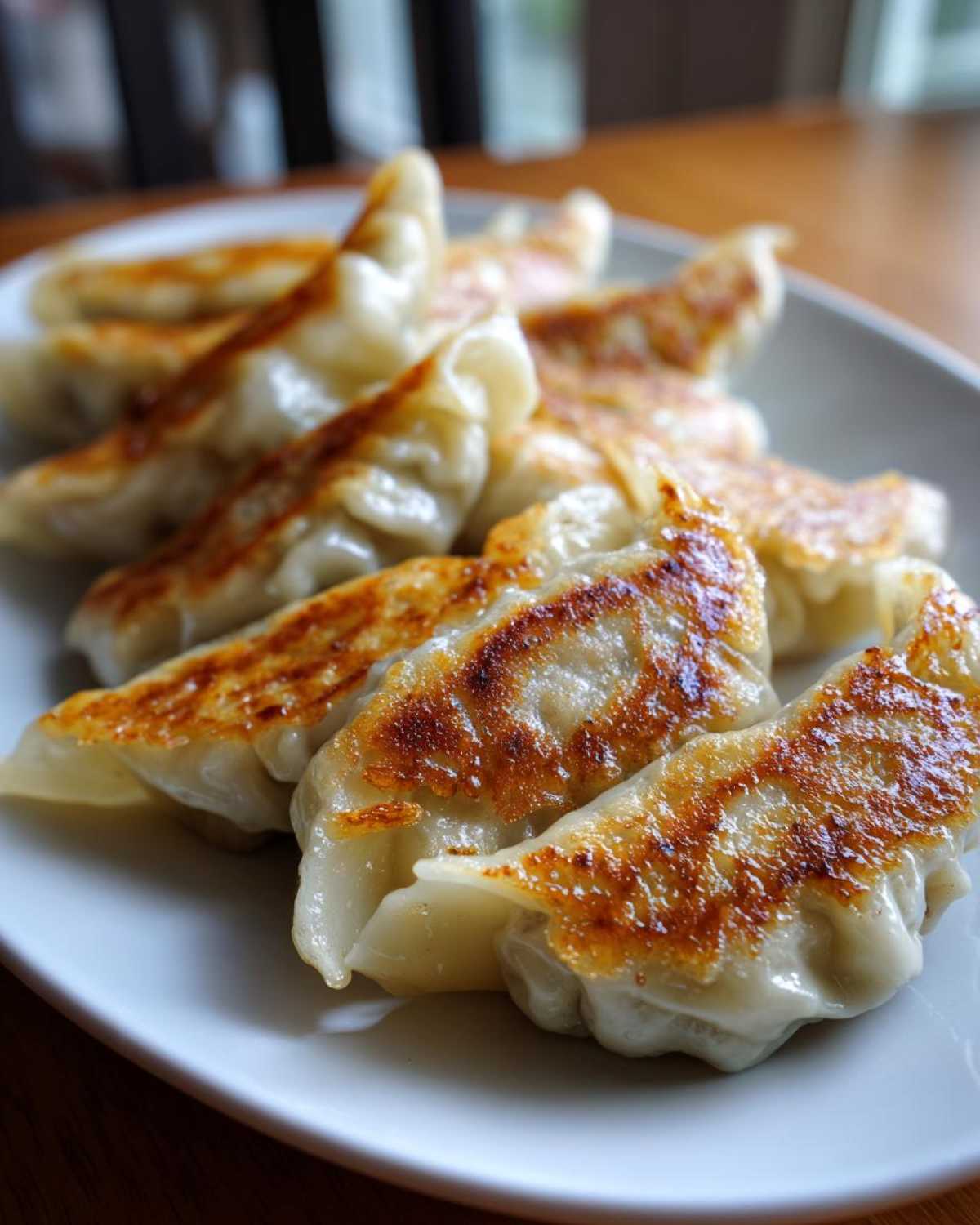
We’ve reached the best moment—cooking time! You have two fantastic options for your Traditional Chinese Dumplings, depending on what texture you’re craving. If you want the softest, classic Northern style, go for boiling. Drop them into rapidly boiling water, give them a gentle stir so they don’t cling to the bottom, and then here’s the fun part: when they finally float to the surface, add a splash of cold water. You repeat that “float, splash, repeat” two more times. That three-boil method is the real secret to making sure the filling cooks perfectly without the wrapper turning gluey.
If you are like Chloe, who needs that crispy bottom, you want to pan-fry them into perfect potstickers. You can check out a general guide on stir-frying techniques here: our usual stir-fry guide might give you some inspiration for high-heat cooking.
Tips for Perfect Pan Fried Dumplings
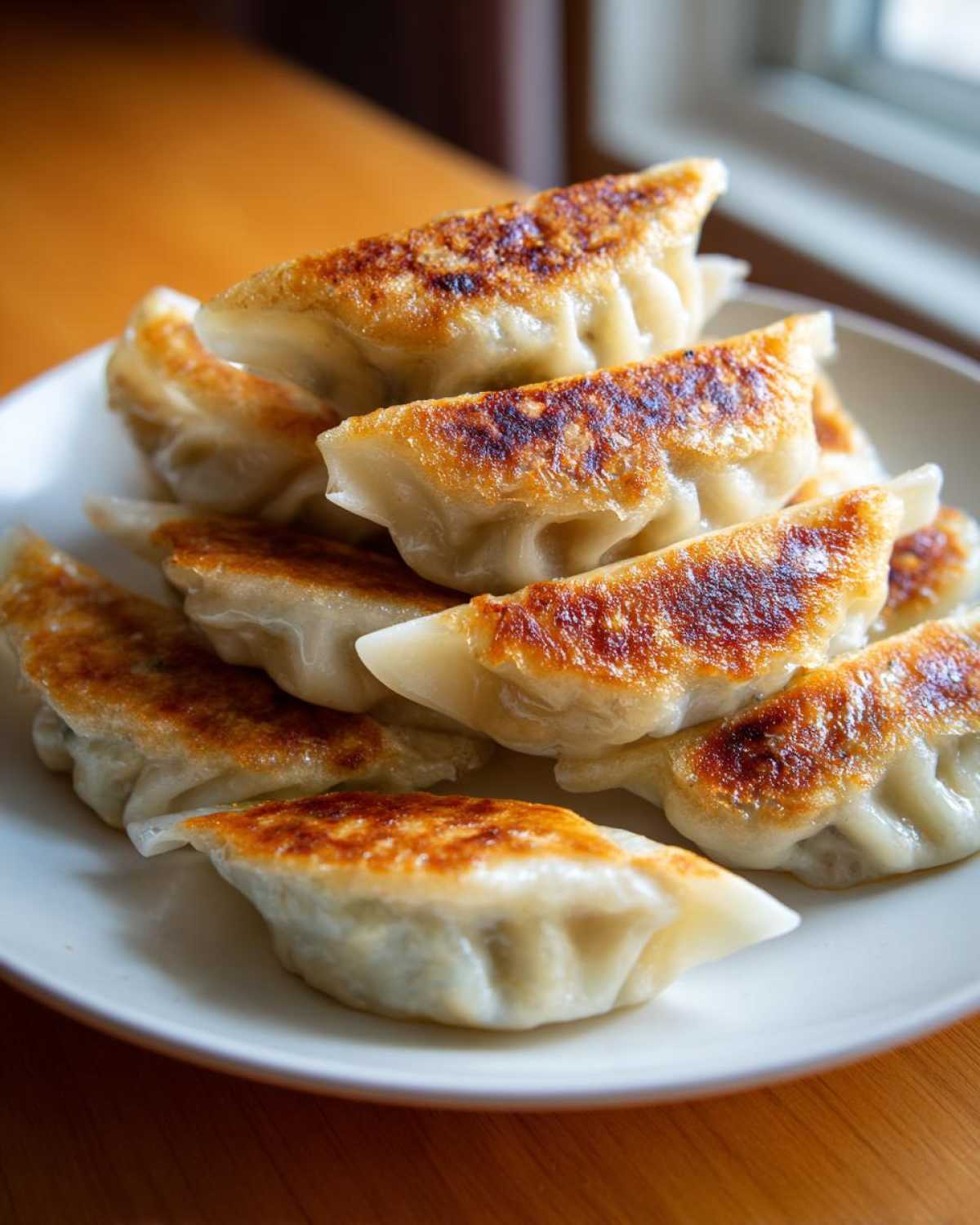
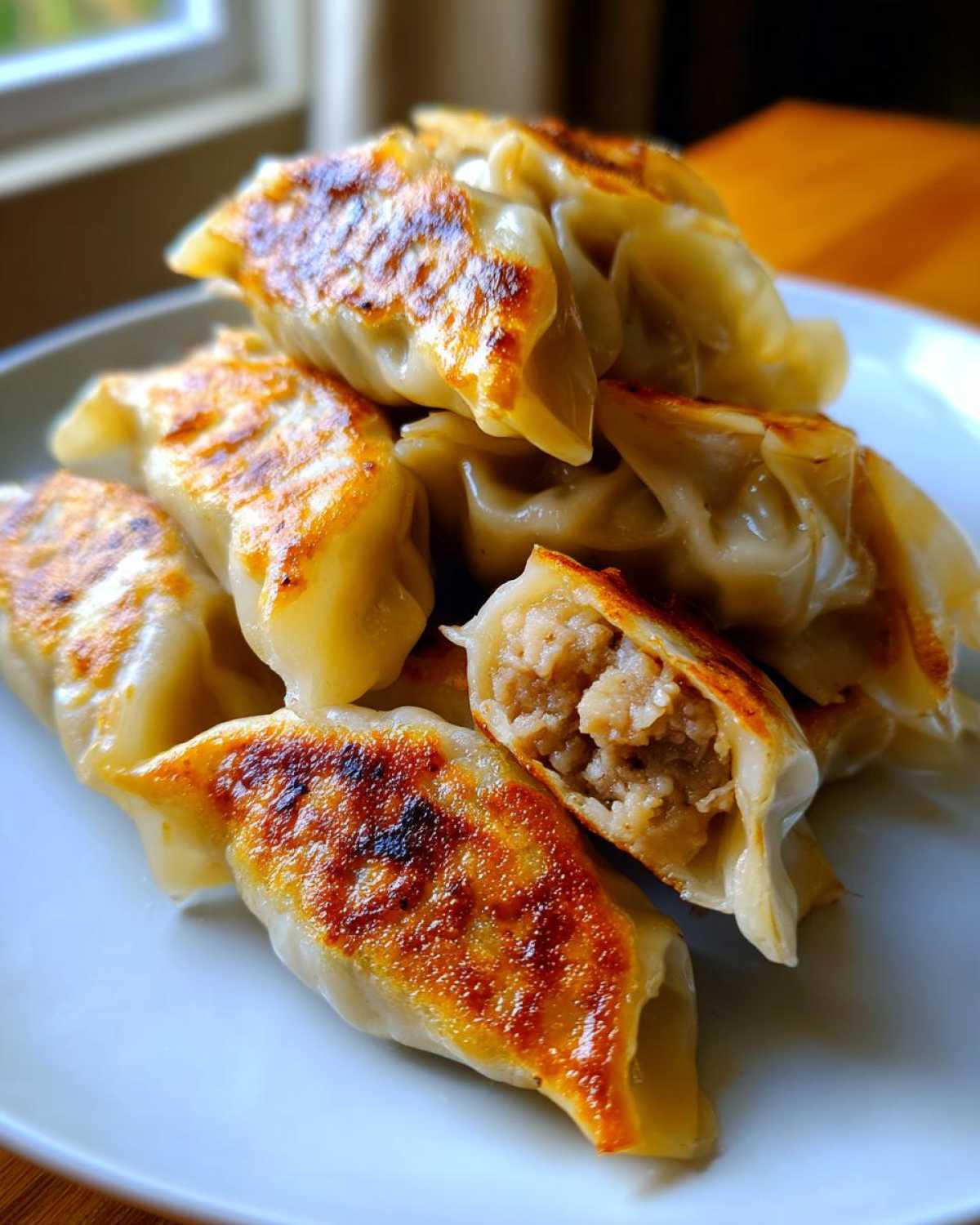
When pan-frying, you start by getting that oil hot enough to crisp the bottoms quickly—we want golden brown, not burnt charcoal! Once they are nicely browned on one side, immediately pour in about a half-cup of water—it will sizzle like crazy, so stand back!—and slap the lid on right away. That immediate steam is what cooks the pork filling all the way through before your bottoms turn into hockey pucks. Lift the lid once the water evaporates, let the bottoms crisp up again for just a moment, and you’ve got Perfect Pan Fried Dumplings!
The Classic Chinese Dumpling Dipping Sauce
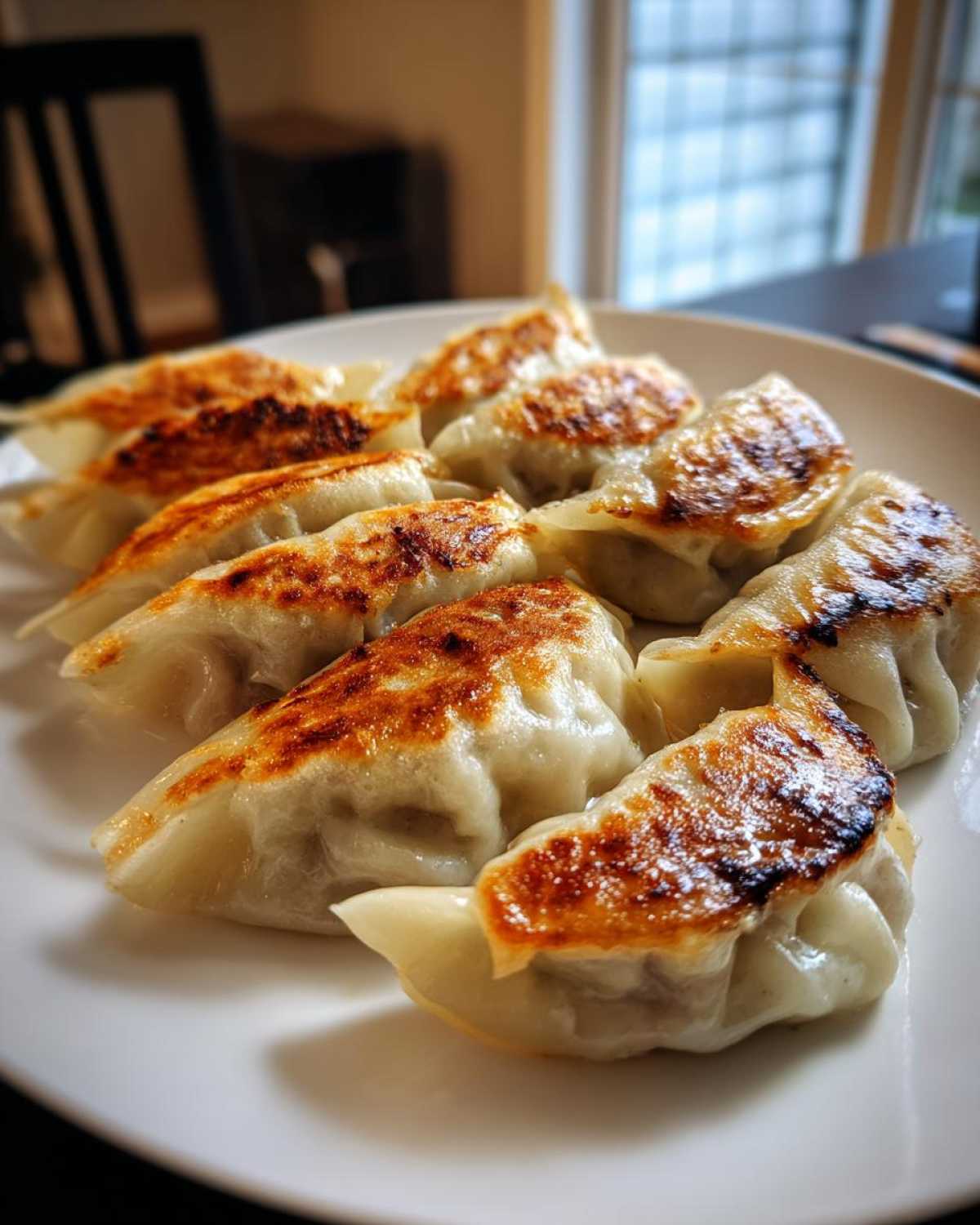
Seriously, what is a dumpling without its perfect companion? This sauce takes literally two minutes to throw together, and it elevates everything. We’re keeping this simple because the filling is already doing the heavy lifting. For the best flavor balance in your Traditional Chinese Dumplings, just whisk together three tablespoons of soy sauce with one tablespoon of rice vinegar. That’s the base!
Then, add just one tiny teaspoon of sesame oil—don’t overdo that part, it’s strong! If you like a little kick, throw in some chili flakes or a dash of chili oil. Taste it, adjust, and boom! You’ve got the Classic Chinese Dumpling Dipping Sauce ready for dipping. It’s so satisfying seeing how easy it is to make something taste professional.
Frequently Asked Questions About Traditional Chinese Dumplings
We know you probably have a few lingering questions after tackling dough and pleating! That’s totally normal. Chloe and I always had a million questions before we felt confident about the process. Here are the few things we get asked most often about making these wonderful Traditional Chinese Dumplings—especially when serving them for a big event like Chinese New Year!
Can I use store-bought wrappers for Traditional Chinese Dumplings?
Look, if you are in a real pinch, yes, you absolutely can use them! It saves a ton of time. However, I have to be honest: making your own dough for Traditional Chinese Dumplings gives you that superior texture. The homemade wrappers absorb less water and have a better chew. If you buy them, aim for the round, thin style labeled for potstickers or Jiaozi, not the thicker wonton skins.
How do I prevent my Traditional Chinese Dumplings from sticking?
This is a big one! We mention keeping the unused wrappers covered with a damp cloth above, but you need surface protection too. Everything that touches the raw dumplings—your work surface, your cutting board, the tray you set them on—needs a very light dusting of flour, not too much though! Also, never let finished, uncooked dumplings touch each other, or they will weld themselves together. We freeze ours separated on parchment paper first to avoid this!
If you are looking for some other easy-prep meals for busy nights once you finish making these, check out how we handle shredded meat in our slow cooker pulled chicken recipe!
Storing and Reheating Your Homemade Jiaozi
So, you made forty glorious dumplings and now you’re full. I totally get it! The good news is that we always make extra just so we can freeze them for a super-fast future meal. This is where those E-E-A-T skills really shine because proper storage means perfect results later. If you have any uncooked ones left, line a baking sheet with parchment paper—and I mean *really* cover it. Lay your assembled Homemade Jiaozi Instructions out so they aren’t touching cheeks, and flash freeze them until they are rock solid. Once they’re iced over, you can toss them right into a big freezer bag. Don’t thaw them first when it’s time to cook!
For reheating, skip the microwave if you can! That dries them out instantly. The absolute best way to bring frozen dumplings back to life is pure steam. Just toss them straight into a steamer basket over simmering water for about 10 to 12 minutes, or until they are steaming hot all the way through. If you decided to pan-fry them earlier, you can reheat those leftovers the same way: steam them first, then quickly crisp the bottoms in a hot, oiled pan for 30 seconds!
Understanding the Nutrition of These Chinese Dumplings
Okay, I know that when you’re elbow-deep in homemade dough and savory pork filling, nutrition might be the last thing on your mind, but I think it’s important to know what we’re eating! We pulled together the best guesses for what’s in these Traditional Chinese Dumplings, based on our recipe quantities. Please remember, Chloe and I are cooks, not certified dietitians, so these numbers are rough estimates.
The serving size we calculated is for about five dumplings total. We tried to balance that rich pork with plenty of cabbage, so it’s not as heavy as some other versions out there. We use medium-fat pork, which gives us a bit of fat for flavor, so that’s where those numbers come from! If you swap out the pork for chicken breast or use much less oil when pan-frying, you’ll see those numbers shift!
If you are looking for more detailed information on how we handle all our recipe disclaimers, you can always check out the fine print on our official disclaimer page.
- Serving Size: 5 dumplings
- Calories: Roughly 250
- Fat: 12g (with 4g saturated fat—hello, deliciousness!)
- Carbohydrates: 20g
- Protein: A solid 16g per serving!
Honestly, for something this satisfying and homemade, I think 250 calories is a huge win. Enjoy them guilt-free!
Share Your Culinary Success with Us
Alright, now that your kitchen smells incredible—and I mean, that combination of ginger, sesame oil, and simmering pork is just the best, right?—it’s time for the fun part! Don’t keep this amazing feat of home cooking a secret! We truly want to see what you created. Did you go for the crispy, golden bottoms of the potstickers, or did you stick to the soft, traditional boiled Traditional Chinese Dumplings?
If you followed along with our Authentic Chinese Dumpling Recipe and it turned out perfectly, please do us a huge favor and leave a five-star rating right down below! Those ratings really help other folks who are nervous about tackling their first batch of Jiaozi see that they can totally master this technique.
And seriously, if you snapped a photo of your beautiful folded creations or your glorious dipping sauce spread, tag us! We live for seeing your kitchen confidence grow. We’re over on all the socials, and we absolutely cheer you on. Making these together, even when we’re miles apart, is what Cookery Kings is all about. We’re so happy you bravely tried making Traditional Chinese Dumplings from scratch!
Happy cooking and eat well!
Warmly,
Chloe & Mia
PrintAuthentic Pork and Napa Cabbage Jiaozi: Your Step-by-Step Guide to Traditional Chinese Dumplings
Learn how to make perfect, traditional Chinese dumplings (Jiaozi) from scratch, covering dough preparation, savory pork and cabbage filling, classic folding techniques, and methods for boiling or pan-frying.
- Prep Time: 45 min
- Cook Time: 15 min
- Total Time: 60 min
- Yield: About 40 dumplings
- Category: Main Course
- Method: Boiling/Pan-Frying
- Cuisine: Chinese
- Diet: Low Fat
Ingredients
- 1 3/4 cups all-purpose flour
- 1/2 cup hot water (near boiling)
- 1/4 cup cold water
- 1 pound ground pork (medium fat content)
- 1/2 head Napa cabbage, finely chopped
- 3 green onions, minced
- 1 tablespoon fresh ginger, grated
- 1 tablespoon soy sauce
- 1 teaspoon sesame oil
- 1/2 teaspoon white pepper
- 1/2 teaspoon salt
- 1 tablespoon vegetable oil (for stir-frying filling)
Instructions
- Prepare the Dough: In a large bowl, mix the flour with the hot water until shaggy clumps form. Gradually add the cold water until a rough dough forms. Knead the dough on a lightly floured surface for 8 to 10 minutes until smooth and elastic. Cover the dough with plastic wrap and let it rest at room temperature for at least 30 minutes.
- Prepare the Filling: Blanch the chopped Napa cabbage in boiling water for 1 minute; immediately drain and squeeze out as much water as possible. In a large bowl, combine the ground pork, squeezed cabbage, green onions, ginger, soy sauce, sesame oil, white pepper, and salt. Mix thoroughly in one direction until the mixture becomes sticky and cohesive.
- Shape the Wrappers: Divide the rested dough into four equal pieces. Roll each piece into a long rope about 1 inch thick. Cut the rope into 1-inch pieces. Roll each small piece into a thin circle, about 3 inches in diameter, keeping the edges slightly thinner than the center.
- Fill and Fold: Place about 1 teaspoon of filling in the center of a wrapper. Moisten the edges lightly with water. Fold the wrapper in half to create a half-moon shape. Create small pleats along one edge, pressing firmly to seal the dumpling completely. Practice makes perfect for these authentic potsticker folding techniques.
- Cook the Dumplings: Choose your method: For boiling, drop dumplings into rapidly boiling water. Stir gently so they do not stick. When they float, add 1/2 cup of cold water. Repeat this process two more times. After the third boil, the dumplings are done (about 5-7 minutes total). For pan-frying (potstickers), heat 1 tablespoon of oil in a non-stick skillet over medium-high heat. Place dumplings flat-side down and cook until the bottoms are golden brown. Add 1/2 cup of water, cover immediately, and steam for 6-8 minutes until the water evaporates and the filling is cooked through.
- Make the Dipping Sauce: Whisk together 3 tablespoons of soy sauce, 1 tablespoon of rice vinegar, 1 teaspoon of sesame oil, and a pinch of chili flakes (optional). Serve immediately with your homemade Chinese dumplings.
Notes
- To keep unused wrappers pliable, cover them with a damp cloth while you work on the rest. Do not let the dough dry out.
- For a richer flavor, you can briefly stir-fry the pork filling ingredients in vegetable oil before cooling and wrapping.
- If you want to freeze leftovers, place uncooked dumplings on a parchment-lined baking sheet and freeze until solid before transferring them to a freezer bag.
Nutrition
- Serving Size: 5 dumplings
- Calories: 250
- Sugar: 2
- Sodium: 450
- Fat: 12
- Saturated Fat: 4
- Unsaturated Fat: 8
- Trans Fat: 0
- Carbohydrates: 20
- Fiber: 1
- Protein: 16
- Cholesterol: 55